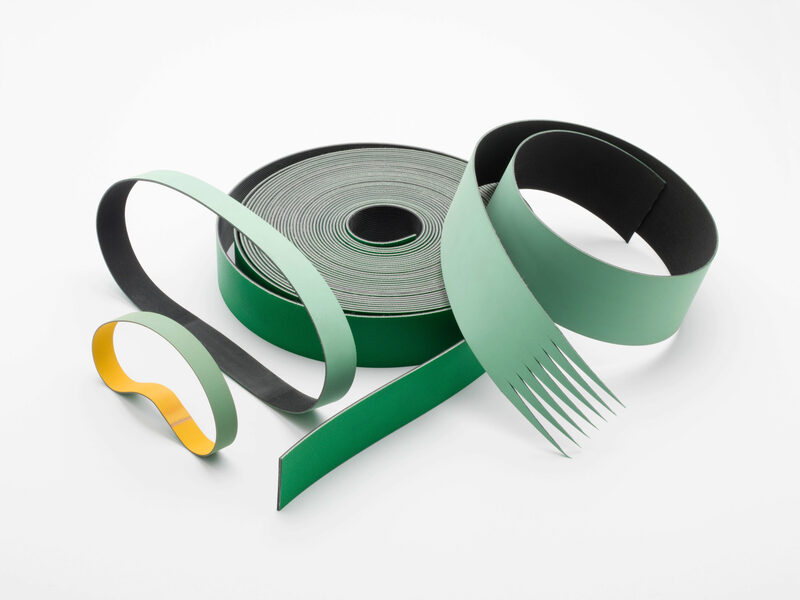
The white silicone coated conveyor belt is a specialized belt used in electroplating lines. It offers elasticity, compression resistance, and resistance to oils, acids, and alkalis. Installed in the upper pressing mechanism and used together with the G10 Mask plating mold, the belt creates a seal around the plating windows, helping prevent chemical solution leakage while the Leadframe moves continuously. This article covers its construction, technical specifications, advantages, and applications.
What Is a White Silicone Coated Conveyor Belt?
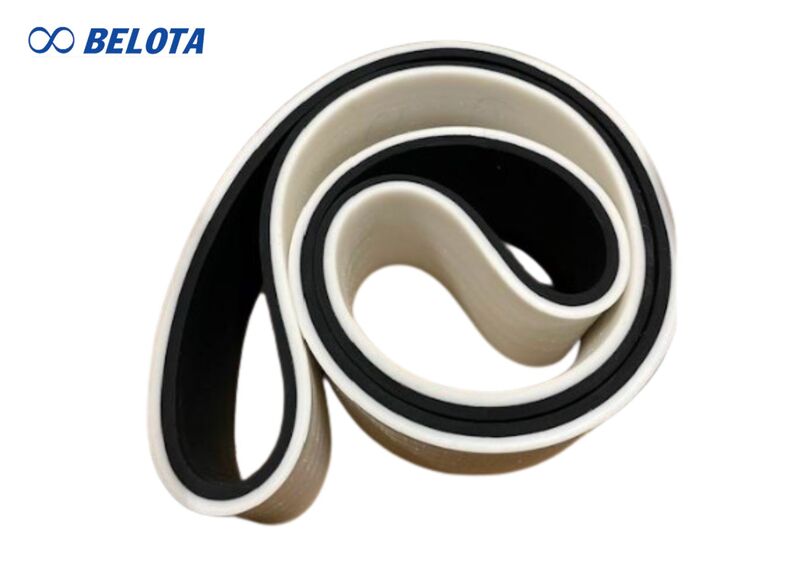
A white silicone coated conveyor belt is designed for electroplating lines. It consists of a Neoprene base layer combined with a soft silicone coating, unlike a silicone conveyor belt made entirely of silicone. The belt is installed in the upper pressing mechanism and works with the plating mold to apply pressure to the material strip. This helps seal the areas around the plating windows and minimize chemical solution leakage during operation.
Thanks to its elasticity, compression resistance, and resistance to oils, acids, and alkalis, the silicone layer maintains close contact with the material surface. Its hardness can be customized within a range of 15 - 40 Shore A to meet different sealing requirements. The belt can also be manufactured to match the dimensions and mechanical configuration of each electroplating line.
Technical Specifications of the White Silicone Coated Conveyor Belt
The belt combines a Neoprene base with a silicone coating. Its thickness and dimensions can be customized according to the equipment's requirements.
- Product name: White Silicone Coated Belt.
- Material: Neoprene combined with silicone.
- Reference construction: 5 mm Neoprene + 5 mm Silicone.
- Sample dimensions: 1,600 × 85 × 10 mm (Length × Width × Thickness).
- Hardness: 15 - 40 Shore A.
- Maximum operating temperature: Approximately 70°C.
- Color: White.
- Standard lengths: 925, 1,050, 1,100, 1,200, 1,460, 2,450, 3,450 and 5,400 mm.
- Width range: 6 - 150 mm.
- Common widths: 50.8 mm, 75 mm and 76.2 mm.
- Standard thickness: 6 mm.
- Other available thicknesses: 4 mm and 10 mm, depending on product construction.
Advantages of White Silicone Coated Conveyor Belts in Electroplating
- Chemical resistance: The silicone coating resists oils, acids, and alkalis, making it suitable for electroplating environments with solutions in the pH range of 4.5–12.5.
- Elasticity and compression resistance: The soft silicone surface deforms under pressure, allowing it to maintain close contact with the material strip and create a seal around the plating windows.
- Stable hardness: Hardness can be customized from 15–40 Shore A. The material maintains its elastic properties during operation, helping control pressing force.
- Reduced plating solution leakage: The silicone surface creates a seal at the contact area with the plating mold, helping reduce chemical solution loss and contamination of surrounding areas.
- Abrasion resistance and reduced peeling: The coating resists abrasion and helps minimize peeling and material debris under compression when used under suitable operating conditions.
- No oil exudation and reduced sticking: The silicone surface does not release oil and offers non-stick properties, helping maintain stable contact during electroplating.
- Custom manufacturing: Length, width, thickness, and hardness can be customized to suit the pressing mechanism and plating mold dimensions of each production line.
Applications of White Silicone Coated Conveyor Belts
White silicone coated conveyor belts are primarily used in electroplating lines. They are installed in the upper pressing mechanism and operate together with the G10 Mask plating mold. Typical applications include:
- Sealing the plating area: Applies pressure to the Leadframe strip to seal the areas surrounding the plating windows.
- Preventing chemical leakage: The soft silicone surface presses closely against the material, reducing electroplating solution loss during production.
- Maintaining consistent pressing pressure: Works with the spring mechanism to adjust pressing force and maintain sealing as the material strip moves continuously.
- Operation in chemical environments: Suitable for areas exposed to acidic or alkaline plating solutions, within the chemical compatibility limits of the silicone material.
Belota Supplies White Silicone Coated Conveyor Belts for Electroplating
Belota supplies specialized white silicone coated conveyor belts for electroplating lines, meeting requirements for elasticity, compression resistance, and chemical resistance during operation. Products can be manufactured to actual equipment dimensions, with customized thickness and hardness ranging from 15–40 Shore A to suit different pressing mechanisms and plating molds.
When choosing this product from Belota, customers receive support with:
- Selecting suitable hardness, thickness, and dimensions for their equipment.
- Custom manufacturing based on samples or specified technical requirements.
- Material recommendations based on chemical exposure and operating temperature.
For technical consultation and quotations for white silicone coated conveyor belts, contact Belota via hotline/Zalo at 0917 657 946 or email info@belota.com.vn.
Conclusion
White silicone coated conveyor belts are a suitable solution for pressing mechanisms in electroplating lines, helping maintain a seal around the plating area and reduce chemical solution leakage. With a Neoprene base and silicone coating, the belt can be customized in size, thickness, and hardness to meet specific equipment requirements. If you are looking for a white silicone coated conveyor belt for your electroplating line, contact Belota via hotline/Zalo at 0917 657 946 for technical advice, material selection, and a quotation based on your actual operating requirements.