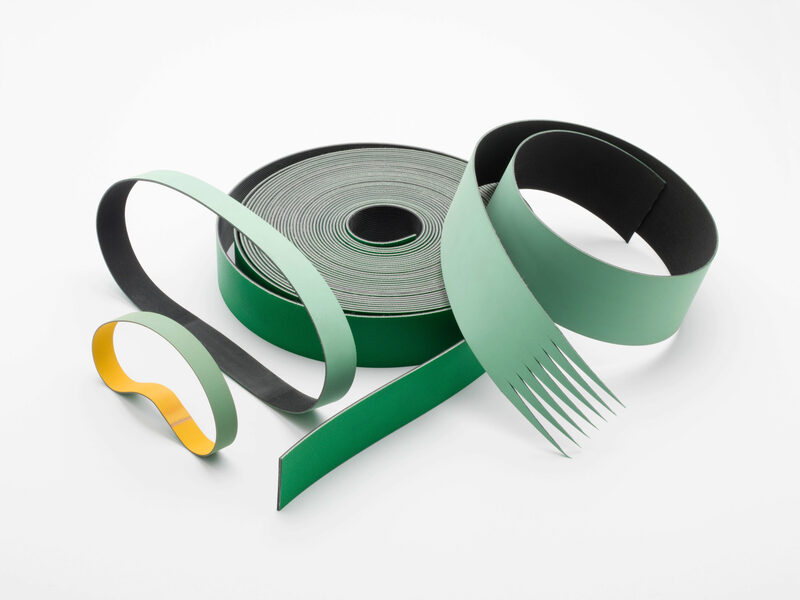
A perforated ironing felt conveyor belt is a specialized conveyor belt designed for industrial rotary ironing tables. It helps keep fabric in place while allowing air and steam to pass through during the ironing process. With its heat-resistant material and soft surface, the belt can also be customized with perforations and guide bars to suit specific machine requirements. In this article, Belota covers its key features, applications, technical specifications, and selection criteria for different industrial ironing machines.
What Is a Perforated Felt Conveyor Belt?
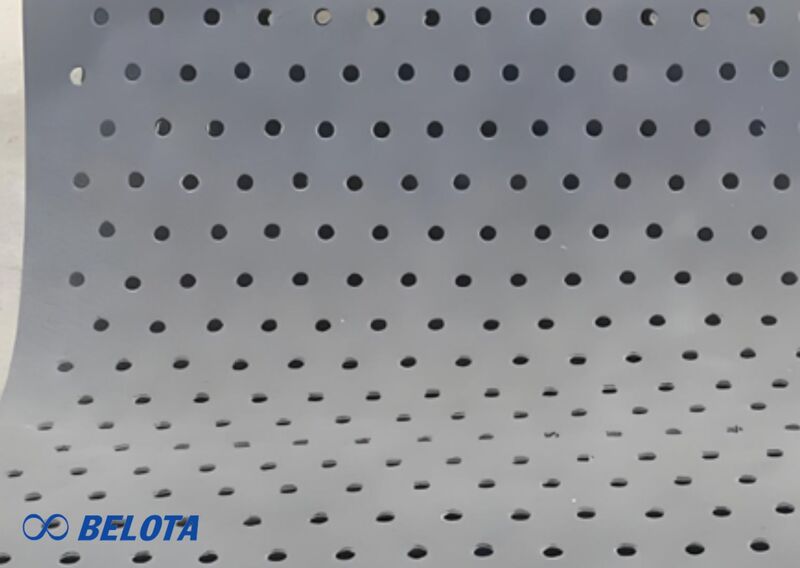
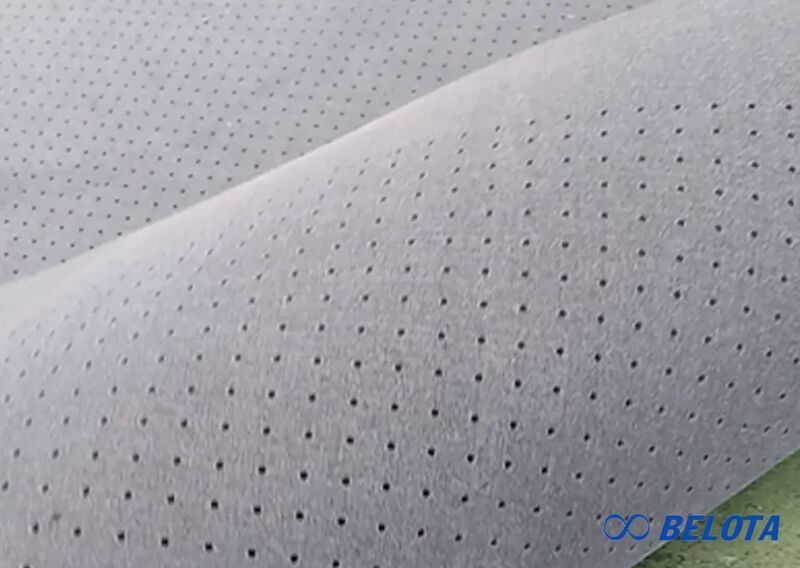
A perforated felt conveyor belt, also known as a rotary ironing table felt belt or heat-resistant ironing felt belt, is a specialized industrial belt made from imported, heat-resistant felt with a uniform fiber structure and a soft surface. Its defining feature is a series of precisely positioned holes created using CNC laser technology.
Technical Specifications of Perforated Felt Conveyor Belts
Material: Imported, thin heat-resistant felt with a uniform fiber structure and a soft surface.
- Heat resistance: Approximately 150°C to over 240°C, depending on the material grade and operating conditions.
- Perforation technology: CNC laser perforation ensures consistent hole spacing, improves airflow, and supports steam extraction.
- Splicing: Specialized joining and vulcanization processes help strengthen the joint and reduce the risk of breakage.
- Belt tracking: Guide bars and positioning systems help maintain stable belt movement and minimize lateral shifting.
- Airflow and suction: Perforations support air circulation, steam removal, and fabric hold-down during ironing.
- Customization: Belt length, width, and construction can be tailored to the requirements of different rotary ironing table models.
Key Advantages of Perforated Felt Conveyor Belts
Compared with conventional felt conveyor belts, perforated felt belts designed for rotary ironing tables offer several potential advantages in heat resistance, airflow, splice durability, and belt tracking.
- Durable splices with reduced risk of breakage: The product uses a third-generation joining process combined with advanced German vulcanization technology. According to the supplied product specifications, this can improve splice strength by up to 83%, helping reduce the risk of joint failure during operation.
- Improved airflow and suction performance: CNC laser perforation creates evenly spaced holes to improve airflow and steam extraction. The supplied specifications indicate an airflow improvement of up to 58%.
- High-quality felt material: Imported, heat-resistant felt with a uniform fiber structure and soft surface helps protect delicate fabrics during ironing.
- Reliable belt tracking: Integrated guide bars and an infrared positioning system help reduce belt misalignment and deformation, supporting more consistent operation and accurate fabric positioning.
- Higher productivity and lower operating costs: On suitable rotary ironing systems, the belt supports continuous fabric handling and more uniform ironing. This can help reduce manual handling and improve productivity in curtain-processing and soft-furnishing workshops.
Common Applications of Perforated Felt Conveyor Belts
- Curtain manufacturing and processing workshops: Used with rotary ironing tables to support 360-degree curtain ironing, helping smooth fabric surfaces and improve the finished appearance.
- Soft furnishings and home textile manufacturing: Suitable for producing sofa covers, tablecloths, bed linen, and decorative textiles. The soft felt surface helps protect delicate fabrics, while the perforations support suction to keep fabric in position during ironing.
- Automatic rotary ironing table systems: Installed on industrial rotary ironing machines to improve airflow, assist steam removal, and support fabric drying. Nomex felt conveyor belts with perforations may be suitable for applications requiring higher heat resistance, subject to the machine's operating temperature and material specifications.
- Textile finishing plants: Help automate fabric-smoothing operations, reduce manual handling, and improve overall production efficiency.
Custom Perforated Felt Conveyor Belt Manufacturing at Belota
Belota provides custom perforated felt conveyor belts manufactured to suit the dimensions and technical requirements of industrial rotary ironing tables. Depending on the operating conditions, the belt can be customized with the following features:
- Guide bar installation: Adds tracking stability and helps prevent the belt from shifting or deforming during operation.
- Custom perforation: Hole patterns and spacing can be tailored to support fabric positioning, suction, airflow, and steam removal.
- Custom dimensions: Belt length, width, and construction can be made to match the machine's specifications.
- Splicing options: A suitable joining method can be selected to provide a secure splice and reliable belt operation.
To determine the right belt configuration, customers should provide the existing belt dimensions, machine model, and operating temperature. Based on these details, Belota can recommend suitable materials and customization options to meet the requirements of the actual production line.
Conclusion
Perforated felt conveyor belts play an important role in maintaining stable operation and consistent performance on industrial ironing lines. When selecting a belt, businesses should consider heat resistance, airflow, splice strength, tracking features, and compatibility with the machine. Belota offers custom perforated felt conveyor belts and technical guidance to help customers choose a suitable configuration for their operating conditions.