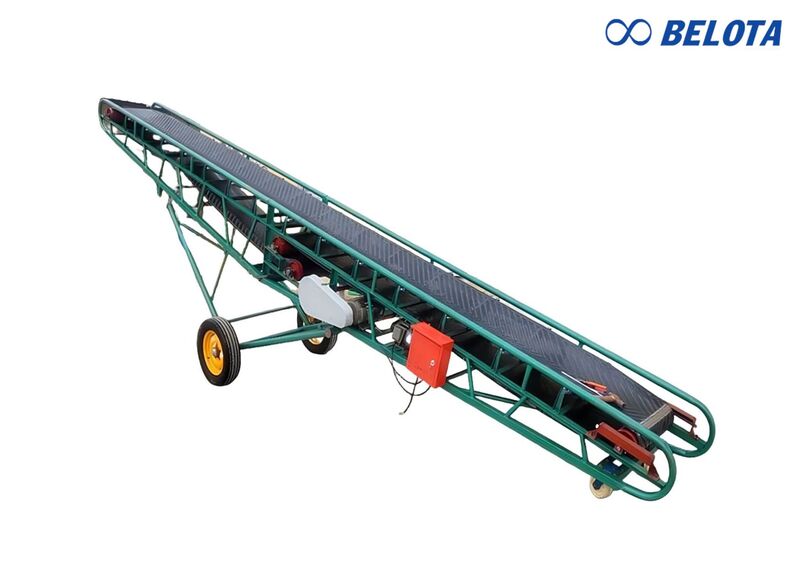
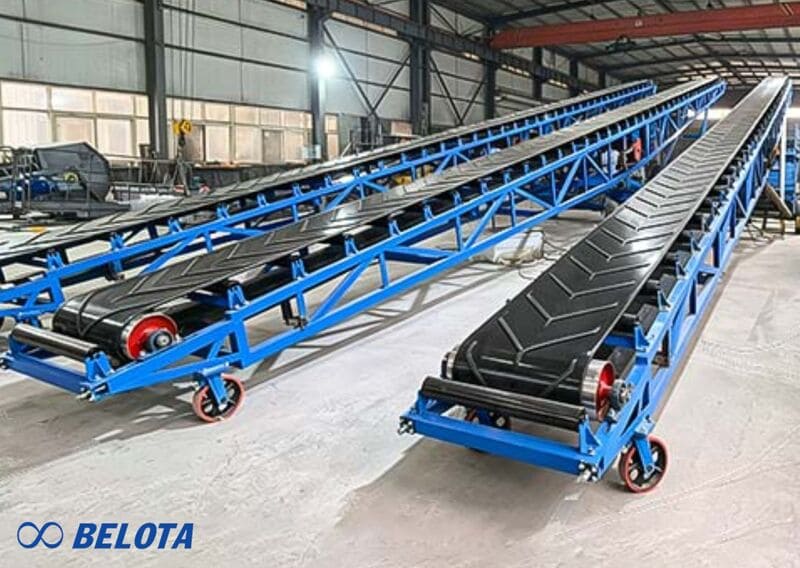
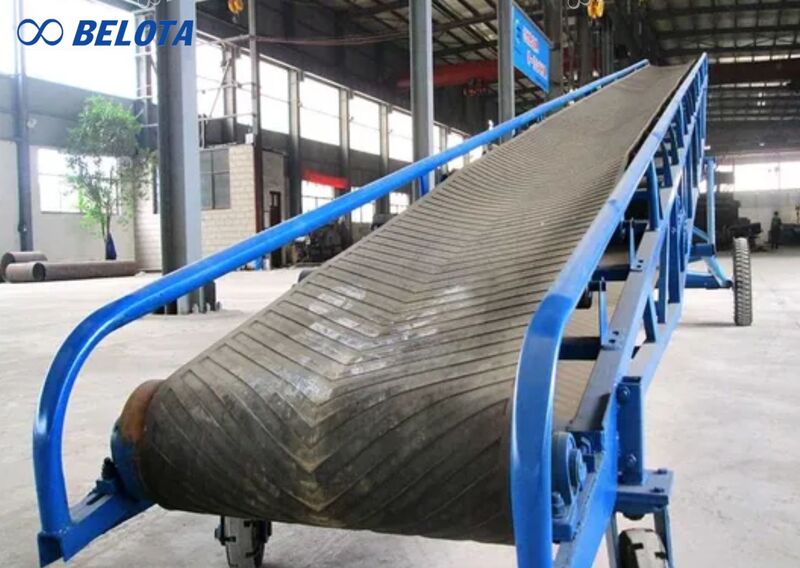
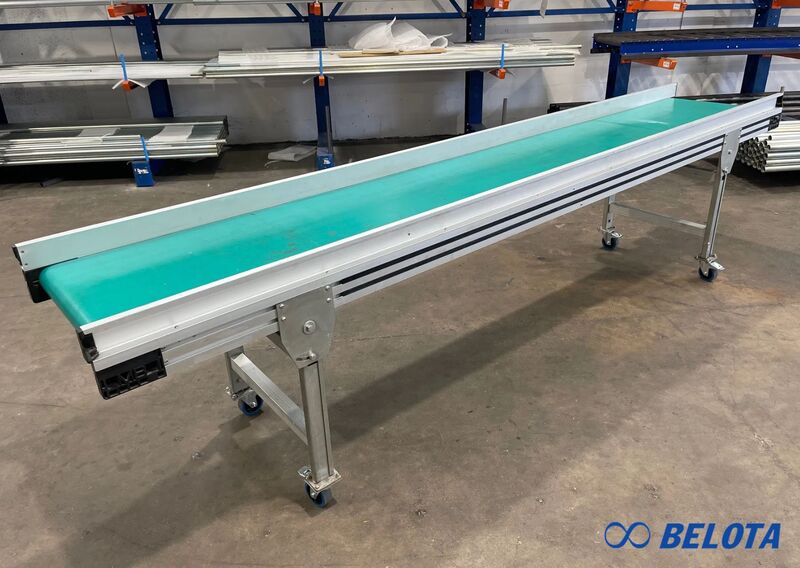
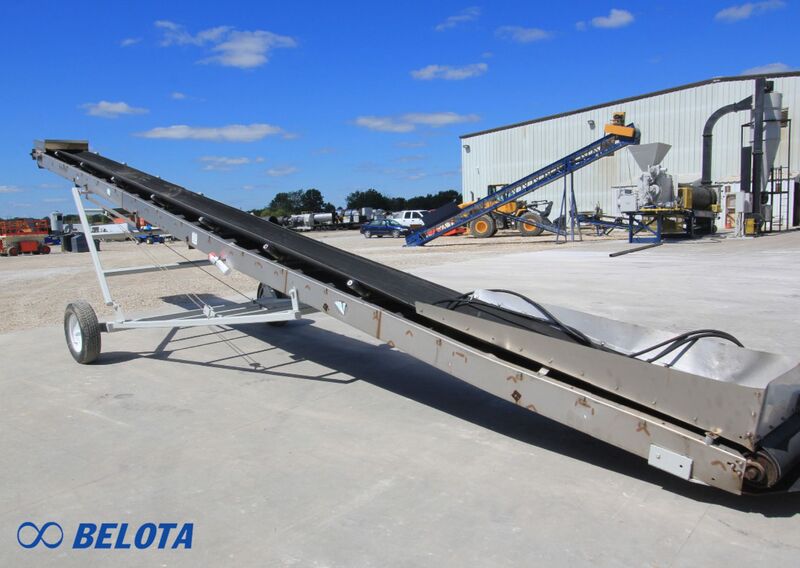
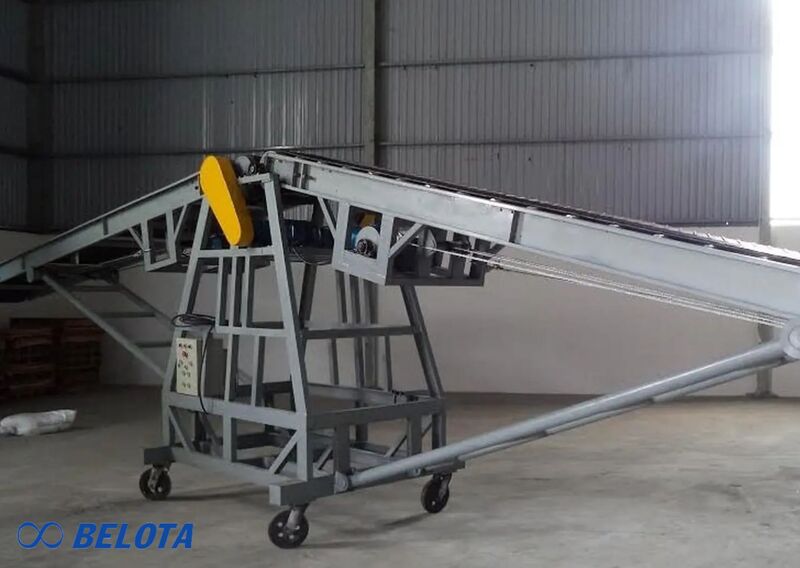
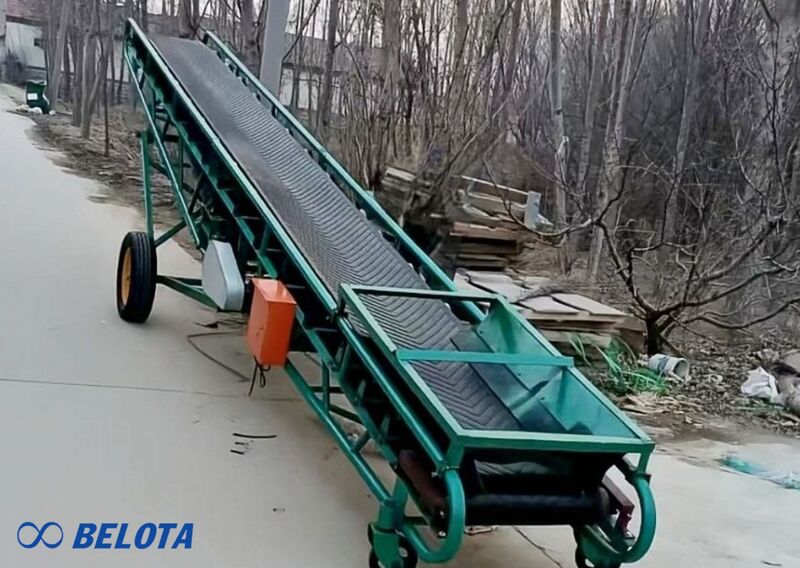
A mobile conveyor is a material-handling solution suitable for factories, warehouses, and loading areas where loading and unloading locations frequently change. Equipped with wheels, the system can be moved between different work areas to support loading goods onto trucks, unloading containers, or connecting production processes. Depending on operational requirements, businesses can choose horizontal mobile conveyors, inclined conveyors, or models with height-adjustment capabilities to optimize space and reduce manual labor.
What Is a Mobile Conveyor?
A mobile conveyor is a material-handling system equipped with wheels or a mobility mechanism, allowing it to be repositioned when necessary. The equipment can use a conveyor belt or a roller system to transport cartons, bags, packages, and certain types of bulk materials.
Compared with fixed conveyors, mobile conveyors offer greater flexibility in areas that serve multiple locations. A single system can be moved to receiving areas, shipping areas, or production lines according to operational requirements.
Depending on the design, a mobile conveyor may incorporate height adjustment, an adjustable incline, or variable length to meet specific loading and material-handling needs.
Structure of a Mobile Conveyor
A mobile conveyor consists of several main components designed to transport goods while allowing the equipment to be moved and securely positioned during operation.
- Conveyor frame: Usually made of painted steel, galvanized steel, stainless steel, or aluminum profiles, depending on the load capacity and operating environment. The frame supports the components and maintains structural stability during operation.
- Conveyor belt or roller system: PVC, PU, or rubber belts, or a roller conveying surface, are selected according to the characteristics of the goods. For bulk materials, the belt must be suitable for the load and conveying angle.
- Motor and drive system: In motor-driven systems, the motor works with a gearbox to generate movement and maintain the required conveying speed.
- Wheels: Installed beneath the frame to allow the equipment to move between work areas. The wheels and locking mechanisms must be suitable for the total load of the system.
- Height-adjustment mechanism: Depending on the design, this may use a hydraulic lifting system, screw mechanism, or other mechanical arrangement to adjust the conveyor height and incline.
- Control and safety components: May include operating switches, emergency stop buttons, wheel locks, support legs, and other necessary protective devices.
Not every mobile conveyor includes all the components listed above. The actual configuration depends on the conveyor type, load capacity, and operating requirements.
Working Principle of a Mobile Conveyor
A mobile conveyor transports goods through the movement of a conveyor belt or roller system. In belt-driven models, the motor transmits power through the drive system to the drive pulley, causing the belt to move goods from the loading end to the discharge end. In roller conveyors, goods move through powered rollers or by pushing force and gravity, depending on the design.
When the equipment needs to be moved to another work area, the operator positions it using the wheel system. Once the conveyor is in place, the wheels must be locked, support legs lowered, or other securing mechanisms engaged according to the design before operation.
For mobile conveyors with a lifting function, the lifting mechanism adjusts the conveyor end to a suitable height for a truck, container, or receiving point. Height adjustments must follow the manufacturer's instructions and remain within the permitted load limits.
Types of Mobile Conveyors
Mobile conveyors are available in various designs. Businesses can classify them by conveying orientation, height-adjustment capability, or conveying surface to select equipment that meets their requirements.
Horizontal Mobile Conveyor
A horizontal mobile conveyor has a conveying surface that remains approximately level. It is suitable for moving cartons, packages, bags, and products between areas within factories or warehouses.
This type is appropriate when the loading and discharge points are at approximately the same height. Its design is generally simpler than that of a lifting conveyor, making it convenient to move and position in different locations.
Height-Adjustable Mobile Conveyor
A height-adjustable mobile conveyor allows one end or part of the system to be raised or lowered, facilitating the movement of goods between locations at different heights.
It is commonly used to load bags, cartons, or packages onto trucks, unload containers, and connect with storage areas. When transporting goods on an incline, the belt must provide sufficient grip to help prevent items from sliding backward.
Inclined Mobile Conveyor
An inclined mobile conveyor is designed to transport goods or materials from a lower position to a higher one, or in the opposite direction. Depending on the material being conveyed, the belt may feature a rough surface, cleats, or sidewalls to improve product retention.
This type of conveyor can be used in agriculture, animal feed production, fertilizer handling, bagging operations, and industrial manufacturing. The inclination angle must be determined according to the material characteristics, load capacity, and belt type.
Butterfly Mobile Conveyor
A butterfly mobile conveyor typically features a structure that allows the height at both ends to be adjusted or the working position to be changed as required. This design is suitable for certain bulk-material handling applications, agricultural products, and goods that need to be distributed to multiple locations.
Depending on the configuration, the equipment may incorporate wheels, a lifting mechanism, and a belt suited to the material being transported. When selecting a model, businesses should check the load capacity, lifting range, and frame stability.
Mobile Roller Conveyor
A mobile roller conveyor uses a series of rollers mounted on a frame to facilitate the movement of cartons, trays, or packages with relatively flat and rigid bases.
Some models are expandable, allowing the conveyor length to be adjusted or the system to curve to suit the available workspace. Roller conveyors may be powered by a motor or operate by gravity, depending on their construction and intended application.
Advantages of Mobile Conveyors
Mobile conveyors help businesses manage material handling more flexibly, particularly in areas where loading and unloading locations change frequently.
- Flexible positioning: The equipment can be moved between work areas, eliminating the need to install a separate fixed conveyor line at every location.
- Support for loading and unloading: Helps transfer goods onto trucks, unload containers, or move products between warehouse and logistics areas more conveniently.
- Reduced manual labor: Reduces the need for manual lifting and carrying, especially in operations involving large volumes of goods.
- Better space utilization: Depending on its size and design, the equipment can be repositioned or moved aside when not in use.
- Integration with existing processes: Can connect with packaging, sorting, warehousing, or production operations.
- Customizable design: Conveyor length, width, height, load capacity, and belt material can be selected according to actual operating conditions.
The effectiveness of a mobile conveyor depends on its design, the type of goods handled, and the equipment layout. Businesses should define their technical requirements clearly to make the most of the system.
Applications of Mobile Conveyors
Thanks to their repositioning capability, mobile conveyors are used across industries that require flexible material handling and loading operations.
- Warehousing and logistics: Transport cartons, packages, and bags in receiving and shipping areas, and support loading onto trucks or into containers.
- Manufacturing plants: Move raw materials, work-in-progress, and finished products between production stages, particularly in areas where the layout changes.
- Agriculture: Transport rice, corn, coffee beans, seeds, and other agricultural products during collection, bagging, or storage.
- Food processing: Transfer trays, ingredient containers, and packaged products between areas, subject to the plant's hygiene requirements.
- Construction materials: Handle selected bulk materials, such as sand and stone, or bagged cement using systems designed for the relevant loads.
- Loading and unloading areas: Transfer goods between warehouses and transport vehicles, helping reduce manual handling time.
Mobile Conveyor Pricing
The price of a mobile conveyor depends on its dimensions, load capacity, belt type, frame material, and additional functions. Systems equipped with lifting mechanisms, height adjustment, variable length, or specialized designs generally cost more than basic configurations.
Factors affecting the price include:
- Overall dimensions and conveying length.
- Load capacity, conveying speed, and motor power.
- Conveyor belt type or roller system.
- Frame material and fabrication requirements.
- Lifting mechanism, wheels, support legs, and control equipment.
- Transportation, installation, and specific technical requirements.
Because each system may have a different configuration, businesses should request a quotation based on their actual specifications rather than relying on a single price for all mobile conveyor types.
Belota - Custom Conveyor Solutions
Belota provides industrial conveyor solutions and accessories, helping businesses select configurations suited to their production and material-handling conditions. For mobile conveyor applications, selecting the appropriate belt type, dimensions, load capacity, and mobility mechanism is essential to developing a suitable solution.
When requesting technical advice, businesses should prepare information such as the type of goods, conveying load, conveyor length, inlet and discharge heights, operating environment, and photos of the installation area. These details provide a basis for discussing the technical design, materials, and estimated costs.
Conclusion
A mobile conveyor enables flexible material handling in factories, warehouses, and loading areas. Depending on operational requirements, businesses can choose horizontal, height-adjustable, inclined, butterfly, or mobile roller conveyors. To ensure stable and safe operation, the load capacity, dimensions, inclination angle, and securing mechanisms must be properly considered. Selecting the right configuration can help streamline material handling and reduce manual labor.