
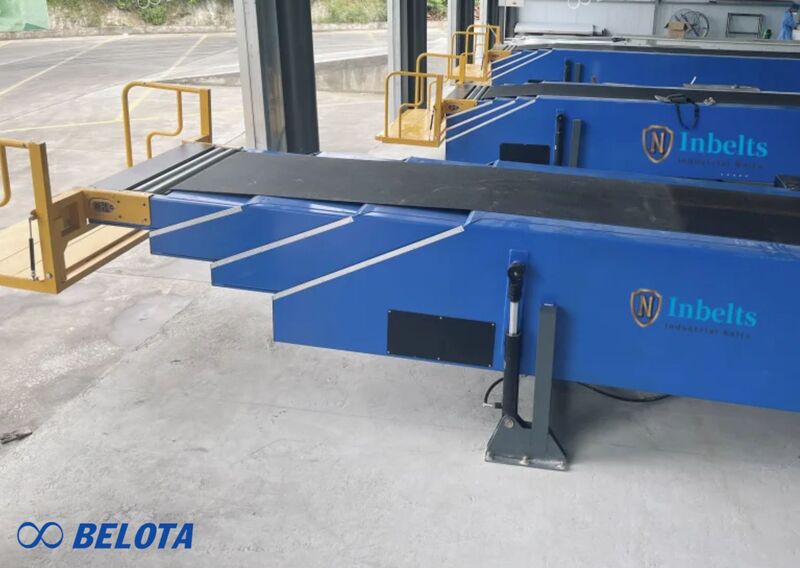
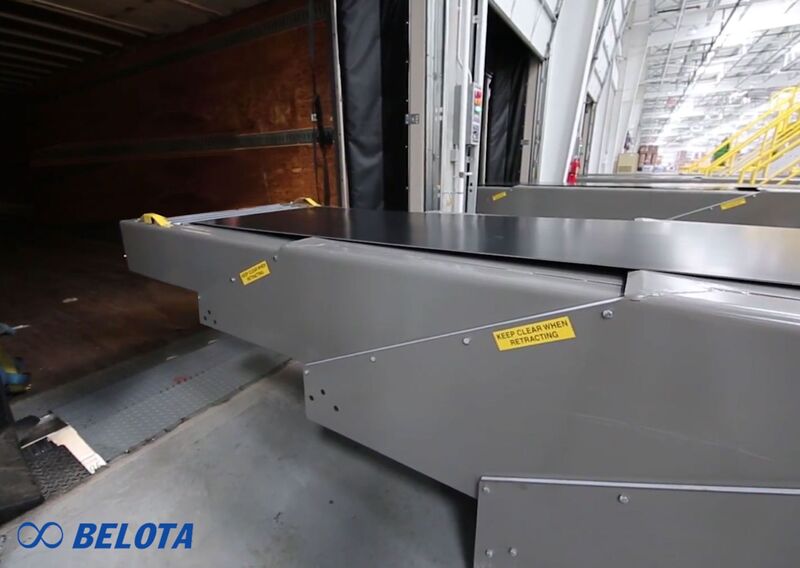
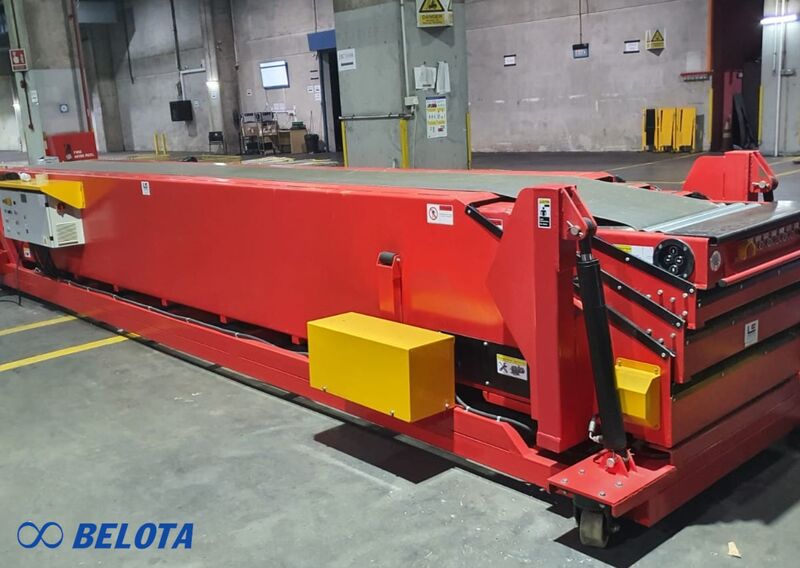
A telescopic conveyor is a type of conveyor belt system that can extend or retract to suit different material handling positions. It is commonly used in warehouses, logistics centers, distribution hubs, and loading and unloading areas for trucks and containers. Thanks to its flexible design, a telescopic conveyor helps move goods deeper into vehicle cargo spaces, reduces the distance workers need to travel, and saves space when the equipment is not in use.
What Is a Telescopic Conveyor?
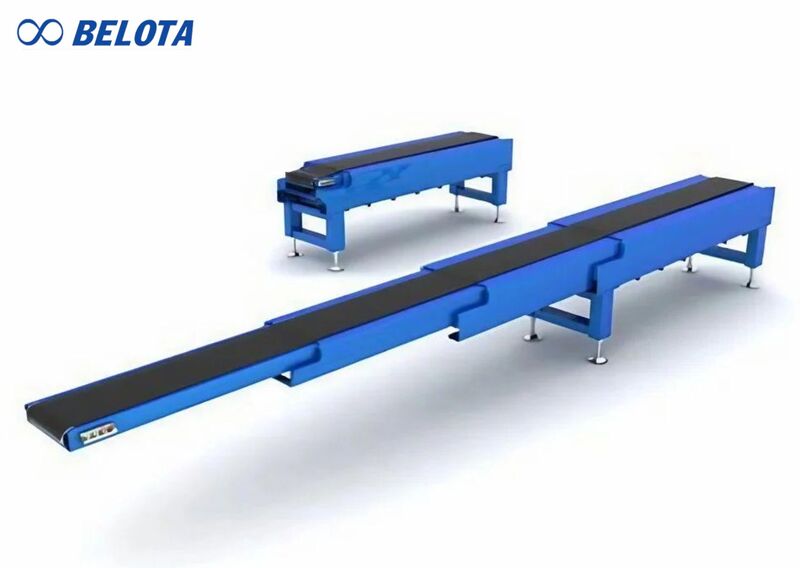
A telescopic conveyor, also known as an extendable conveyor or extendable belt conveyor, features multiple frame sections that slide in and out to adjust the conveyor's length. Operators can extend the conveyor to the required position during loading or unloading and retract it after completing the task to save floor space.
Depending on the design, the conveyor may incorporate a height adjustment mechanism, mobile wheels, and a drive system. Some models are operated manually, while systems designed for higher-volume operations can be equipped with motors for powered conveying.
Benefits of Using a Telescopic Conveyor
Compared with manual loading and unloading, a telescopic conveyor significantly reduces the distance workers need to travel when moving goods into or out of vehicles. This is particularly beneficial for warehouses handling large volumes of goods with frequent inbound and outbound shipments.
The equipment also improves space utilization because it can be retracted after use. When integrated with a lifting mechanism or a suitable control system, a telescopic conveyor can serve multiple working positions without requiring several permanently installed conveyors.
Structure of a Telescopic Conveyor
- Conveyor frame: Designed with nested sections that slide in and out to extend or retract the conveyor. The frame can be made of painted steel, stainless steel, or other materials suitable for the operating environment.
- Conveyor belt: The conveying surface is selected according to the type of products, load requirements, and operating conditions.
- Rollers or belt support mechanism: Supports the conveyor belt and maintains stability during extension, retraction, and material handling.
- Drive system: Transmits power to the conveyor belt to ensure continuous material movement as required.
- Gear motor: Provides the driving force and adjusts the conveying speed to suit the application.
- Wheel system: Allows the equipment to be moved between warehouse doors, shipping areas, and different vehicle loading positions.
- Lifting mechanism (optional): Adjusts the height of the conveyor's front end to facilitate loading goods into or unloading them from trucks and containers.
Key Advantages of a Telescopic Conveyor
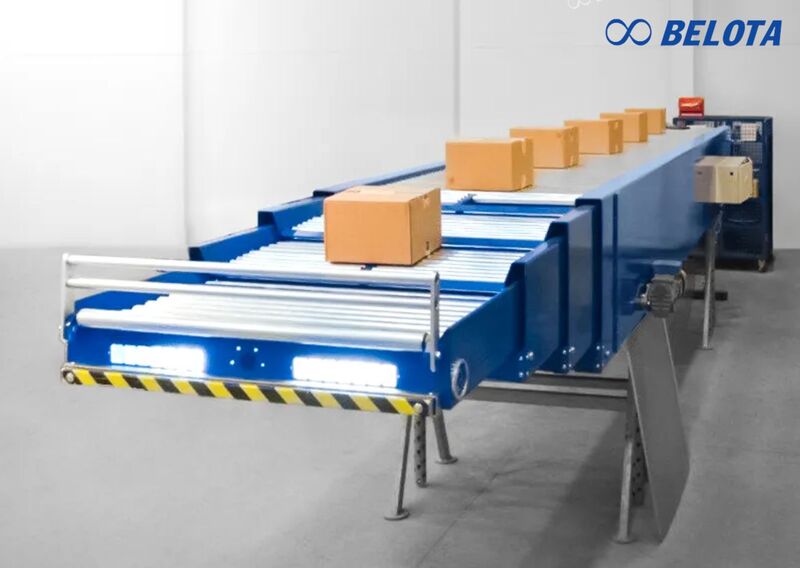
- Flexible extension and retraction: The conveyor can extend to reach deeper into a vehicle and retract when the task is complete. Compared with an expandable roller conveyor, a belt-type telescopic conveyor can offer an advantage when handling packages with uneven or less rigid bottoms, reducing the risk of items catching between rollers.
- Easy mobility: Integrated wheels allow the conveyor to be moved between different work areas without dismantling fixed equipment.
- Space saving: The conveyor can be retracted when not in use, reducing the floor space occupied in warehouses and loading areas.
- Reduced manual handling: Goods can be conveyed directly into or out of vehicles, reducing repetitive carrying and walking by workers.
- Customizable design: Conveyor length, belt width, load capacity, working height, belt type, and drive method can be selected according to actual operating requirements.
Applications of Telescopic Conveyors
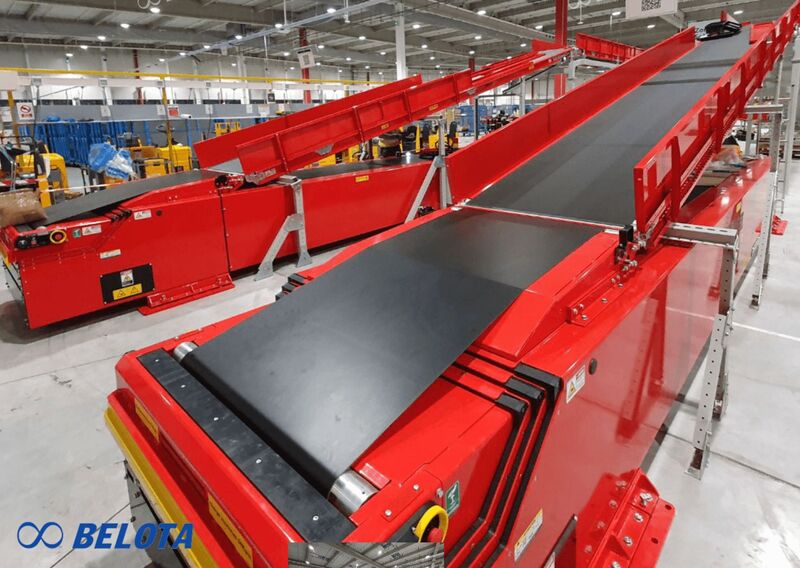
- Truck and container loading and unloading: One of the most common applications. The conveyor extends into the cargo space to move goods deeper into the vehicle and help reduce loading and unloading time.
- Warehouses and logistics centers: Used in receiving, shipping, and sorting areas to handle cartons, packages, parcels, and other packaged goods.
- Parcel sorting centers: Suitable for courier companies and e-commerce fulfillment centers that process large volumes of parcels continuously.
- Manufacturing plants: Transports raw materials, semi-finished products, and finished goods between production, packaging, and storage areas.
- Food and beverage industry: Handles cartons, product trays, and packaged goods. For environments with stringent hygiene requirements, stainless steel structures and suitable conveyor belts can be specified.
- Electronics, garment, and consumer goods industries: Supports the movement of packaged products between inspection, packaging, storage, and shipping operations.
What Types of Telescopic Conveyors Are Available?
Depending on the application, telescopic conveyors can be designed in several configurations.
- Fixed telescopic conveyor: Installed at a designated loading or unloading station where the working position remains relatively consistent.
- Mobile telescopic conveyor: Equipped with wheels for convenient movement between warehouse doors and different loading areas.
- Height-adjustable telescopic conveyor: Allows both conveyor length and front-end height to be adjusted, making it suitable for different vehicle types and floor levels.
- Integrated telescopic conveyor system: Can be combined with inclined conveyors, roller conveyors, or other material handling equipment to form a complete conveying system.
Specifications to Consider When Ordering a Telescopic Conveyor
To select or design a suitable conveyor, businesses should determine the following requirements:
- Retracted length and maximum extended length.
- Conveyor belt width.
- Working height and lifting range.
- Type, dimensions, and weight of the goods.
- Required conveying capacity.
- Desired conveying speed.
- Conveyor belt type.
- Control and drive system.
- Installation space and the positioning of trucks or containers.
- Frame material requirements, such as painted steel or stainless steel.
Belota Designs and Supplies Custom Telescopic Conveyors
Belota provides consultation, design, and supply services for telescopic conveyors tailored to loading and unloading operations in warehouses, factories, logistics centers, and shipping areas. Depending on actual operating conditions, the system can be customized in terms of extension length, belt width, load capacity, lifting height, and drive method to suit different trucks, containers, and available working spaces.
To identify a suitable solution, customers should provide information about the goods being handled, package dimensions and weight, loading frequency, and the required conveyor length. Based on these requirements, Belota can advise on equipment configuration, materials, and installation options to help optimize loading and unloading operations, reduce manual handling, and improve operational efficiency.
Conclusion
A telescopic conveyor is a practical solution for loading and unloading areas that require flexible material handling without relying entirely on fixed conveyor systems. Its ability to extend, retract, and move between working positions helps save space, reduce manual handling, and shorten loading and unloading times. Businesses should select a suitable configuration based on product characteristics, load capacity, vehicle dimensions, and actual operating conditions. Belota provides custom telescopic conveyor design and supply services to help businesses identify suitable solutions for their material handling systems.