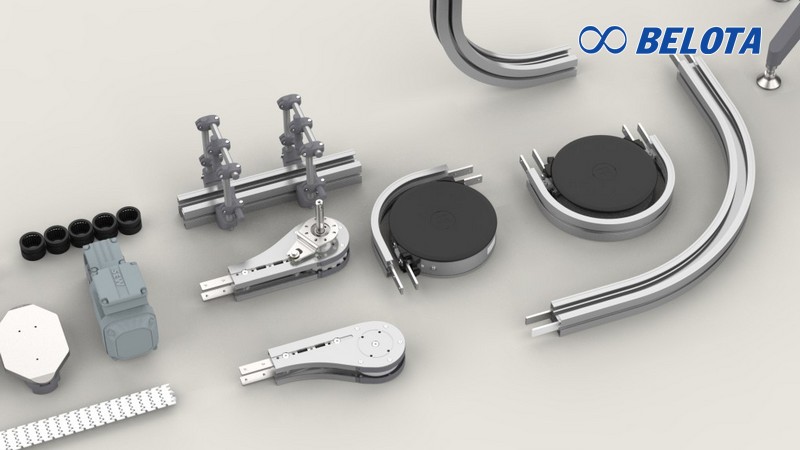


In modern manufacturing, transporting goods between different elevations requires a stable, space-saving, and highly automated solution. Inclined conveyors are specifically designed to move products safely and continuously up or down slopes while optimizing factory floor space. With experience supplying industrial conveyor systems to various industries in Vietnam, Belota provides customized conveyor solutions designed for reliable operation and actual working conditions.
What Is an Inclined Conveyor?
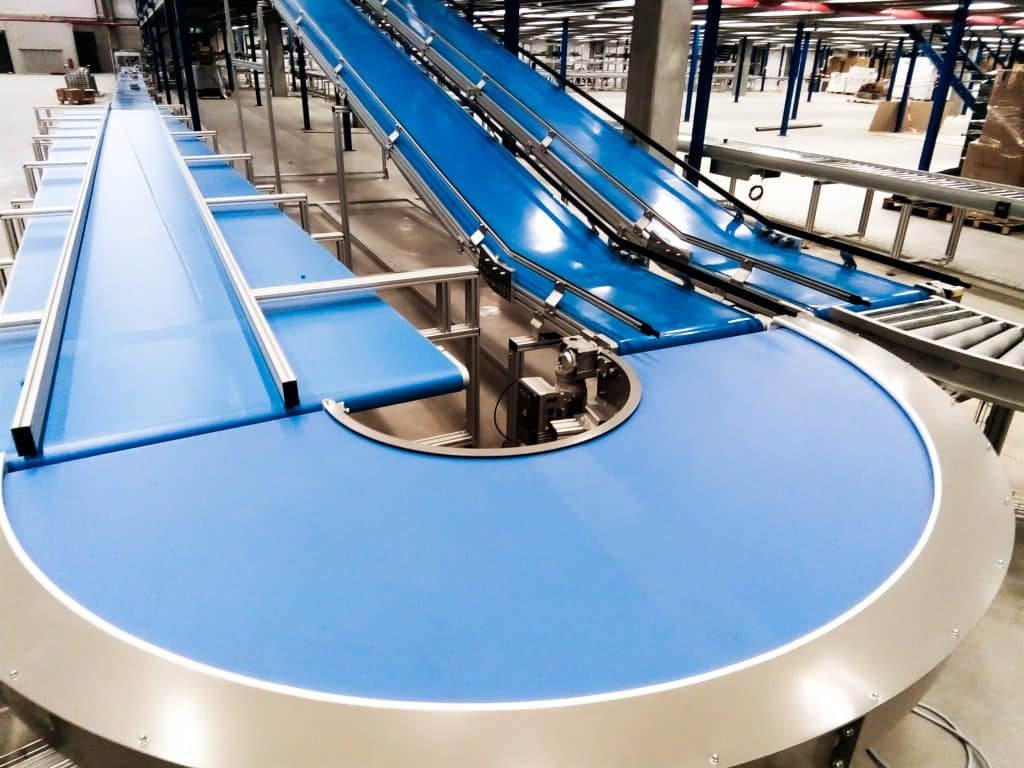
An inclined conveyor is a conveyor system designed to operate at a specific angle relative to a horizontal surface, transporting goods and materials from lower to higher elevations or vice versa. This type of conveyor is commonly used to connect production stages at different heights, supporting material feeding, loading, unloading, and continuous transportation.
Depending on the characteristics of the products being transported, inclined conveyors can use PVC, PU, rubber, or modular plastic belts. Belt surfaces can be customized with textured patterns, chevron profiles, cleats, or sidewalls to improve grip and prevent materials from slipping or spilling during transportation. The inclination angle, conveyor length, and overall structure are designed according to load capacity, product dimensions, and actual operating conditions.
Industrial Inclined Conveyor Components
Inclined conveyors have a structure similar to conventional conveyor systems but are specifically designed for operation on sloped surfaces.
Conveyor Frame
The conveyor frame is typically made of powder-coated steel, stainless steel, or aluminum profiles, providing structural strength and durability. It can be designed with a fixed or adjustable inclination angle to accommodate different load requirements.
Conveyor Belt
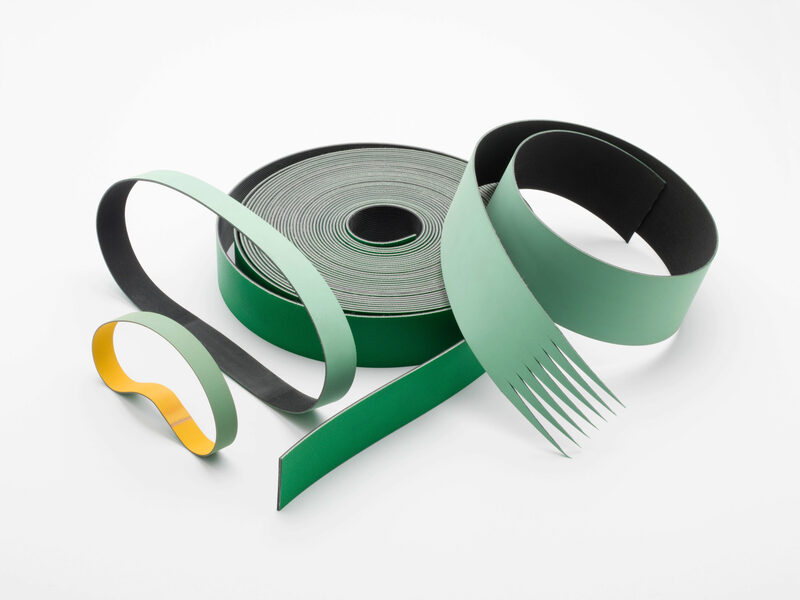
Common belt materials include PVC, PU, and rubber. The belt surface can be customized with chevron patterns, T-cleats, sidewalls, or textured finishes to increase friction and prevent products from sliding during upward transportation.
Roller System
The roller system consists of drive rollers, tail rollers, and supporting rollers. These components support smooth belt movement, maintain proper belt tracking, and contribute to the overall durability of the conveyor system.
Drive System
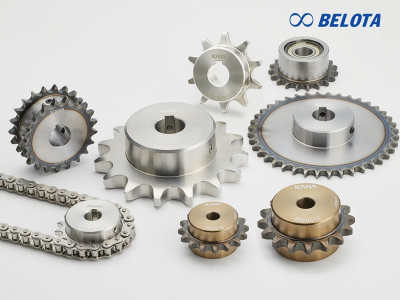
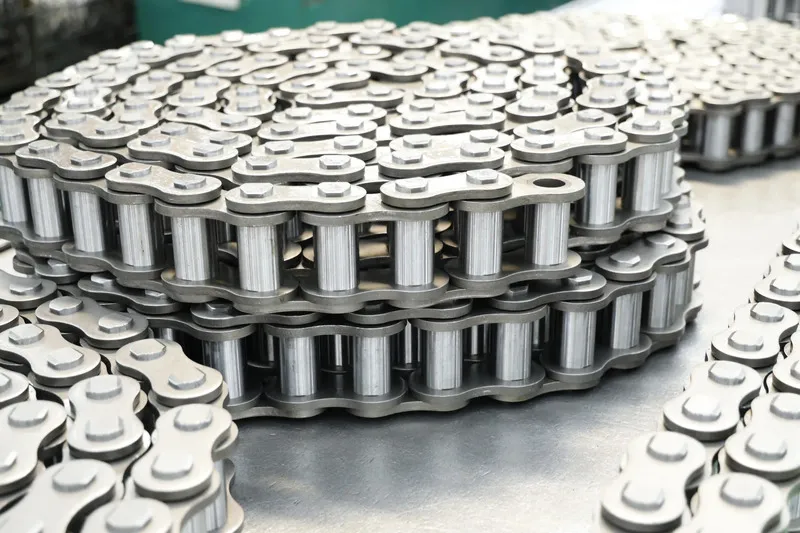
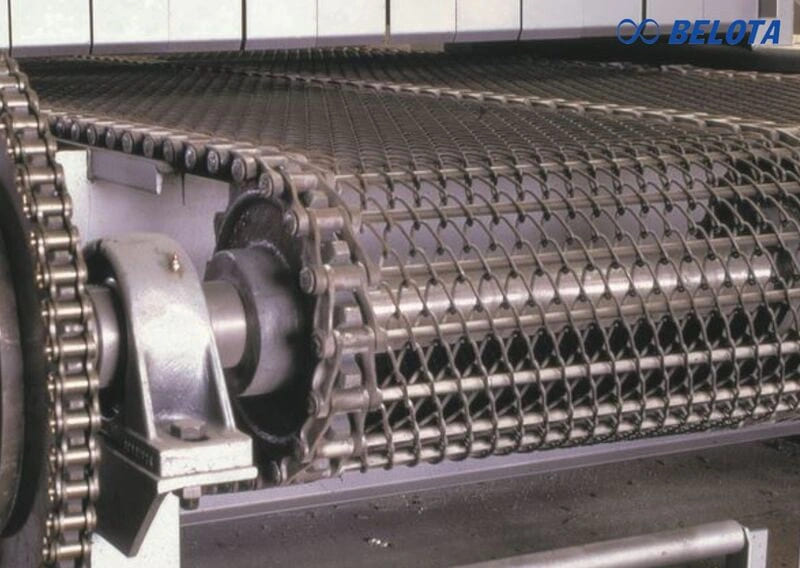
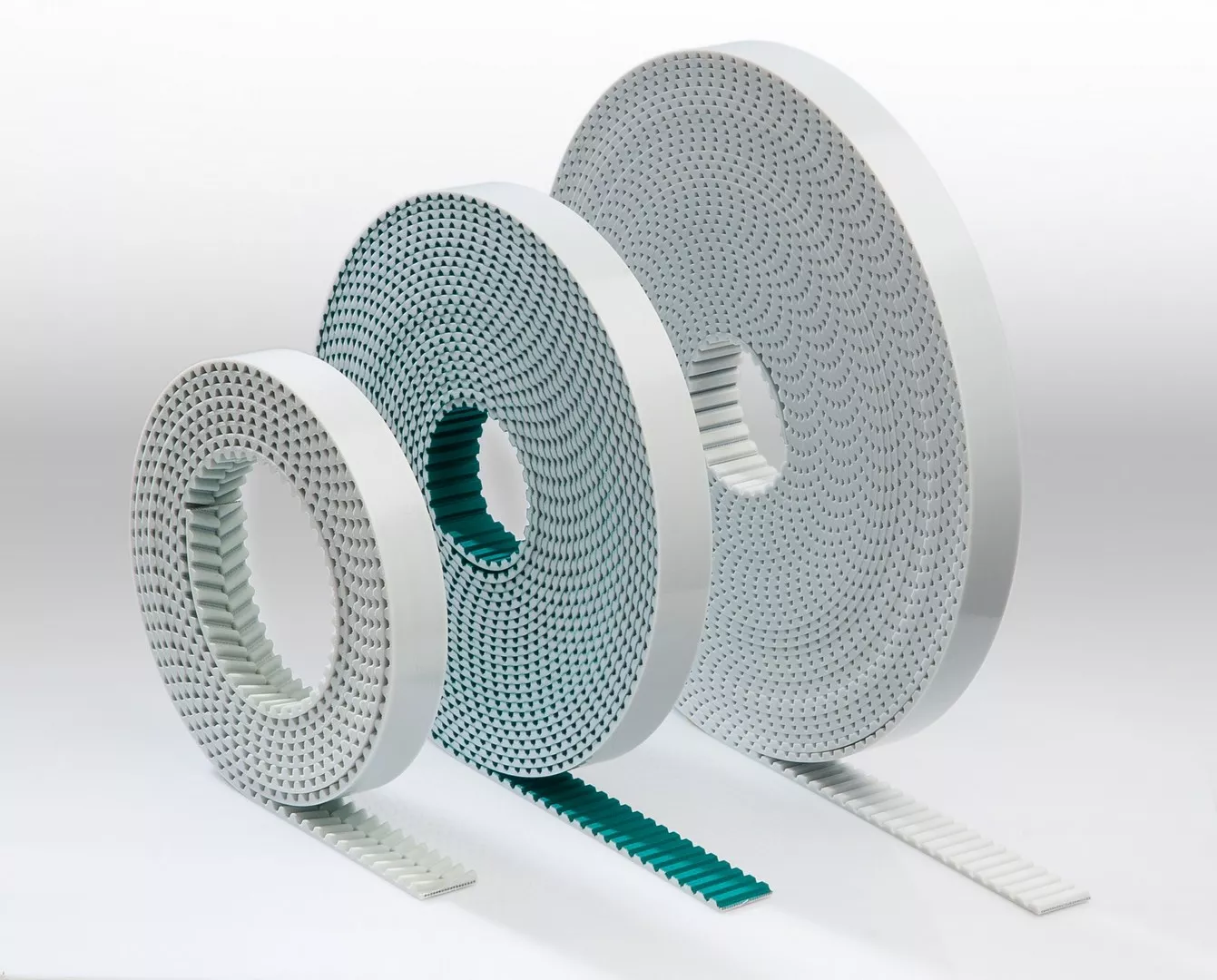
The drive system typically includes an electric motor, gearbox, and chain or belt transmission. Motor power is selected based on the required load capacity and lifting height.
Control System
The conveyor can be equipped with an electrical control cabinet, variable frequency drive (VFD), push buttons, or PLC to regulate operating speed, control conveyor functions, and improve operational safety.
Optional Accessories
Optional accessories include side guards, feeding hoppers, belt scrapers, mobile wheels, and height adjustment mechanisms.
Reference Technical Specifications of Inclined Conveyors
- Frame material: Steel or stainless steel, customized upon request.
- Conveyor belt: Anti-slip PVC, PU, or rubber belt.
- Inclination angle: Designed according to the products being transported.
- Conveyor length and lifting height: Customized to customer requirements.
- Drive motor: Selected according to the required load capacity.
- Speed control: Optional variable frequency drive for flexible operating speed adjustment.
Belota provides customized conveyor design based on technical drawings or on-site factory surveys.
Key Advantages of Inclined Conveyors
- Space optimization: Utilizes vertical factory space and reduces the required floor area.
- Improved transportation efficiency: Automates material lifting and lowering, reducing manual labor and handling time.
- Stable operation: Durable construction supports reliable operation in continuous industrial environments.
- Customizable design: Inclination angle, conveyor length, load capacity, and materials can be tailored to specific applications.
- Improved product safety: Anti-slip belt surfaces, protective side guards, and adjustable speed controls help prevent products from slipping or falling.
Common Types of Inclined Conveyors
Classification by Belt Surface and Material
PVC Inclined Conveyor
Uses PVC conveyor belts with smooth, textured, or patterned surfaces to transport goods between different elevations. This type offers reasonable costs, easy customization, and is commonly used in packaging lines, warehouses, and logistics operations for cartons and light to medium-weight products.
PU Inclined Conveyor
Uses PU conveyor belts with good abrasion resistance, oil resistance, and easy-to-clean surfaces. The belts can be equipped with transverse cleats or tracking guides, making them suitable for food processing, confectionery production, and packaging lines with strict hygiene requirements.
Cleated Inclined Conveyor with Sidewalls
Features transverse cleats combined with sidewalls on both sides to keep materials stable during transportation at steep angles. This design minimizes material rollback and spillage, particularly when handling bulk materials such as plastic pellets, grains, fertilizers, sand, and other granular products.
Modular Plastic Inclined Conveyor
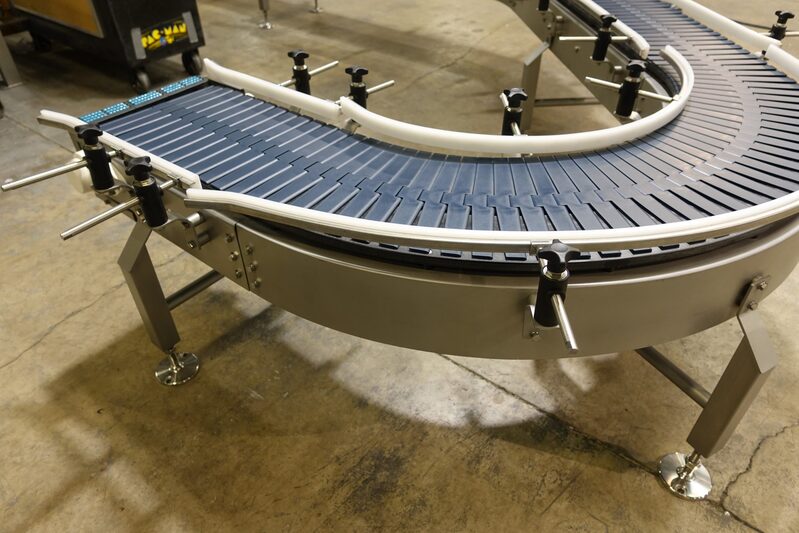
Uses interconnected plastic modules to form the conveying surface, with optional cleats and side guards. The modular construction allows convenient cleaning and replacement of individual modules, making it suitable for wet environments and applications in food processing, seafood, vegetables, and packaging lines.
Classification by Operating Mechanism and Configuration
1. Fixed Inclined Conveyor: Features a predetermined inclination angle and is suitable for production lines with stable operating requirements.
2. Height-Adjustable Inclined Conveyor: Equipped with a height adjustment mechanism, commonly used in loading and unloading areas.
3. Mobile Inclined Conveyor: Equipped with wheels for convenient movement between different working locations.
4. Cleated or Sidewall Inclined Conveyor: Specifically designed for materials that tend to slip or spill during inclined transportation.
5. L-Shaped or Z-Shaped Inclined Conveyor: Combines horizontal and inclined conveyor sections to optimize space utilization.
Applications of Inclined Conveyors in Various Industries
Inclined conveyors are widely used across different industrial sectors:
- Food processing: Transporting vegetables, fruits, confectionery, and seafood between processing and packaging stages.
- Warehousing and logistics: Moving cartons, packages, and parcels between loading areas, unloading zones, and elevated platforms.
- Manufacturing and packaging: Transferring components and semi-finished products between equipment installed at different heights.
- Agriculture: Feeding grains, rice, and seeds into storage hoppers, dryers, or bagging systems.
- Mining and construction: Conveying sand, gravel, coal, ore, and other bulk materials to elevated locations.
These systems are particularly effective for transporting goods between different floor levels, feeding production equipment, and loading or unloading trucks.
Belota - Reliable Inclined Conveyor Supplier in Vietnam
Belota specializes in supplying customized industrial conveyor systems tailored to the practical requirements of manufacturing businesses. We provide comprehensive services, including on-site surveys, engineering design, fabrication, installation, and warranty support. Our inclined conveyor solutions are designed for stable operation, compatibility with actual industrial working conditions in Vietnam, and long-term cost efficiency.