The fish meat separator conveyor belt is an essential component that directly affects the operating efficiency of fish deboning machines used in the seafood processing industry. Made from high-quality rubber, the belt offers good elasticity, abrasion resistance, and a specially textured surface. It helps separate fish meat from bones, skin, and connective tissue efficiently. This conveyor belt is widely used in facilities producing fish paste, fish balls, canned fish, and other processed fish products.
What Is a Fish Meat Separator Conveyor Belt?
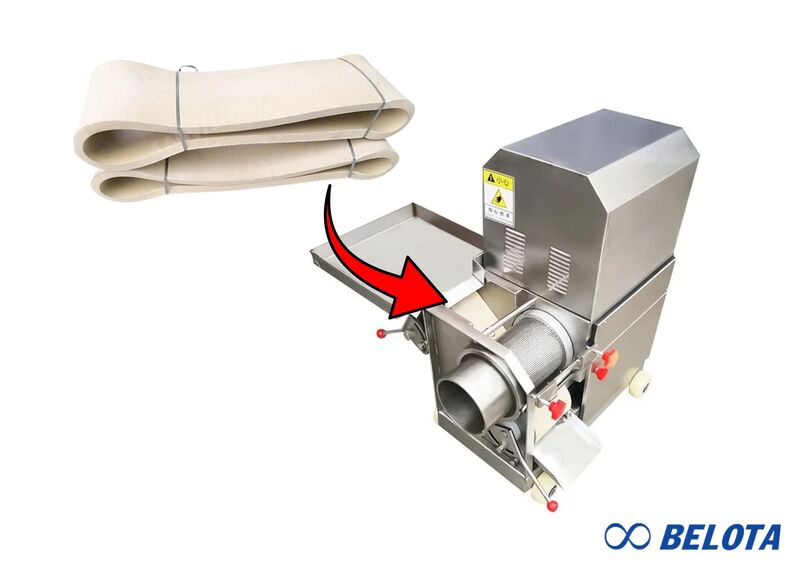
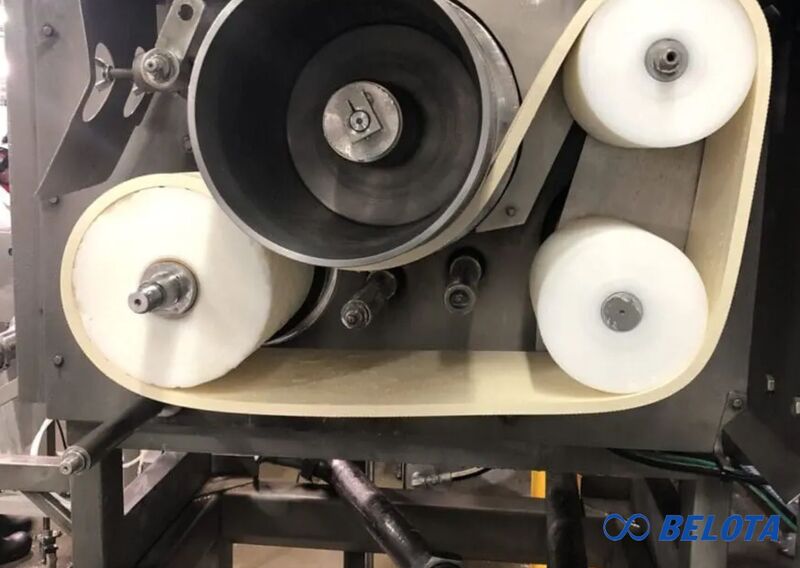
A fish meat separator conveyor belt is a key component of a fish deboning machine. Its primary function is to feed fish material into the separation area between the conveyor belt and the perforated drum or pressing roller.
After the fish has been cleaned, gutted, headed, and pre-processed, it is fed into the machine. The rubber conveyor belt works in coordination with the pressing drum to separate the fish meat from bones, skin, and connective tissue.
The separated fish meat is discharged through a dedicated outlet, while bones are expelled through a separate discharge chute. This process can help achieve fish meat recovery rates of up to 95 - 98%, significantly higher than traditional manual deboning methods.
Construction and Features of a Fish Meat Separator Conveyor Belt
- High-quality rubber material: Made from rubber conveyor belt material with good elasticity and durability, suitable for operating in humid environments and conditions involving salt exposure.
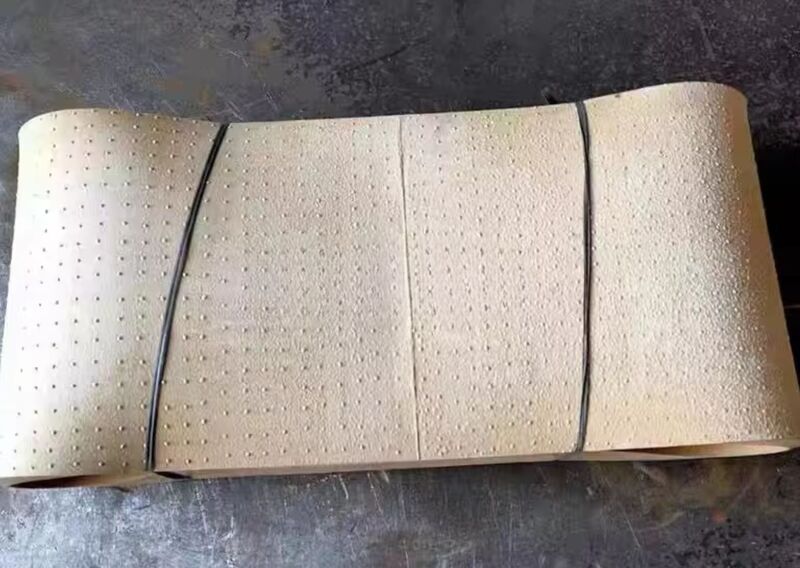
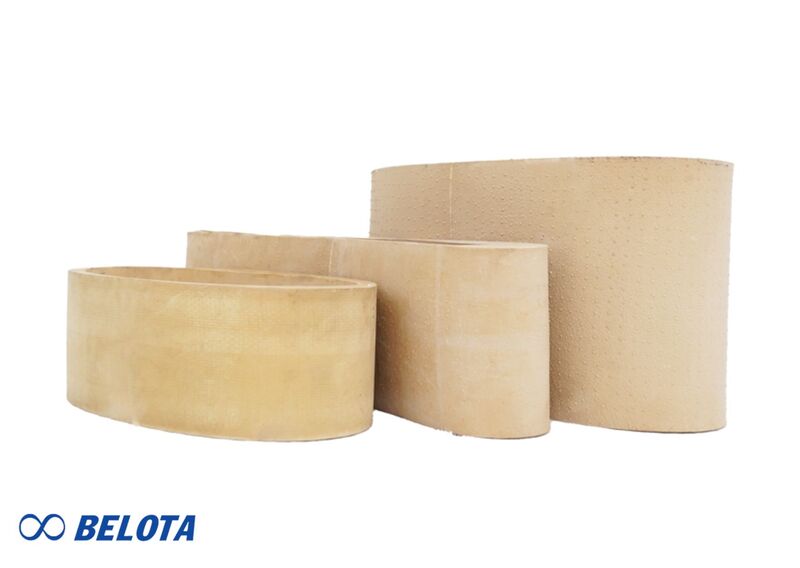
- Special anti-slip surface: The belt features small, evenly spaced circular protrusions arranged in straight lines. This textured surface increases friction and helps maintain stable contact during the fish separation process.
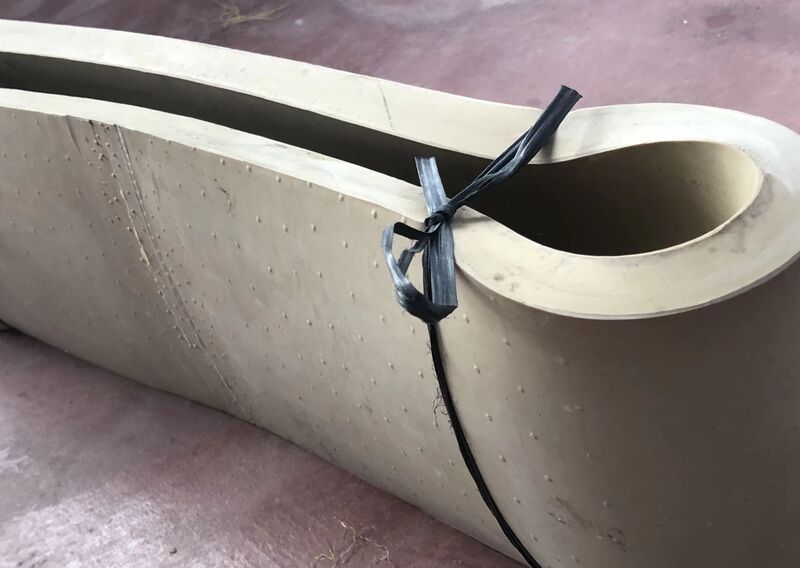
- Heavy-duty thickness: With a thickness ranging from 18mm to 23mm, the belt provides good load-bearing capacity and helps resist deformation during continuous operation.
- Distinctive dark yellow color: Makes the belt easy to identify and facilitates inspection, cleaning, and replacement.
Technical Advantages of Rubber Conveyor Belts for Fish Meat Separators
- Good elasticity: The rubber surface provides suitable flexibility, ensuring stable contact with the pressing drum and supporting the separation of fish meat from bones.
- Suitable friction properties: Provides the necessary grip as fish passes through the separation unit, helping prevent slipping during processing.
- Abrasion resistance: Withstands friction and compression during continuous operation, helping extend the belt's service life.
- Moisture resistance: Suitable for seafood processing environments where the belt is frequently exposed to water and wet raw materials.
- Easy cleaning: The rubber surface is convenient to clean after each production shift, supporting equipment hygiene.
- Custom fabrication: Available in different lengths, widths, and thicknesses to match various fish meat separator models.
Benefits of a Fish Meat Separator Conveyor Belt
- Improved fish deboning efficiency: The belt feeds raw fish into the correct pressing position, supporting continuous and consistent meat separation.
- Reduced labor costs: Compared with manual deboning, using a specialized machine and conveyor belt helps reduce labor requirements and processing time.
- Increased production capacity: The machine can operate continuously with large quantities of raw materials, making it suitable for medium- and large-scale seafood processing facilities.
- Improved food hygiene: The enclosed separation process reduces direct manual handling, helping minimize the risk of contamination during food production.
Technical Specifications of a Fish Meat Separator Conveyor Belt
- Model: Fish meat separator conveyor belt
- Material: Rubber
- Belt Length: 1,195 - 1,450mm
- Belt Width: 155 - 305mm
- Belt Thickness: 20mm
- Weight: Approximately 8kg
Common Sizes of Fish Meat Separator Conveyor Belts
Belota supplies fish meat separator conveyor belts in various common sizes, including:
- 150 model belt: 155 x 18 x 1,200mm
- 200 model belt: 200 x 18 x 1,420mm
- 300 model belt: 304 x 14 x 1,460mm
- Conveyor belt for Type 3 fish meat separator machines
Products are fabricated to the required dimensions, offering good durability and grip for various seafood processing machine models.
Applications of Fish Meat Separator Conveyor Belts
Fish meat separator conveyor belts are widely used in seafood processing facilities, including:
- Fish paste production: Helps separate fish meat efficiently for producing high-quality fish paste.
- Fish ball production: Improves fish meat recovery while helping reduce bone fragments in the separated meat.
- Canned fish processing: Helps remove bones from fish meat before it enters the packaging line.
- Export seafood processing: Supports hygiene requirements and production capacity in industrial seafood processing plants.
Operating and Maintenance Guidelines for Fish Meat Separator Conveyor Belts
- Wet the conveyor belt before operation to reduce friction and help protect the rubber surface from damage.
- Avoid running the machine without a load for extended periods, as this may affect belt durability.
- For fish with backbone sections larger than 2cm, remove the head or fillet the fish before feeding it into the machine to prevent jamming and reduce system load.
- Clean the machine and conveyor belt after each use to remove fish residue and odors, prevent metal components from rusting, and maintain food hygiene.
- Replace the belt when signs of deterioration, cracking, tearing, or reduced grip appear to maintain reliable operating performance.
Why Choose BELOTA for Fish Meat Separator Conveyor Belts?
Belota specializes in supplying rubber conveyor belts for fish meat separator machines. Our products are available in various specifications to suit common machine models on the market.
Belota provides:
- Conveyor belts fabricated to the required dimensions for different machine models.
- Technical consultation to help customers select suitable belt specifications.
- Durable rubber belts with reliable grip for seafood processing applications.
- Competitive pricing directly from the supplier.
- Nationwide delivery support.
Conclusion
The fish meat separator conveyor belt is an important component that helps maintain stable machine operation, improve fish meat recovery, and support consistent product quality in seafood processing. With its durable construction, textured anti-slip surface, and good load-bearing capacity, this belt is suitable for facilities producing fish paste, fish balls, and processed seafood for export. If your business needs to replace or purchase a high-quality rubber conveyor belt for a fish meat separator machine, Belota is ready to provide technical advice and a suitable solution.