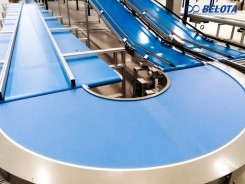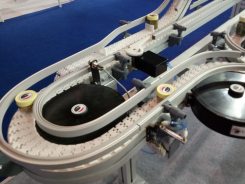
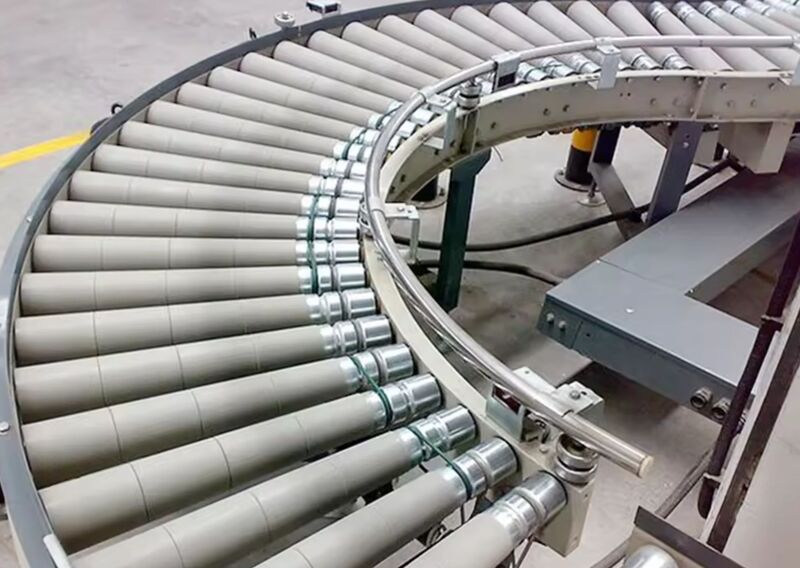
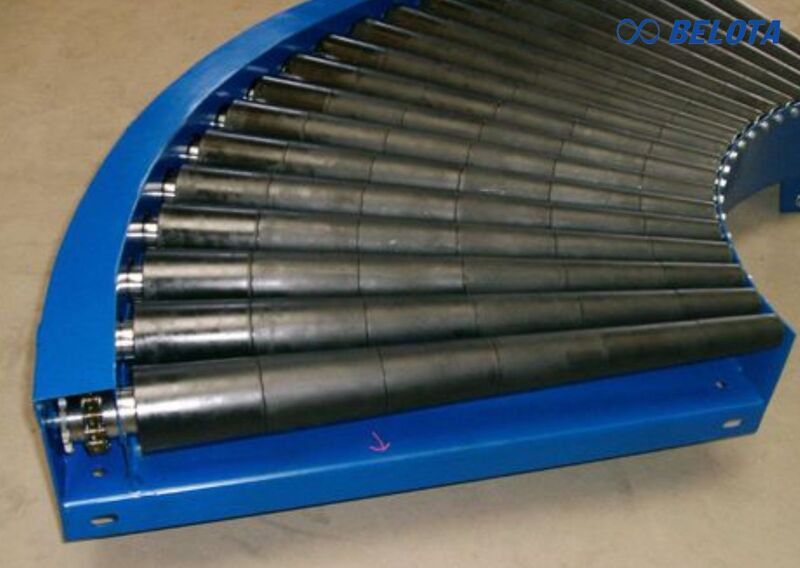
In the world of material handling, the tapered roller, distinctly designed with a diameter that narrows toward one end to form a frustum shape is a game-changer. These specialized components are the backbone of curved conveyor systems, enabling seamless transitions at 45°, 90°, or 180° angles. By optimizing floor space and boosting throughput, tapered rollers ensure that production lines remain agile and efficient. In this article, Belota dives into the advantages of tapered rollers and their vital role in maintaining a steady, uninterrupted flow of goods.
An Overview of Tapered Rollers
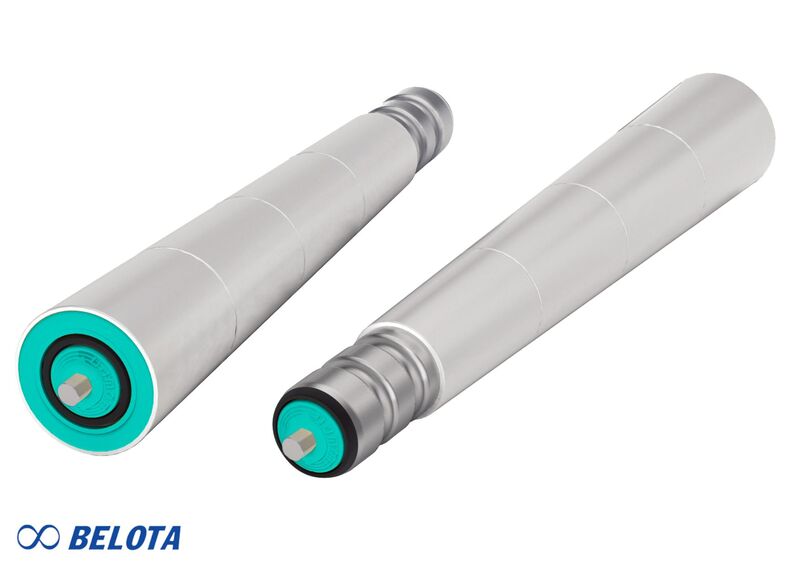
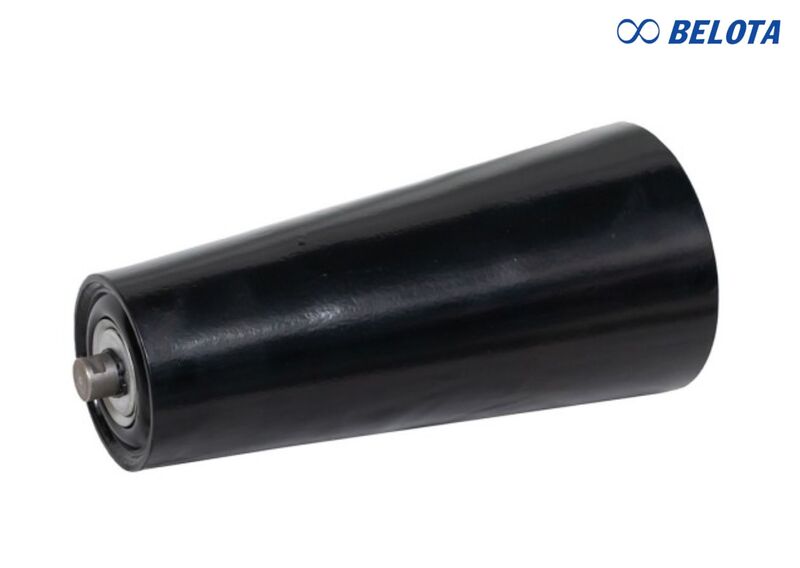
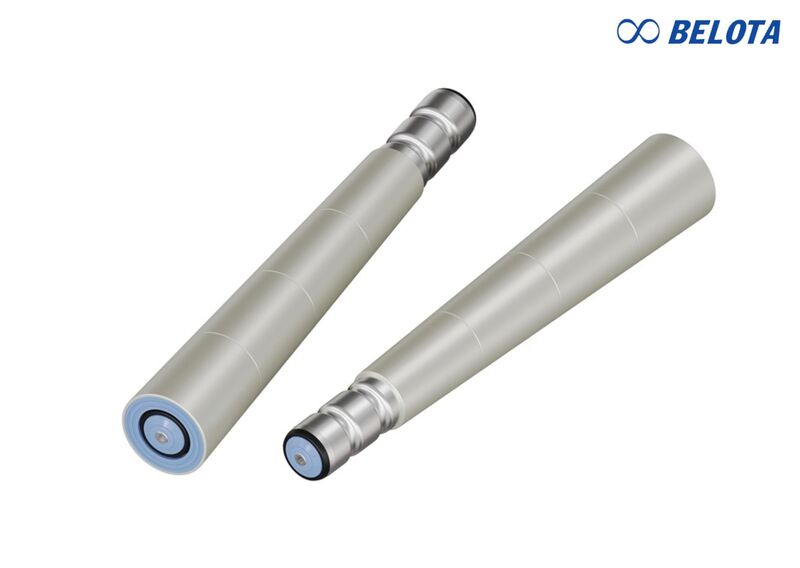
A tapered roller is an industrial roller characterized by a gradually decreasing tube diameter toward one end, forming a truncated cone shape. This specific geometry is engineered primarily for curved conveyor sections, where products must navigate turns with precision and stability.
Depending on the system's blueprint, the degree of taper and the quantity of rollers are calculated based on the conveyor's length, the turning radius, and the specific footprint of the products being moved. In standard applications, diameters typically range from Ø50 to Ø76 mm, with the Ø60 - Ø65 mm range being the "sweet spot" for light-to-medium-duty curved systems.
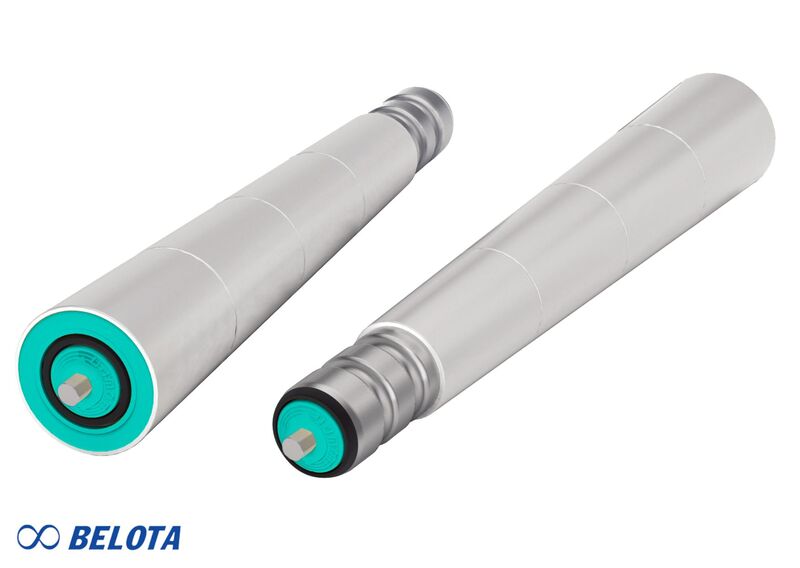
A tapered roller features a characteristic design with a tube diameter that gradually decreases toward one end
Anatomy of a Tapered Roller
Precision is everything. A high-performance tapered roller consists of:
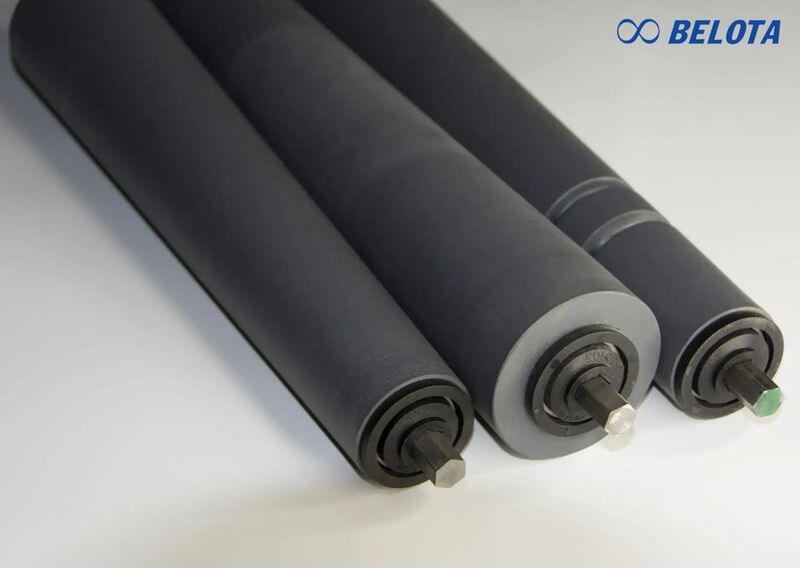
- Roller Body: Crafted into a tapered shape using steel, stainless steel, or high-grade polymers.
- Axle/Shaft: Made from steel or stainless steel, securing the roller to the conveyor frame.
- Bearings: High-quality bearings ensure smooth rotation, minimize friction, and extend service life.
- Dust Seals: Essential for protecting internal components from debris, moisture, and industrial contaminants.
- End Caps: Provide structural integrity and secure the internal assembly.
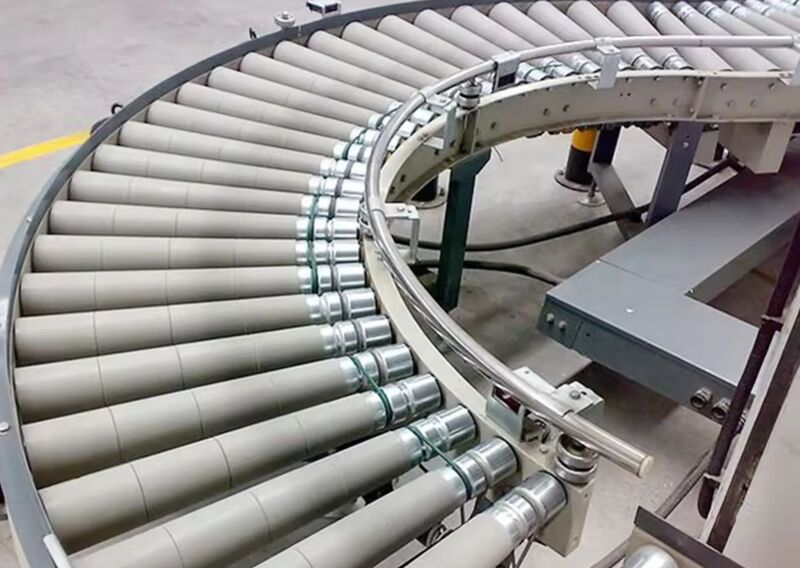
A tapered roller is designed with a simple structure while still ensuring high precision
Technical Specifications
- Diameter Range: 20 - 500 mm
- Face Length: 200 - 2000 mm
- Wall Thickness: 0.5 - 8 mm
- Material Options: Carbon steel, stainless steel, galvanized steel, or industrial-grade polymers
- Drive Type: Available in gravity-driven (non-powered) or belt-driven (O-belt / Poly-V) configurations depending on system requirements
- Surface Finish: Zinc plating, powder coating, or polished stainless steel for enhanced corrosion resistance and durability
- Load Capacity: Suitable for light to medium-duty applications, with performance depending on roller diameter, wall thickness, and axle design
- Operating Temperature: Stable performance in the range of -5°C to 40°C, ensuring reliable operation in standard industrial environments
- Customization: Fully customizable in terms of taper ratio, groove design, and dimensions to match specific conveyor layouts and operational needs
Technical Specifications
How Do They Work?
Tapered rollers operate on the principle of varying surface speeds within roller conveyors. Because the outer diameter is larger than the inner diameter, the outer edge of the roller covers more ground per rotation.
When a product enters a curve, this speed differential creates a natural guiding force. The outer edge "pulls" faster than the inner edge, causing the item to pivot naturally along the curve rather than sliding straight off the track. By balancing gravity and friction, tapered rollers prevent "logjams" or collisions at critical pivot points, ensuring goods transition between conveyor segments with ease.
Why Tapered Rollers are Essential
- Precision Tracking: They facilitate smooth directional changes across various angles without the need for aggressive guardrails.
- Material Durability: Available in galvanized steel, stainless steel, or PVC, these rollers offer excellent corrosion resistance and load-bearing capacity.
- Noise and Vibration Reduction: Engineered for quiet operation, especially when coated with PVC, creating a better working environment.
- Simplified System Design: By providing inherent guidance, they reduce the need for complex auxiliary guiding equipment.
- Temperature Stability: Reliably operates between -5°C and 40°C, maintaining mechanical integrity and resisting deformation in diverse industrial climates.
- Versatile Handling: Perfect for everything from corrugated boxes and plastic totes to sensitive electronic components.
Core Industrial Applications
- Logistics & Warehousing: The heart of sorting systems and distribution center curves.
- Food & Beverage: Stainless steel versions are used for packaged goods to meet strict hygiene and safety standards.
- Electronics: Precision movement of small components while minimizing static and impact.
- Print & Packaging: Supporting high-speed curved lines in paper and cardboard processing.
- Automated Manufacturing: Integrating seamlessly into "Smart Factory" layouts where space optimization is key.
Classification: Choosing the Right Roller
By Function
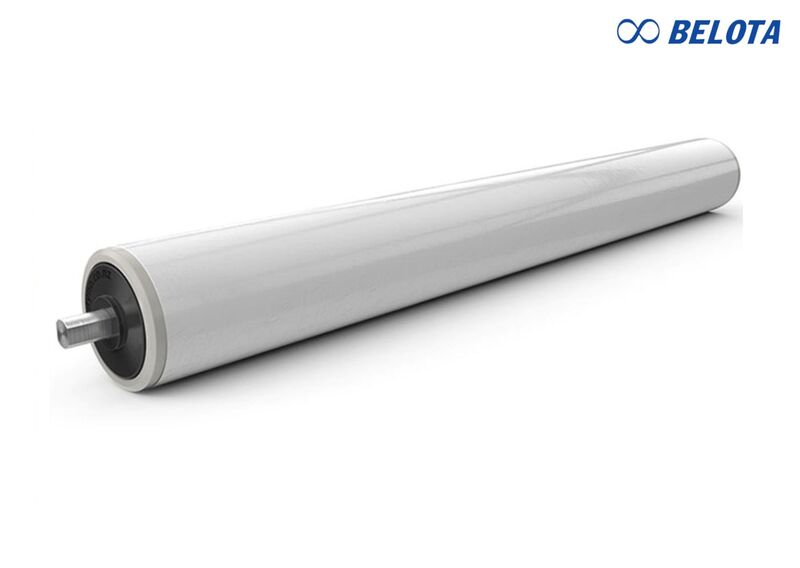
Non-Grooved Tapered Rollers: Typically used in gravity-fed systems. They allow goods to move freely via slope and momentum.
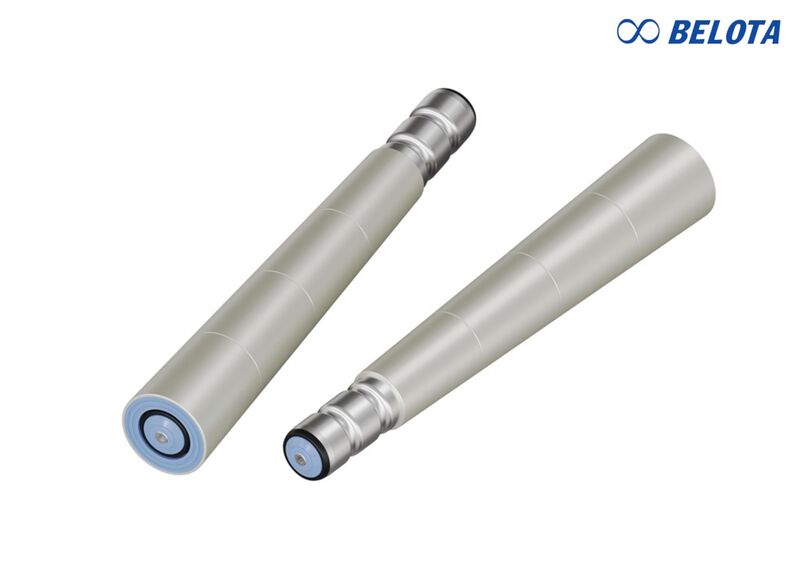
Grooveless tapered roller
Grooved Tapered Rollers: Designed with grooves to accommodate drive belts (often O-rings). These are essential for powered conveyor systems where speed control is mandatory.
Grooved tapered roller
By Material
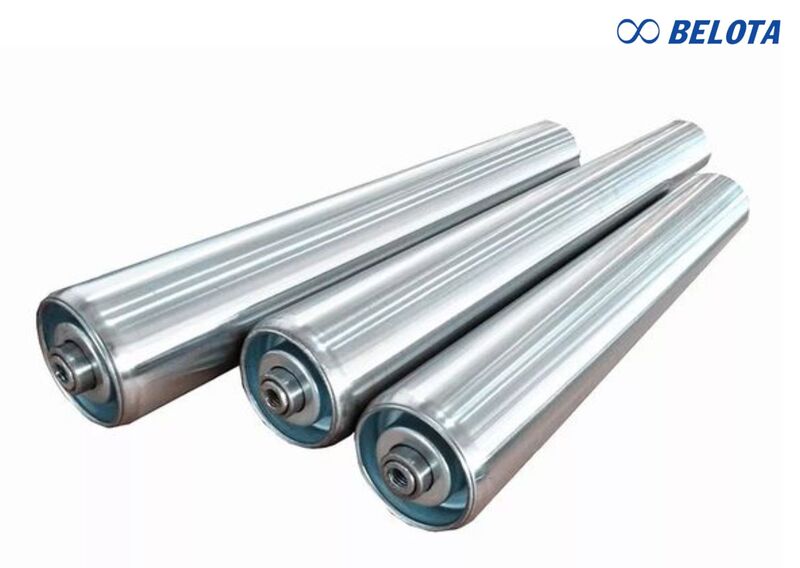
Galvanized Steel: The industry standard for general manufacturing; durable and cost-effective.
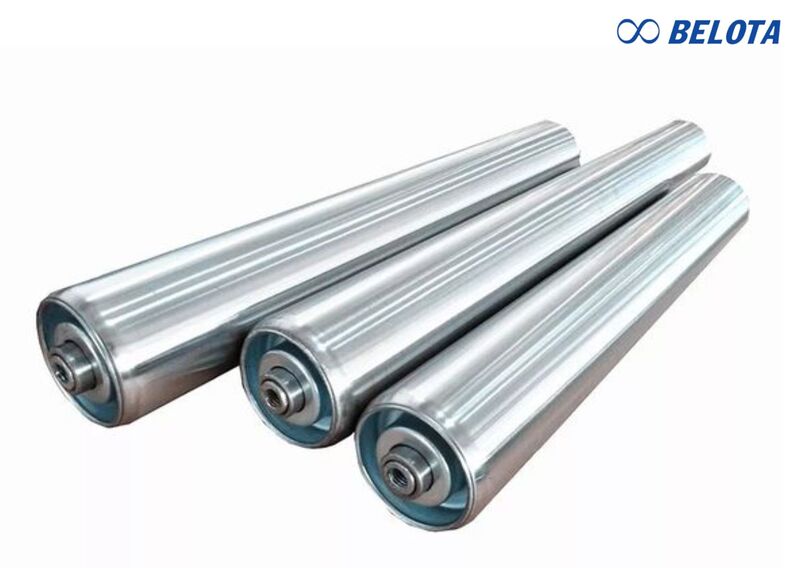
Galvanized steel tapered roller
Stainless Steel Roller (Inox): The go-to for washdown environments, pharmaceuticals, or cold storage due to superior corrosion resistance.
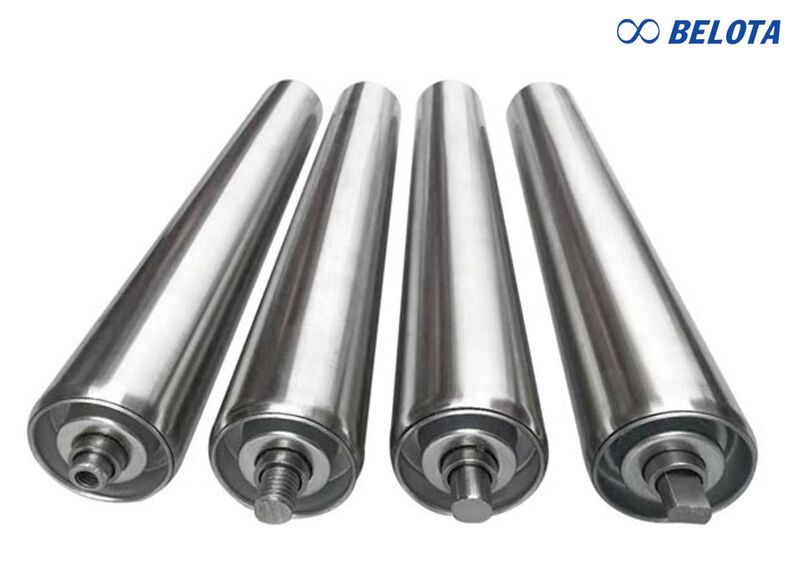
Stainless steel tapered roller
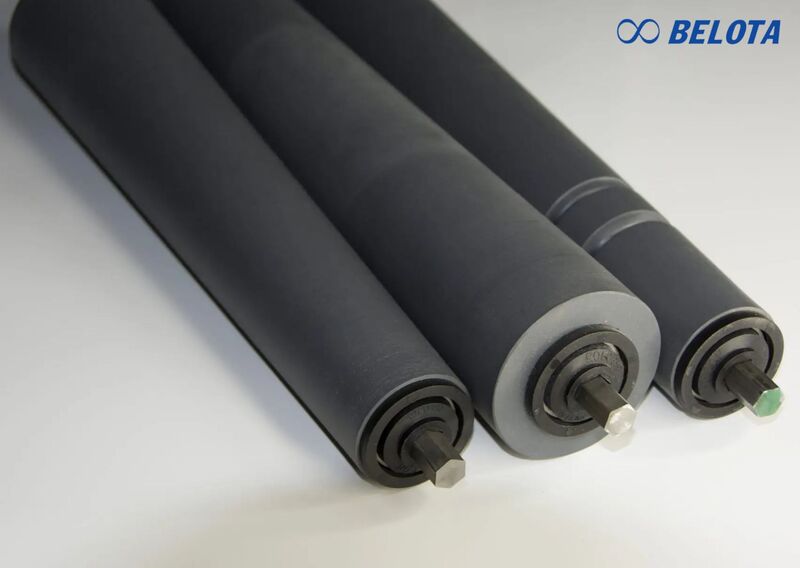
Plastic/PVC: Best for light-duty loads; offers the quietest operation and is highly cost-efficient.
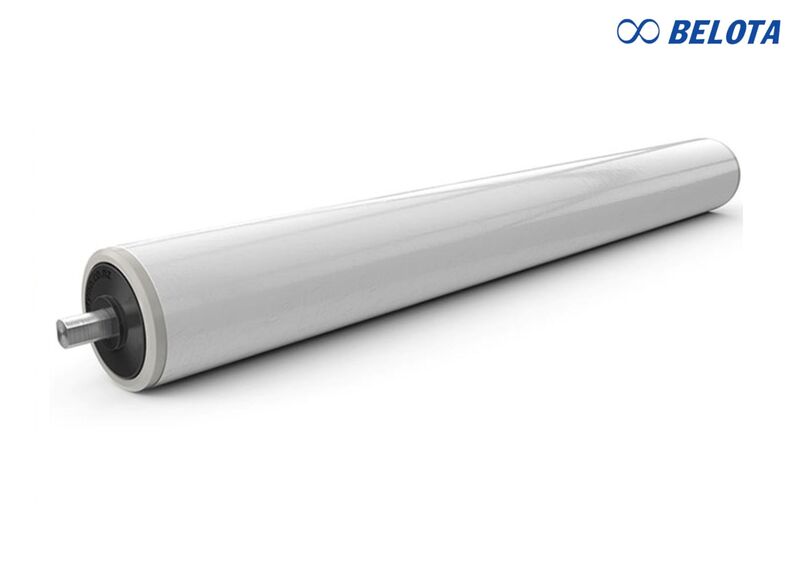
Plastic tapered roller
Conclusion
The tapered roller is an unsung hero of modern automation. At Belota, we understand that the right turn can make or break your production efficiency. With our precision-engineered tapered rollers, businesses can achieve a higher level of operational fluidity, reduced maintenance costs, and a more reliable supply chain. Are you looking to optimize your conveyor layout? Let Belota's experts help you find the perfect taper for your needs.