During the operation of an industrial flatwork ironer, the roller padding system directly affects pressure distribution, heat transfer, moisture removal, and fabric finishing quality. Ironer Spring and Steel Wool are two types of laundry industry supplies used in the roller covering system, each with different structures and functions. So, what is the difference between them, what types are available, and when should they be replaced? Let’s explore the details below.
What Are Ironer Spring and Steel Wool for Industrial Flatwork Ironer Rollers?
Ironer Spring
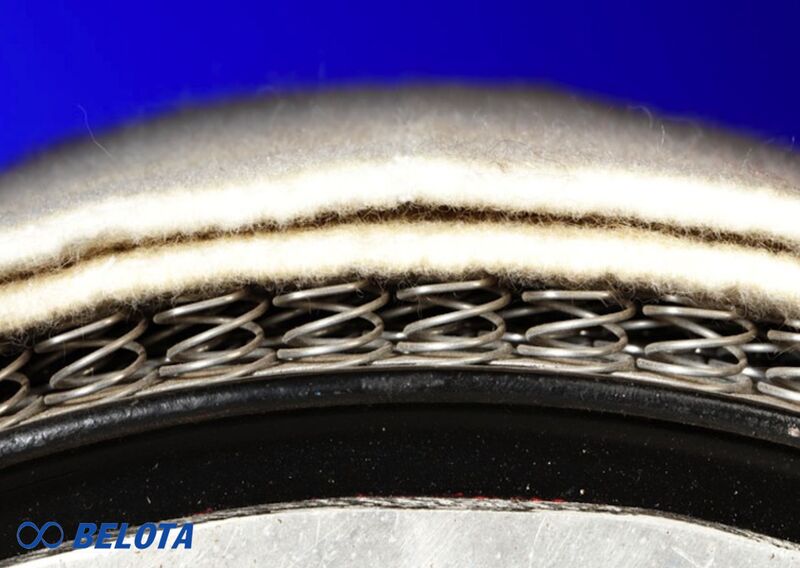
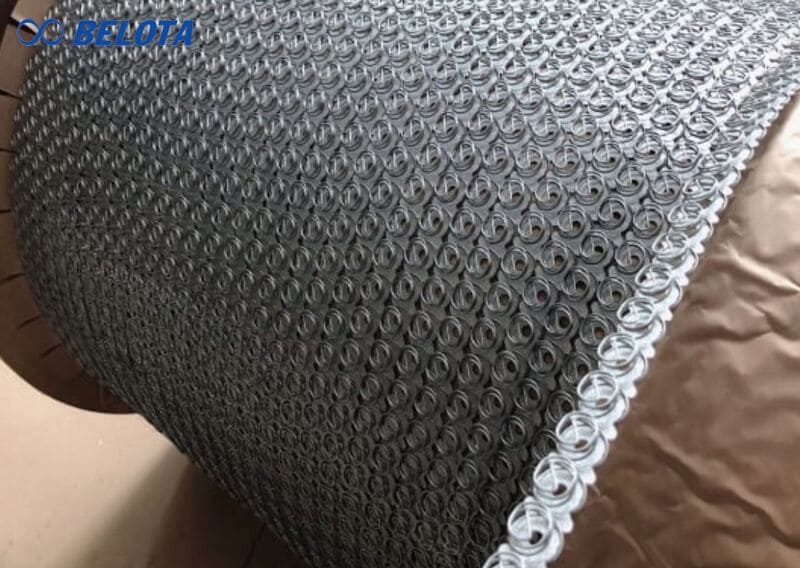
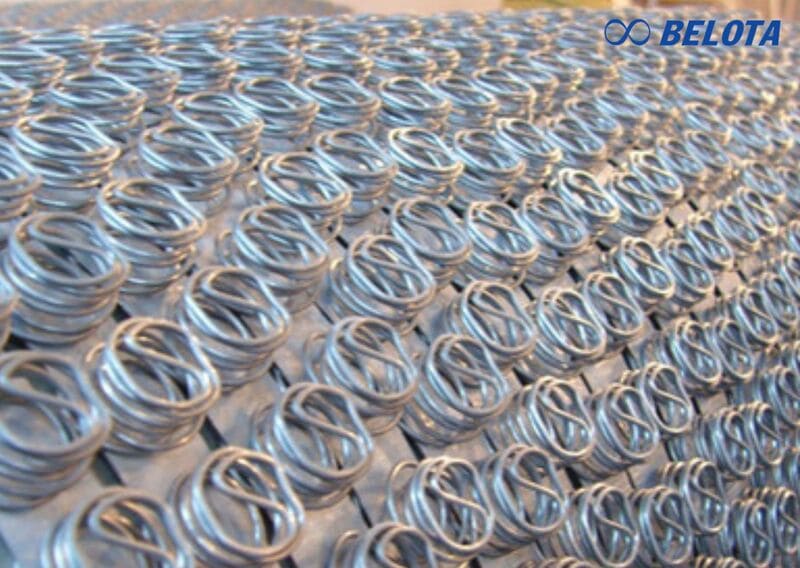
An Ironer Spring is a resilient padding material installed directly around the roller of an industrial flatwork ironer. It is typically made from continuous steel wire formed into parallel spring coils. This spring layer is positioned beneath the Ironer Padding, felt, or outer roller covering to provide the elasticity required during the pressing and ironing process.
During operation, the Ironer Spring helps distribute pressure more evenly between the roller and the ironing surface while supporting the outer covering so that it fits closely around the roller. This allows the fabric to maintain stable contact with the heated surface, contributing to more consistent finishing and reducing uneven pressure marks.
Steel Wool
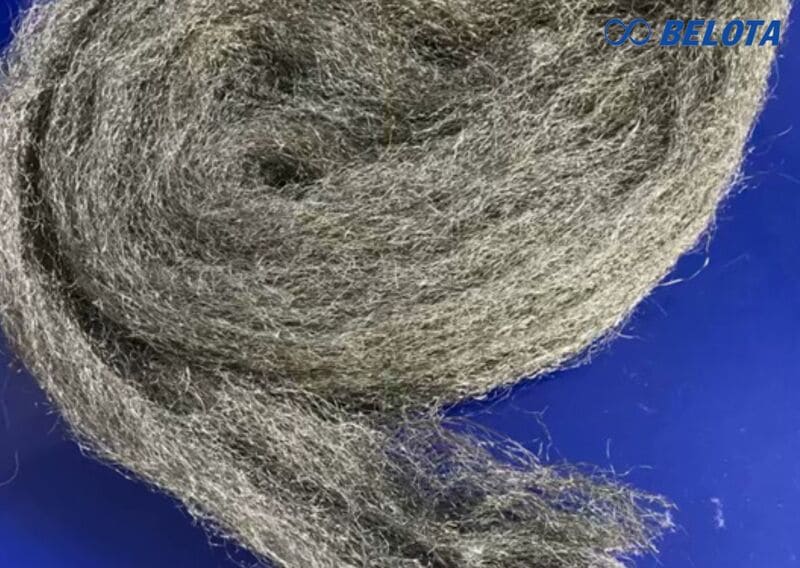
Steel Wool, also known as Steel Velvet, is made from fine steel fibers with a soft, flexible, and breathable structure. Unlike the Ironer Spring, which has a defined spring structure, Steel Wool forms a fibrous layer that can be wrapped around or added to the roller padding system.
On some older ironer models, Steel Wool may be added after the Ironer Spring has been installed. It serves as a supporting layer that helps protect the ironer felt, improve heat distribution, and maintain the overall roller covering structure.
Advantages of Ironer Spring for Flatwork Ironers
Ironer Spring is designed for industrial ironing environments involving high temperatures, humidity, and continuous operation.
- Good elasticity: Provides resilience to the roller covering and supports the pressing and flatwork ironing process.
- More even pressure distribution: Helps maintain more consistent pressure between the roller and ironing surface, reducing uneven fabric finishing.
- Supports better ironing quality: Helps the fabric maintain improved contact with the heated surface for smoother and more uniform results.
- Heat resistance and durability: Its steel construction allows it to operate in the high-temperature environment of industrial flatwork ironers.
- Supports moisture release: The open spring structure creates ventilation spaces that allow moisture and steam to pass through the padding and roller perforations, supporting the drying process.
- Reduces localized deformation: Individual spring sections can compress independently and adapt to seams, buttons, embroidery, or areas with different fabric thicknesses.
- Helps extend ironer felt life: The spring layer creates a resilient buffer between the roller and felt, reducing direct pressure and helping limit localized compression.
- Available for different roller sizes: Can be selected according to the diameter and length of different ironer rollers.
Advantages of Steel Wool for Flatwork Ironers
- Supports heat distribution: The breathable steel fiber structure helps promote heat transfer and distribution around the ironer roller.
- Helps protect ironer felt: Provides an additional supporting layer that can reduce direct stress on the felt and contribute to longer service life.
- Flexible and easy to wrap: Its soft structure allows Steel Wool to conform to rollers of different sizes.
- Supports a stable padding structure: When used in the appropriate roller covering system, it helps maintain the padding layer and support consistent ironing performance.
- Suitable for different ironer designs: Can be used alone or together with Ironer Spring, particularly for some small roller ironers and box-type ironers.
- Cost-effective solution: May help reduce replacement and maintenance costs for the roller covering system.
Types of Ironer Spring and Steel Wool for Flatwork Ironers
Depending on the ironer design, padding material, and roller covering method, several products can be used for industrial flatwork ironer rollers.
Galvanized Steel Ironer Spring
The Ironer Spring is made from galvanized steel wire and is used as a resilient layer around the ironer roller.
Specifications:
- Material: Galvanized steel
- Height: 10 mm
- Wire diameter: 0.9 mm
- Length: 500 - 1,100 m
- Type: With inner hole or without inner hole
Advantages:
- Helps reduce maintenance costs and extend padding service life.
- Distributes ironing pressure more evenly across the roller surface.
- Adds elasticity to the roller covering.
- Supports improved flatwork finishing quality.
- Durable and easy to replace.
Steel Wool / Steel Velvet
Steel Wool / Steel Velvet L-0771 is used to wrap around ironer rollers, creating a supporting layer and helping protect the outer ironer felt. On some older machines, it may be added after the Ironer Spring layer.
Features:
- Made from fine steel fibers.
- Flexible and breathable structure.
- Packaging: 20 kg per box.
- Suitable for small roller ironers and box-type ironers.
Advantages:
- Helps protect and extend the service life of ironer felt.
- Supports improved heat distribution.
- Flexible and easy to form around the roller.
- Provides a cost-effective padding solution.
Steel Wool Felt Pad
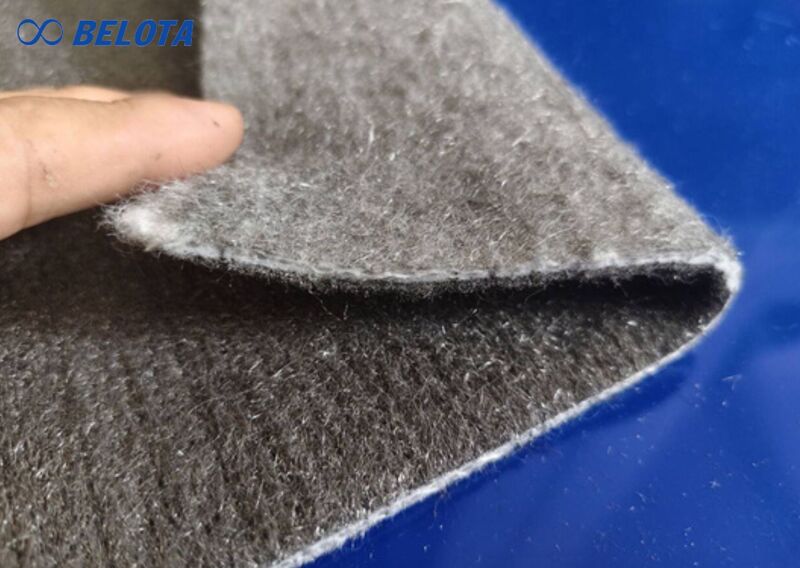
The Steel Wool Felt Pad L-0774 combines steel fibers and felt into a single padding material. It provides cleaning, cushioning, and roller covering functions.
Features:
- Combines steel fibers and felt.
- Available in widths of up to 3 m.
- Can be wrapped directly around some small ironers.
- In certain applications, it can be used without an additional Ironer Spring layer.
Advantages:
- Provides effective cushioning.
- Supports cleaning and surface treatment.
- Combines the flexibility of felt with the properties of steel fibers.
- Can simplify the roller covering structure on some small ironers.
Additional Accessories for Cleaning Ironer Rollers
In addition to Ironer Spring and Steel Wool, several accessories can be used to support the cleaning, polishing, and maintenance of flatwork ironer rollers.
Steel Mesh
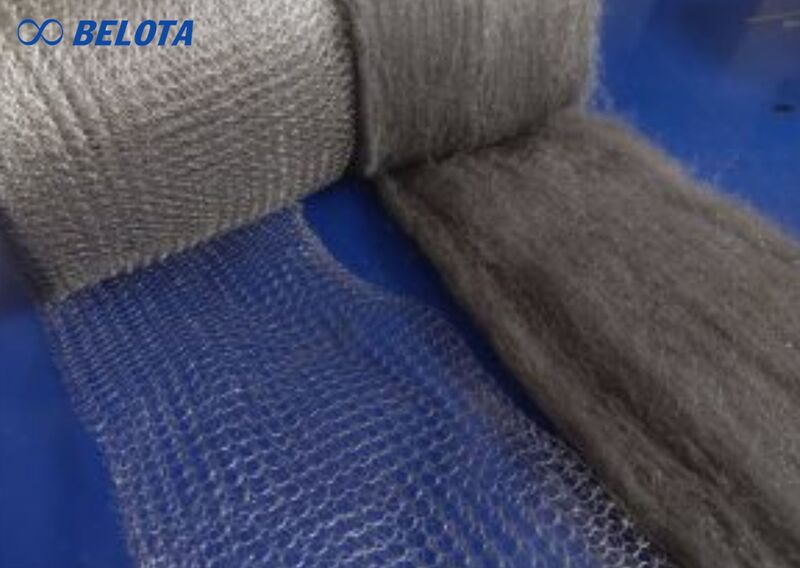
Steel Mesh is made from high-quality steel and is available in two types. It is used for polishing ironer rollers and can also be used together with waxing sheets and conditioning cloths.
Features and advantages:
- Supports polishing of roller surfaces.
- Made from durable steel.
- Can be used with other roller maintenance materials.
- Helps maintain the working condition of ironer rollers.
Steel Cloth
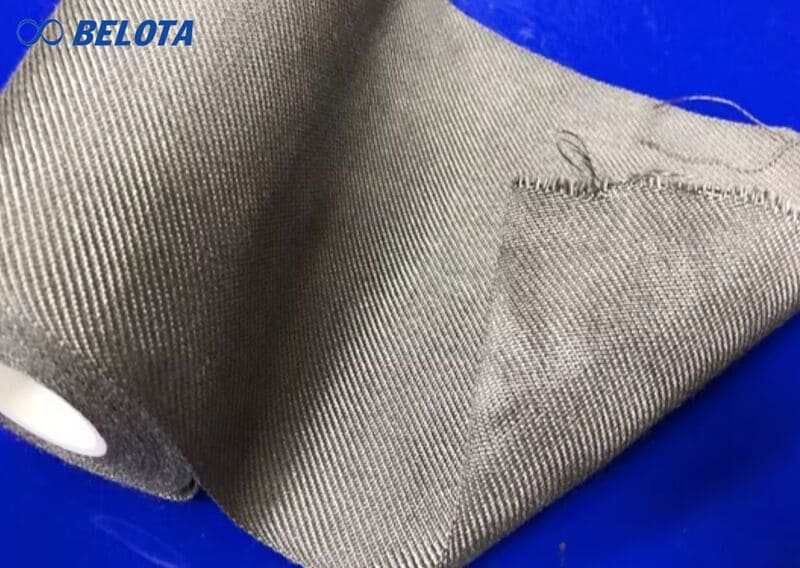
Steel Cloth L-0773 is made from stainless steel and is used for cleaning flatwork ironer rollers during maintenance.
Features and advantages:
- High heat resistance.
- Long service life.
- Anti-static properties.
- Provides gentle abrasive cleaning without causing significant surface damage.
- Suitable for cleaning flatwork ironer rollers and other industrial cleaning applications.
Frequently Asked Questions About Ironer Spring and Steel Wool
When Should an Ironer Spring Be Replaced?
Because the Ironer Spring is located beneath the felt and outer covering, it can be difficult to inspect directly. The following signs may indicate that the padding system has deteriorated:
- Uneven areas appear on the ironing surface.
- Fabric remains damp or dries unevenly after ironing.
- Ironing quality decreases even though the outer felt still appears to be in relatively good condition.
- The roller develops compressed areas or loses elasticity.
- The spring is broken, deformed, or loses its structural connection.
- Steam and moisture do not pass through the roller effectively.
- The felt wears or becomes compressed in localized areas more quickly.
- The overall padding diameter no longer meets the required specification.
When these signs appear, the Ironer Spring, ironer felt, and steam release system should be inspected together to identify the actual cause.
How Long Does an Ironer Spring Last?
The service life of an Ironer Spring depends on factors such as material quality, operating temperature, running frequency, humidity, roller condition, and ironing load. Under suitable operating and maintenance conditions, an Ironer Spring may last approximately 3–5 years or longer in a stable system.
In comparison, the outer felt or roller covering may require inspection and replacement after approximately 6–18 months, depending on the level of wear. Replacing only the outer covering while the spring system remains in good condition can help reduce maintenance costs and machine downtime.
Belota Supplies Ironer Spring and Steel Wool for Industrial Flatwork Ironers
Belota Co., Ltd. supplies Ironer Spring, Steel Wool, Steel Wool Felt Pad, and related materials for the replacement, maintenance, and restoration of industrial flatwork ironer roller coverings. Products can be selected according to the ironer model, roller dimensions, and padding structure to help maintain elasticity, pressure distribution, and heat transfer during operation.
In addition to Ironer Spring and Steel Wool, Belota also provides accessories for cleaning and maintaining ironer rollers. Customers can provide their machine model, roller dimensions, or operating requirements to receive support in selecting suitable materials.
With technical consultation, Belota helps customers choose appropriate solutions for different roller covering systems, supporting efficient operation and more convenient maintenance of industrial flatwork ironers.
Conclusion
Ironer Spring and Steel Wool are important materials used in the roller covering and maintenance system of industrial flatwork ironers. Selecting the appropriate material and carrying out regular inspection and replacement can help maintain padding elasticity, support stable pressure and heat distribution, and contribute to consistent ironing quality. If you need to replace Ironer Spring, Steel Wool, Steel Wool Felt Pad, or other flatwork ironer roller covering materials, provide your machine model, roller dimensions, and operating requirements. Belota can assist in identifying and selecting a suitable solution for your system.