Laundry Belt Fastener is a laundry industry accessory used to join the two ends of a belt and form a continuous endless loop. It is commonly installed on feeding machines, flatwork ironers, folding machines, dryers, and other industrial laundry systems. With hook, hinge, or mechanical fastening designs, the fastener helps secure both belt ends, maintain proper belt tension, and simplify removal and maintenance. Depending on the belt thickness and material, different types of Laundry Belt Fasteners can be selected, including G-06 fasteners, G-1 fasteners, crocodile-style fasteners, and nylon spiral hooks. Choosing the correct fastener helps the belt operate more reliably, reduces the risk of joint failure, and extends its service life.
Laundry Belt Fastener - What Is It?
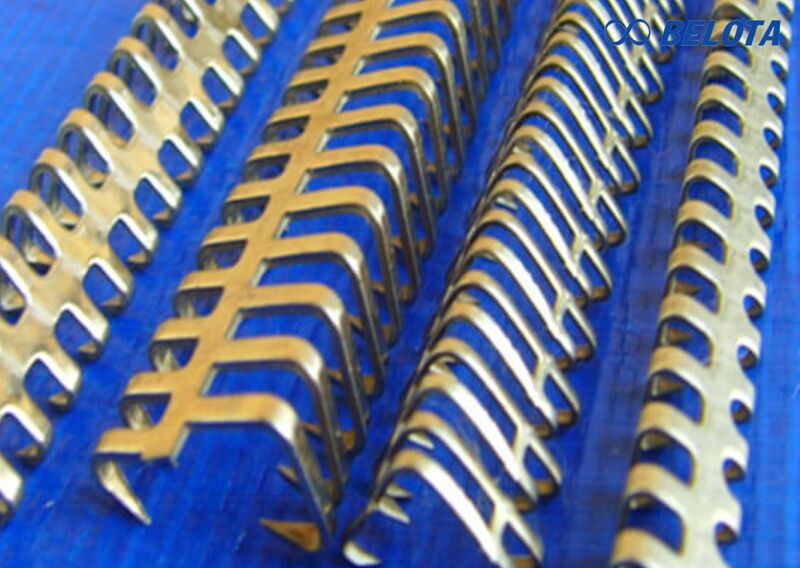
A Laundry Belt Fastener is a connecting component installed at both ends of a belt to create a closed loop for continuous operation on industrial laundry equipment. Fasteners may be made from stainless steel, high-quality steel, or nylon, depending on the product design and belt material, including cotton belts for laundry folding machines.
In industrial laundry systems, belts are often exposed to continuous tension, friction, moisture, heat, and, in some cases, laundry chemicals. For this reason, the belt fastener should provide sufficient mechanical strength, wear resistance, and compatibility with the thickness and construction of the belt.
Laundry Belt Fasteners are installed at both ends of a belt to create a continuous loop.
Construction of a Laundry Belt Fastener
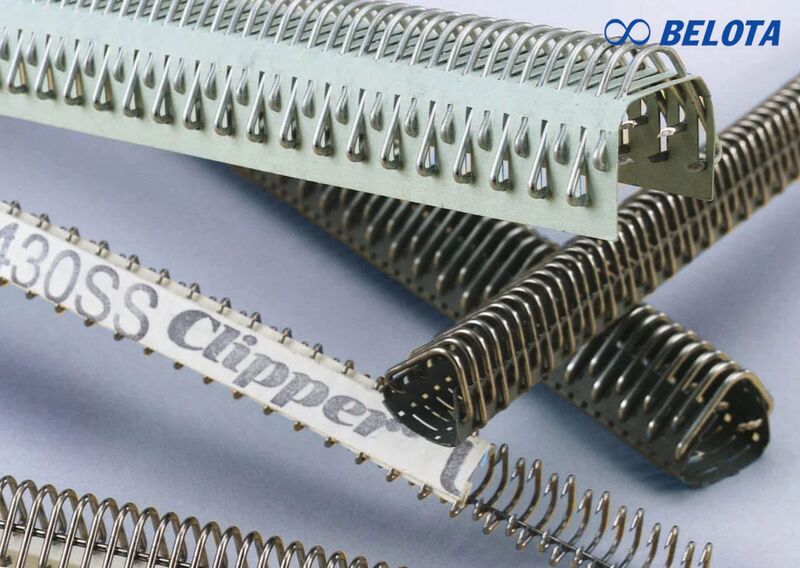
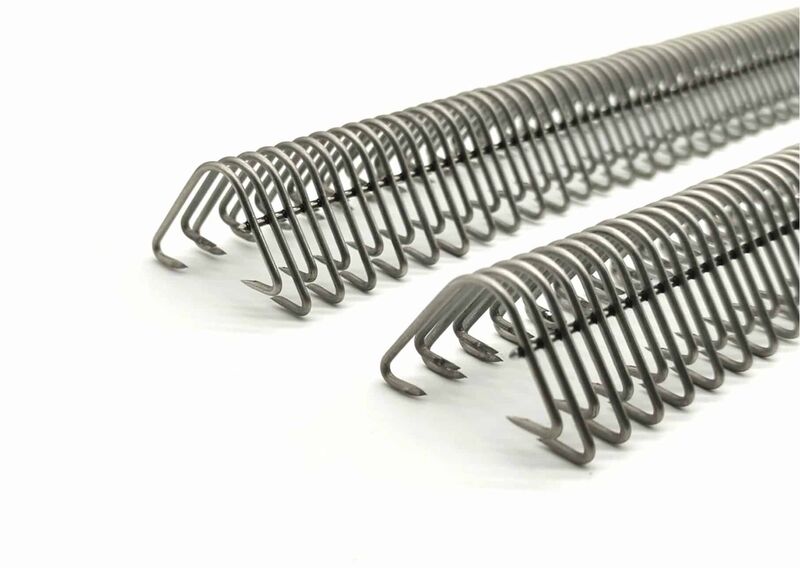
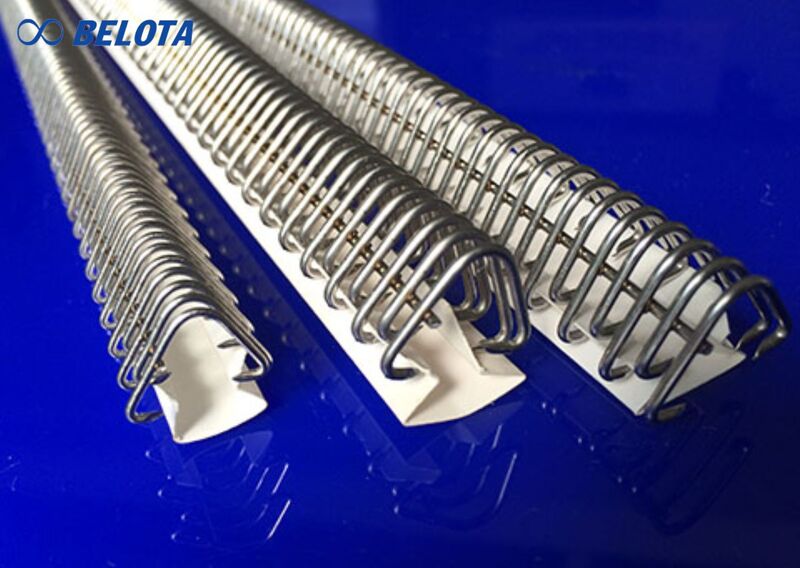
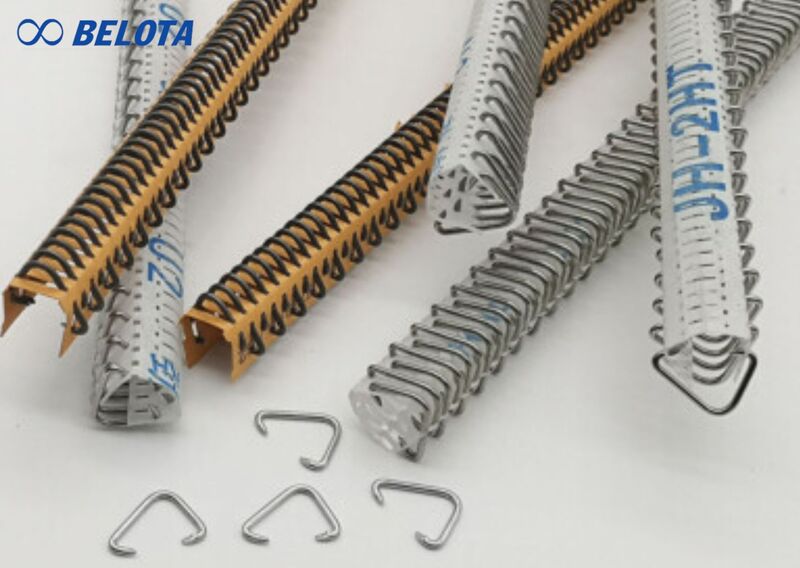
A typical Laundry Belt Fastener may consist of a fastening body, wire hooks, hinge loops, or other connecting elements, depending on the design. Some types use formed steel wire hooks that are secured to the belt ends using a dedicated installation or pressing tool.
Stainless steel is commonly used because of its mechanical strength, wear resistance, and corrosion resistance, making it suitable for industrial laundry environments. For softer belts, such as cotton belts, nylon fasteners or spiral hooks may also be used to reduce the risk of damaging the belt fibers.
Common Types of Laundry Belt Fasteners
G-06 Laundry Belt Fastener
The G-06 fastener uses steel wire with a diameter of approximately 0.6 mm and is generally suitable for belts with a thickness of around 1.5–2.5 mm.
Common widths include:
- 2 inches
- 3 inches
- 4 inches
- 6 inches
- 8 inches
- 12 inches
This type can be used with cotton belts, folding machine belts, polyester belts, and certain PVC or high-friction belts, depending on the belt construction and application.
G-1 Laundry Belt Fastener
The G-1 fastener uses steel wire with a diameter of approximately 1.0 mm. It is generally intended for thicker belts, typically around 3–6 mm, depending on the belt construction.
Common widths include:
- 6 inches
- 8 inches
- 12 inches
G-1 fasteners are commonly used for ironer belts, polyester belts, PVC belts, and other belts with greater thickness.
Crocodile-Style Belt Fastener
The crocodile-style fastener features an interlocking hook design and is commonly used with polyester and woven belts.
Typical widths include:
- 100 mm
- 150 mm
- 200 mm
Its clamping design helps distribute the connecting force across the joint area while allowing relatively convenient removal when the belt needs to be replaced or the machine requires maintenance.
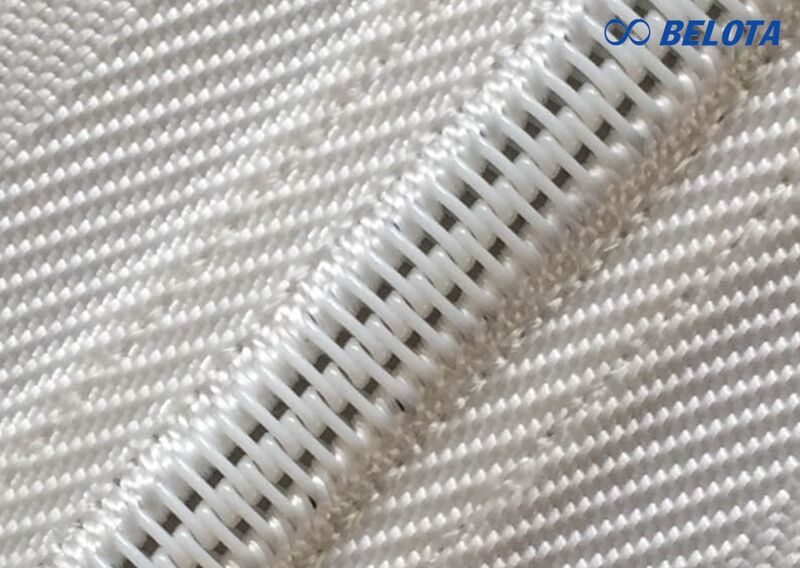
Nylon Spiral Hook
A nylon spiral hook is a flexible fastening solution that does not use sharp metal hooks, helping reduce the risk of damage to the belt surface.
This type can be used with cotton belts and certain ironer belts, especially in applications where protecting the belt fibers is important. Another advantage is that installation can be relatively simple and may not always require a specialized pressing tool, depending on the specific belt and fastening design.
G-065 Connecting Pin
The G-065 connecting pin is used to link the hooks or loops of the fastener after both fastener sections have been installed on the belt ends. Different pin options are available depending on the fastening system.
- Standard nylon pin: Commonly used with G-06 fasteners and suitable for cotton or softer belts.
- Steel-core nylon pin: Often used with G-1 fasteners for ironer belts and thicker belt constructions.
Some common versions have a diameter of approximately 1.6 mm and are supplied in rolls or other packaging formats depending on the product.
Advantages of Using Laundry Belt Fasteners
- Quick belt connection: A Laundry Belt Fastener allows the two belt ends to be joined relatively quickly compared with some permanent joining methods, making it useful for belt replacement and on-site repairs.
- Easier maintenance and replacement: Mechanical fasteners can simplify belt removal when inspection, maintenance, or replacement is required, helping reduce machine downtime.
- Secure belt joint: When the correct fastener is selected and installed properly, the joint can provide reliable connection strength and reduce the risk of the belt separating during operation.
- Compatible with different belt types: Different sizes and fastening designs are available for cotton, polyester, PVC, woven belts, and industrial ironer belts.
- Reduced risk of belt damage: Selecting the appropriate fastener and installation pressure helps distribute the load across the joint area and can reduce the risk of tearing or damaging the belt ends.
Applications of Laundry Belt Fasteners
Laundry Belt Fasteners are used in various types of industrial laundry equipment, including:
- Feeding machines: Used to connect belts that transport sheets, towels, and other textiles.
- Industrial flatwork ironers: Help maintain a secure belt connection while the belt operates continuously through pressing and heated sections.
- Folding machines: Support stable belt operation and help maintain consistent product movement.
- Drying systems: Used on belts that transport textiles through drying processes.
- Laundry delivery or discharge machines: Help maintain continuous belt movement when products are discharged from the equipment.
- Industrial laundry facilities: Used for routine maintenance and replacement of belts on different types of laundry machinery.
How to Choose the Right Laundry Belt Fastener
To select a suitable Laundry Belt Fastener, several factors should be checked before installation, including belt thickness, width, material, and operating conditions.
For belts with a thickness of approximately 1.5–2.5 mm, a G-06 fastener with 0.6 mm wire may be considered. For thicker belts of approximately 3–6 mm, a G-1 fastener with 1.0 mm wire may be more suitable, depending on the actual belt construction.
The fastener width, connecting pin, and installation tool should also be compatible with each other. For cotton or woven belts where fiber protection is important, suitable nylon fastening solutions may be considered.
Belota - Supplier of Laundry Belt Fasteners
Băng Tải Belota supplies Laundry Belt Fasteners, belt connectors, connecting pins, pressing tools, and belt pressing equipment for the replacement, repair, and maintenance of industrial laundry belts.
Various fastening styles, sizes, materials, and installation methods are available for cotton belts, polyester belts, PVC belts, woven belts, and industrial ironer belts.
To select the appropriate fastener, customers can provide information such as belt thickness, belt width, belt material, machine type, and photos of the existing belt joint. This information helps determine a compatible fastener and installation method.
Conclusion
A Laundry Belt Fastener is an important accessory for creating a secure belt joint, maintaining proper belt tension, and supporting stable operation in industrial laundry systems. From G-06 and G-1 fasteners to crocodile-style fasteners and nylon spiral hooks, each type is designed for different belt materials and thickness ranges.
Selecting the correct fastener, connecting pin, and installation tool can help reduce maintenance time, minimize belt-end damage, limit machine downtime, and improve the overall operating efficiency of the laundry production line.