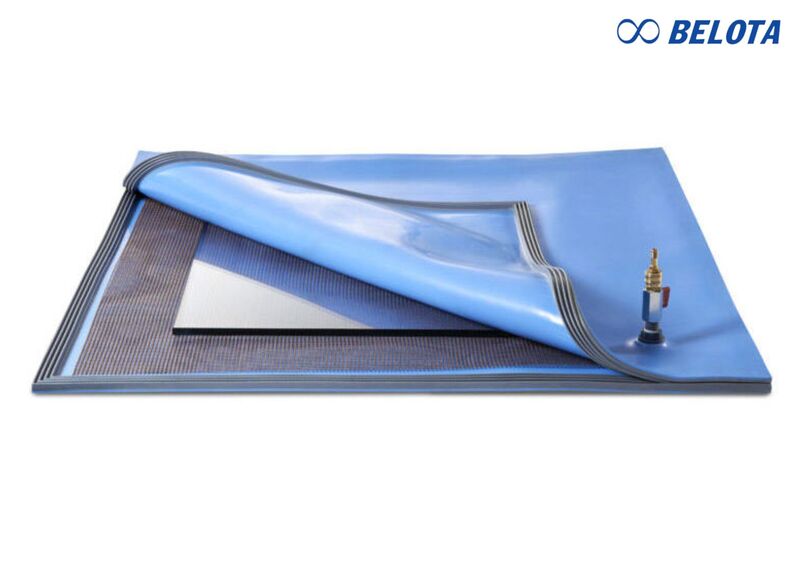
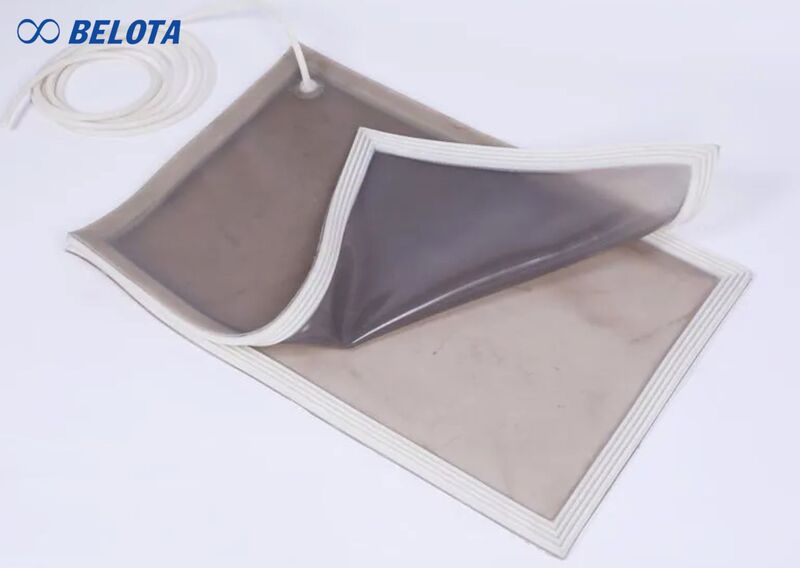
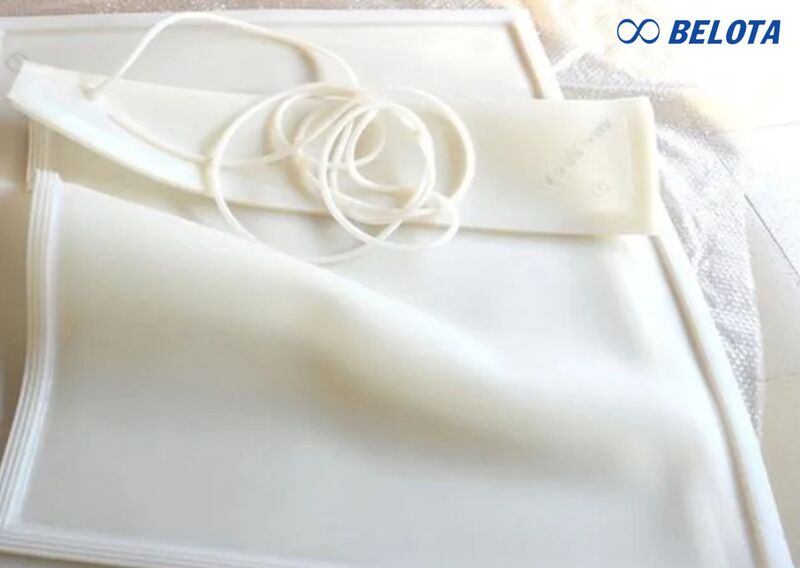
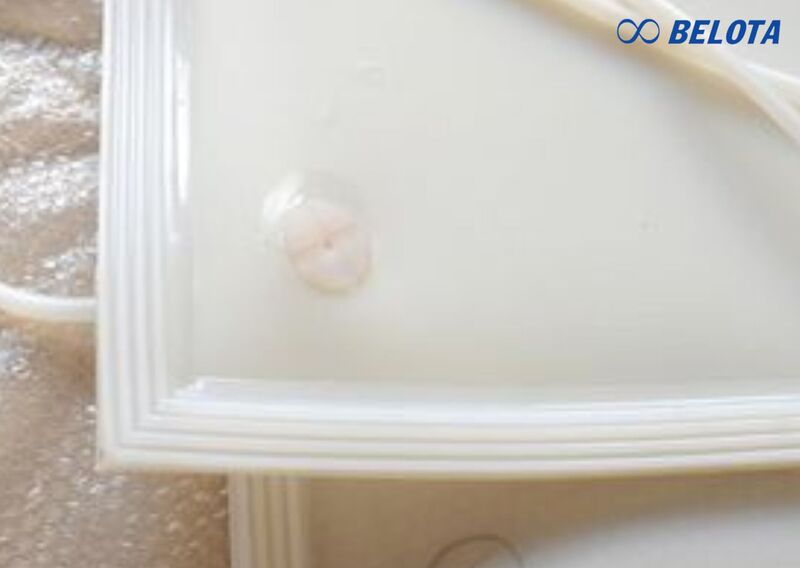
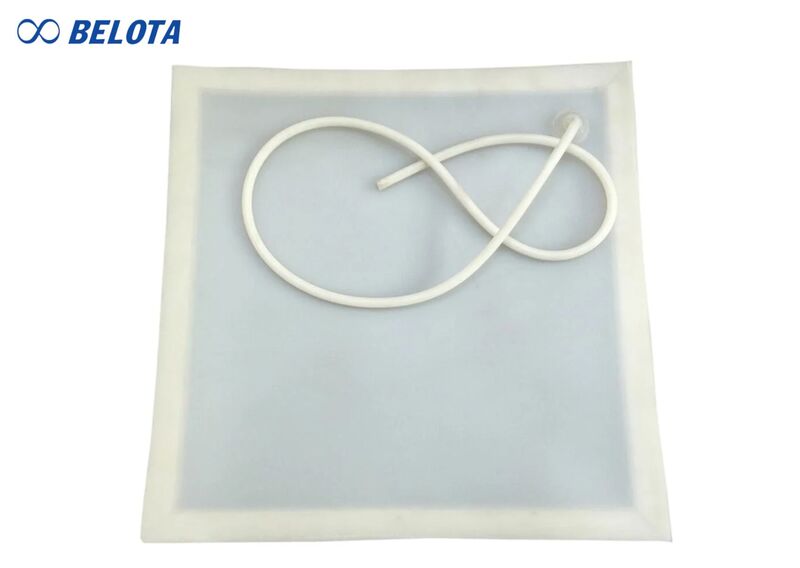
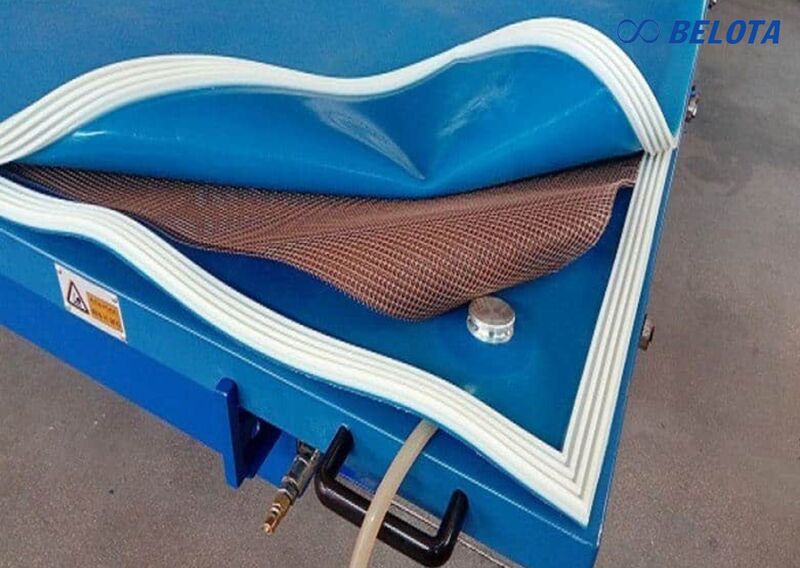
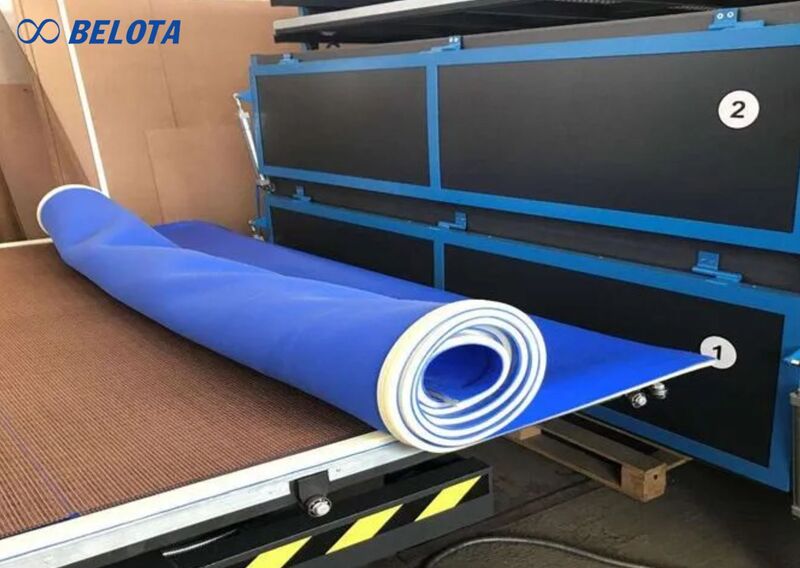
Silicone vacuum bags are essential consumables for laminated glass production and solar panel manufacturing. They create a stable vacuum environment that removes trapped air, improves adhesion between material layers, and ensures a high-quality finished product. Made from premium silicone rubber, these bags offer excellent heat resistance, long service life, and can be reused multiple times, helping manufacturers improve production efficiency while reducing operating costs.
What Is a Silicone Vacuum Bag?
A silicone vacuum bag, also known as a silicone vacuum sealing bag, is a specialized component used in vacuum glass laminating systems. Manufactured from 100% high-grade silicone rubber, it offers excellent thermal resistance, outstanding elasticity, and reliable airtight sealing throughout the heating cycle.
During the lamination process, the bag creates a vacuum chamber between the glass sheets and the EVA interlayer, removing trapped air and preventing bubble formation. This improves adhesion between material layers while producing optically clear, high-strength laminated glass.
Silicone vacuum bags are widely used for manufacturing laminated safety glass, decorative glass, architectural glass, and photovoltaic (PV) solar modules. In solar panel production, they are commonly used together with solar panel laminating silicone sheets to optimize the lamination process and ensure consistent bonding quality.
Construction & Technical Features of Silicone Vacuum Bags
A silicone vacuum bag consists of several key components designed to ensure excellent sealing performance and long-term durability during vacuum lamination.
- Upper and lower silicone sheets: Manufactured from 100% premium silicone rubber with a hardness of approximately 50 ± 5 Shore A and elongation up to 650%. These sheets provide excellent heat resistance, flexibility, and airtight sealing throughout the lamination cycle.
- Vacuum bag structure: Two silicone sheets are permanently sealed along the edges to form an enclosed vacuum chamber that maintains consistent vacuum pressure during operation.
- Silicone sealing strip: An E-shaped silicone gasket creates an airtight mechanical lock between the upper and lower sheets. As the vacuum pressure increases, the seal becomes even tighter, minimizing air leakage.
- Three-stage vacuum locking system: Designed to improve sealing performance, prevent vacuum loss, and extend service life.
- Vacuum ports and accessories: Each standard set includes two vacuum ports, each supplied with a 2-meter vacuum hose, along with a vacuum valve and breather material for quick installation and stable vacuum generation.
Technical Specifications
| Specification | Value |
|---|---|
| Material | 100% Silicone Rubber |
| Color | Transparent, Blue |
| Surface Finish | Smooth or Textured |
| Thickness | 3 mm (0.118 in) |
| Maximum Width | Up to 3,300 mm (130 in) |
| Length | Custom Manufactured |
| Density | 1.25 ± 0.05 g/cm³ |
| Hardness | 50 ± 5 Shore A |
| Tensile Strength | 9.5 MPa |
| Tear Strength | 32 N/mm |
| Elongation at Break | 650% |
| Maximum Operating Temperature | Up to 250°C (482°F) |
| Compression Set | ≤ 8% |
| Resilience | 30% |
Advantages of Silicone Vacuum Bags
Silicone vacuum bags provide several important advantages for laminated glass and solar module manufacturers.
- Excellent heat resistance: Performs reliably at temperatures up to 250°C (482°F), making it suitable for repeated lamination cycles.
- Superior vacuum sealing: Minimizes air leakage and maintains stable vacuum pressure, resulting in higher-quality laminated glass.
- Exceptional durability and long service life: Silicone resists tearing, high pressure, and repeated heating/cooling cycles without becoming brittle, allowing the bag to be reused many times.
- Flexible operation: The bag can be opened from all four sides, making glass loading and unloading faster and more convenient. For applications that only require a pressing membrane rather than a fully enclosed vacuum chamber, a silicone vacuum membrane may be a more suitable option.
- Custom manufacturing: Available in virtually any size to match different laminating ovens and production lines.
Applications of Silicone Vacuum Bags
Silicone vacuum bags are widely used in various industrial vacuum lamination applications, including:
- Laminated safety glass production using EVA interlayers
- Decorative glass lamination
- Artistic and specialty glass manufacturing
- Architectural laminated glass production
- Solar panel (photovoltaic module) manufacturing
- Vacuum bagging of composite materials
Why Do Silicone Vacuum Bags Improve Glass Lamination Quality?
During laminated glass production, trapped air between the glass sheets and EVA film can cause defects such as bubbles, edge delamination, haze, poor transparency, and weak bonding between layers. These issues reduce both the appearance and structural performance of the finished product.
A silicone vacuum bag creates a stable vacuum environment before heating begins, removing nearly all trapped air inside the assembly. As the EVA film melts, it bonds evenly across the entire glass surface, producing laminated glass with excellent optical clarity, strong adhesion, and long-term durability.
Installation, Operation & Maintenance
Proper operation and maintenance help maximize the service life of a silicone vacuum bag.
Operating Procedure
- Prepare the glass, EVA film, and other materials according to process requirements.
- Place the complete glass assembly inside the silicone vacuum bag.
- Seal the bag using the silicone gasket, ensuring there are no air leaks.
- Connect the vacuum ports to the vacuum pump.
- Evacuate all air until the required vacuum level is reached.
- Place the bag into the laminating oven or heating system and complete the heating cycle according to machine specifications.
- After lamination is complete, disconnect the vacuum pump, open the bag, and remove the finished product.
Maintenance Guidelines
- Clean the bag after each production cycle to remove dust and residual EVA.
- Avoid repeatedly folding the bag along the same crease to preserve silicone elasticity.
- Keep sharp objects away to prevent punctures or tears.
- Regularly inspect the silicone gasket, vacuum valves, and vacuum ports for proper sealing.
- Store the bag in a clean, dry location away from direct sunlight and unnecessary heat sources.
Belota - Reliable Supplier of Silicone Vacuum Bags
Belota supplies high-quality silicone vacuum bags for laminated glass and photovoltaic manufacturing. We provide custom-made products based on customer drawings or actual machine dimensions.
Our vacuum bags are manufactured from premium silicone rubber capable of continuous operation at temperatures up to 250°C (482°F) and are equipped with high-performance sealing systems and complete accessories for maximum production efficiency.
With experienced technical specialists, fast delivery, and responsive after-sales support, Belota helps customers select the most suitable vacuum bag solution for their production requirements.
Frequently Asked Questions
Can silicone vacuum bags be reused?
Yes. With proper handling and maintenance, silicone vacuum bags can be reused for many production cycles, significantly reducing consumable costs.
What temperature can the bag withstand?
The bag is manufactured from high-temperature silicone rubber and can operate continuously at temperatures up to 250°C (482°F).
Are custom sizes available?
Yes. Belota manufactures vacuum bags according to customer specifications, including custom dimensions, vacuum port locations, gasket designs, and other special requirements.
Are these bags compatible with EVA glass laminating machines?
Absolutely. Silicone vacuum bags are specifically designed for EVA glass laminating equipment as well as many other vacuum lamination systems.
Contact Belota
If you are looking for high-quality silicone vacuum bags for laminated glass production or solar panel manufacturing, contact Belota today. Our technical team is ready to recommend the right solution, provide competitive pricing, and manufacture custom vacuum bags tailored to your exact production requirements.