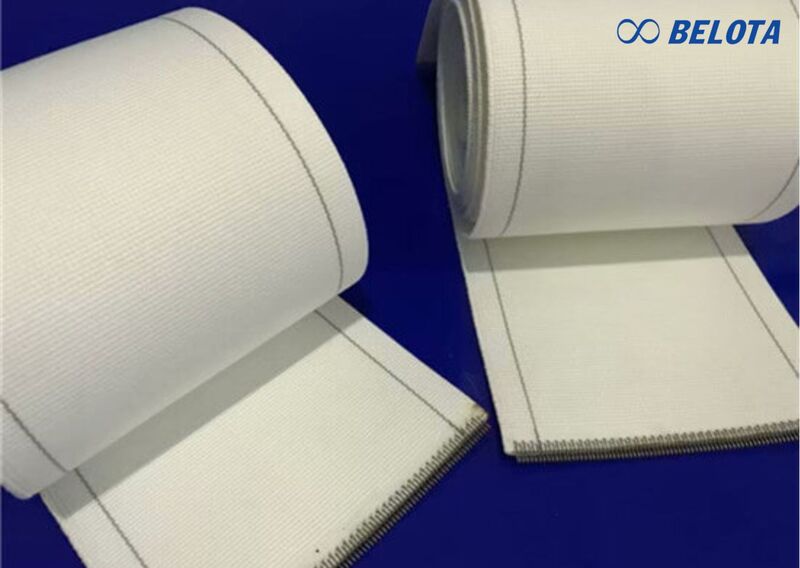
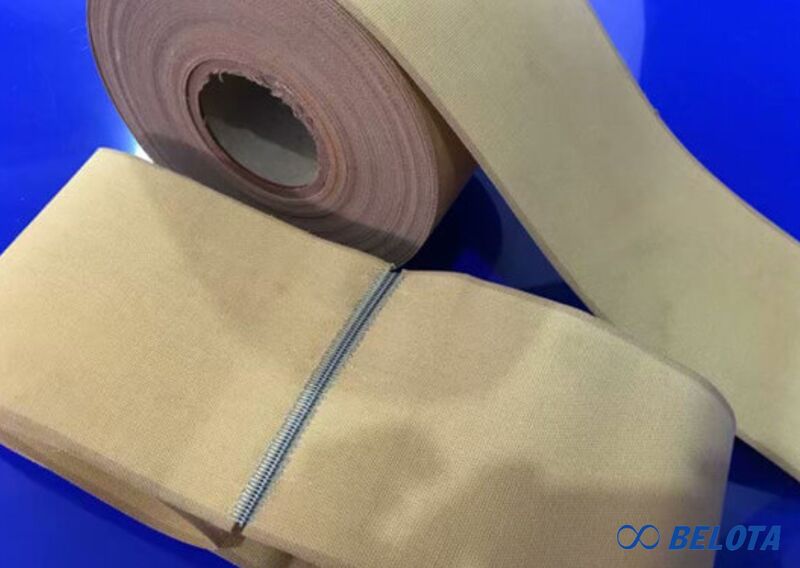
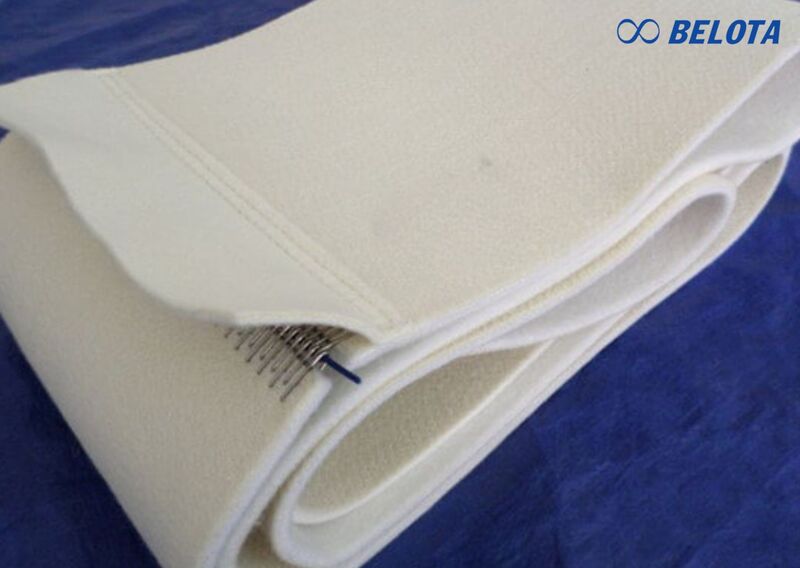
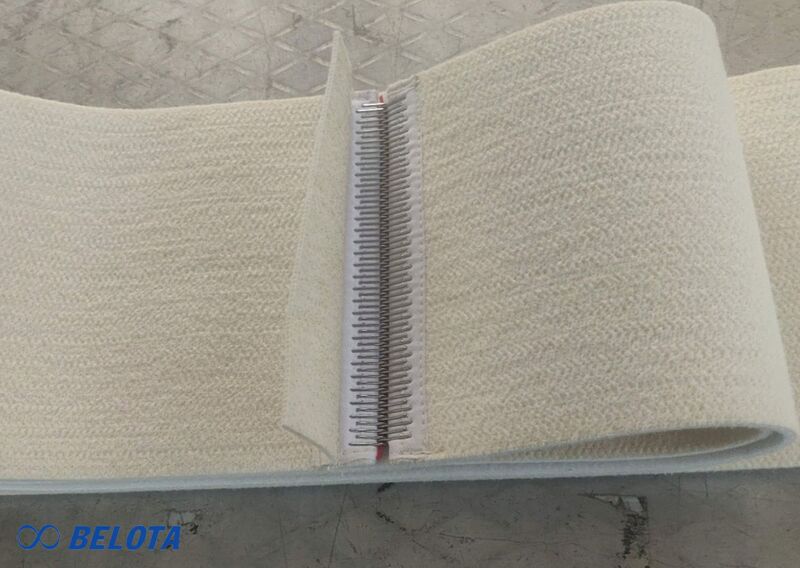
In commercial laundry operations, laundry flatwork ironer belts are essential laundry equipment spare parts that transport linens smoothly through the heated roller, ensuring consistent ironing quality and high production efficiency. Available in a range of materials, heat resistance ratings, and sizes, these belts are widely used in hotels, hospitals, restaurants, commercial laundries, and textile manufacturing facilities. In this guide, Belota explores their construction, technical specifications, key advantages, common types, and how to choose the right belt for your ironing system.
What Are Laundry Flatwork Ironer Belts?
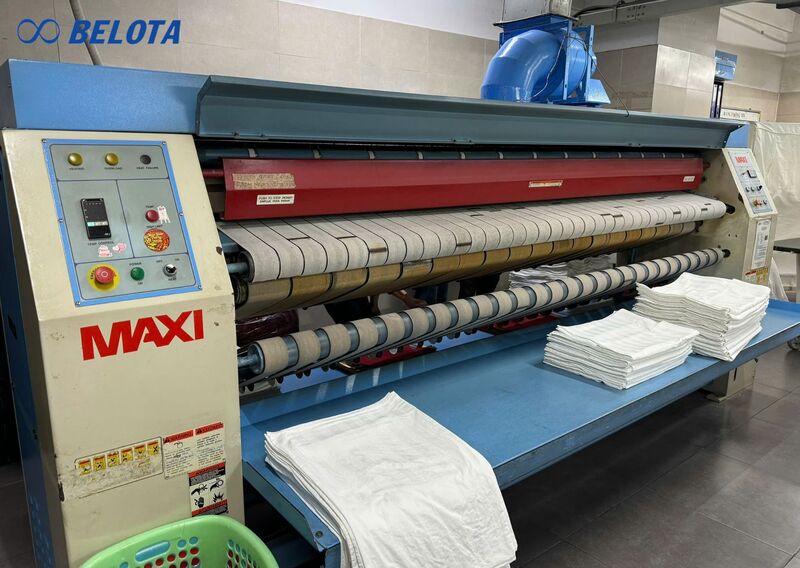
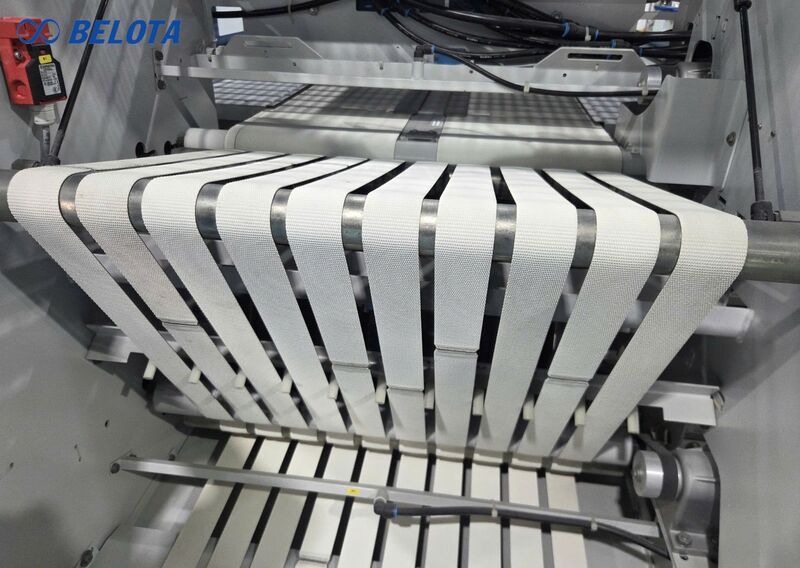
Laundry Flatwork Ironer Belts are specialized conveyor belts installed on flatwork ironers to continuously transport sheets, pillowcases, towels, table linens, uniforms, and other textiles through the heated ironing zone. As one of the most important laundry spare parts, they help improve ironing quality, increase productivity, and ensure reliable machine performance.
For optimal ironing performance, Laundry Flatwork Ironer Belts are commonly used together with Flatwork Ironer Felts Laundry Padding. While the belt feeds the fabric through the machine, the padding provides even heat distribution, efficient moisture release, and consistent pressure, resulting in superior finishing quality and extended machine service life.
Construction of Laundry Flatwork Ironer Belts
Designed for continuous operation in demanding commercial laundry environments, Laundry Flatwork Ironer Belts typically consist of the following components:
- Main belt material: Nomex (Meta Aramid), Polyester, or Nomex + Polyester for excellent heat resistance, wear resistance, and durability.
- Reinforced backing: Selected models feature a 100% Nomex backing fabric to improve dimensional stability and reduce stretching.
- Anti-static fibers (optional): Integrated into high-temperature belts to minimize static electricity during operation.
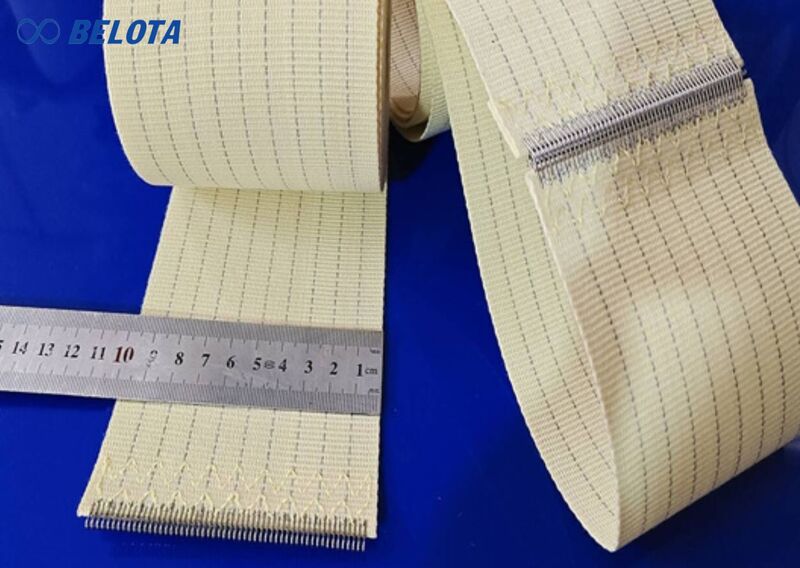
- Belt fasteners: Installed using dedicated laundry belt fasteners and stainless steel pins for quick replacement and maintenance.
- Belt surface: Available in felt or woven constructions to provide reliable fabric grip, breathability, and efficient heat transfer.
General Technical Specifications
| Specification | Details |
|---|---|
| Material | Nomex (Meta Aramid), Polyester, Nomex + Polyester, Kevlar with anti-static fibers (depending on model) |
| Density | 500–1,600 gsm |
| Thickness | 1–5 mm |
| Width | 75–210 mm |
| Length | Custom-made; selected models available in 100 m rolls |
| Working Temperature | Below 160°C up to 280°C (depending on material) |
| Heating Method | Compatible with steam, electric, thermal oil, and gas-heated flatwork ironers |
| Compatible Machines | Jensen, Kannegiesser, Braun Delta, Primus, Speed Queen, Electrolux, Fagor, Wascomat, Image, Tolon, CLM, Sealion, Weishi, Shenguang, LACO, and other industrial flatwork ironers |
| Installation Accessories | Laundry belt fasteners and stainless |
Key Benefits of Laundry Flatwork Ironer Belts
- High heat resistance, with operating temperatures up to 280°C depending on the material.
- Excellent abrasion resistance for longer service life and reduced replacement costs.
- High tensile strength with minimal stretching for stable machine operation.
- Smooth and continuous fabric transportation through the heated roller.
- Breathable construction that promotes rapid moisture release and efficient drying.
- Low shrinkage and excellent dimensional stability under prolonged high-temperature use.
- Compatible with steam, electric, thermal oil, and gas-heated flatwork ironers.
- Available in multiple materials, densities, widths, and custom dimensions.
- Compatible with leading commercial ironing machine brands worldwide.
Common Types of Laundry Flatwork Ironer Belts
100% Nomex (Meta Aramid) Ironer Belt
- Material: 100% Nomex (Meta Aramid)
- Thickness: 2 mm, 3 mm, 5 mm
- Density: 500 gsm (2 mm), 700 gsm (3 mm), 1200 gsm (5 mm)
- Working Temperature: 210–240°C
- Width: 110 mm, 150 mm, 190 mm, 200 mm, 205 mm, 210 mm
- Features: Excellent breathability; 2 mm version can also serve as a belt fastener cover.
- Suitable for: Thermal oil ironers such as Speed Queen, Braun Delta, Kannegiesser, Jensen, LACO, Image, and Tolon.
75% Nomex + 25% Polyester Ironer Belt
- Material: 75% Nomex + 25% Polyester with 100% Nomex backing
- Thickness: Approximately 5 mm
- Density: 1500 gsm
- Working Temperature: 200–220°C
- Width: 110–210 mm
- Features: Excellent dimensional stability and extended service life.
- Suitable for: Steam, electric, and thermal oil flatwork ironers.
Chicago Ironer Belt
- Material: Aramid fiber
- Color: Brown
- Thickness: 1 mm
- Density: 600 gsm
- Working Temperature: Approximately 200°C
- Width: 150 mm (6")
- Suitable for: Chicago ironing machines.
Woven Polyester Ironer Belt
- Material: Woven polyester
- Thickness: Approximately 2.5 mm
- Density: 1600 gsm
- Working Temperature: Below 160°C
- Width: 75 mm, 90 mm, 100 mm, 150 mm, 200 mm
- Suitable for: Chinese-made flatwork ironers including Shenguang, CLM, Weishi, and Sealion.
High-Temperature Woven Nomex Belt
- Material: 100% Kevlar with anti-static fibers
- Density: 700 gsm
- Width: 98 mm (4")
- Length: 100 m/roll
- Working Temperature: Up to 280°C
- Features: Excellent abrasion, acid, and alkali resistance, high tensile strength, dimensional stability, and long service life.
- Suitable for: High-speed Chinese flatwork ironers.
Applications of Laundry Flatwork Ironer Belts
Laundry Flatwork Ironer Belts are widely used in commercial laundry systems for transporting and ironing a variety of textile products, including:
- Flatwork ironers
- Bed sheet ironing lines
- Hotel towel ironing systems
- Hospital linen finishing
- Restaurant table linen processing
- Fabric feeding systems
- Industrial pressing equipment
- Automated commercial laundry lines
They are compatible with leading brands such as Jensen, Kannegiesser, Braun, Primus, IPSO, Speed Queen, Electrolux, Fagor, Image, Tolon, Lavamac, Wascomat, CLM, and many other industrial ironing machines.
How to Choose the Right Laundry Flatwork Ironer Belts
Selecting the correct belt is essential for reliable performance and long-term durability. Consider the following factors:
- Heating source (steam, electric, or thermal oil)
- Required operating temperature
- Machine pressure and load
- Belt width, length, and thickness
- Operating speed
- Daily production volume and operating hours
Choosing the right material and specifications helps improve ironing quality, reduce maintenance costs, minimize downtime, and extend equipment life.
Why Choose Belota for Laundry Flatwork Ironer Belts?
Belota supplies premium-quality Laundry Flatwork Ironer Belts in a wide range of materials, densities, and custom sizes to suit different commercial laundry systems. Our products are compatible with leading brands including Jensen, Kannegiesser, Primus, Electrolux, Fagor, and Wascomat, delivering reliable performance, excellent heat resistance, and long service life.
We provide tailored solutions for hotels, resorts, hospitals, commercial laundries, and textile manufacturers throughout Vietnam. Our services are especially popular in major hospitality destinations such as Ho Chi Minh City, Da Nang, Nha Trang, Phu Quoc, Vung Tau, Phan Thiet, Quy Nhon, Hoi An, Hue, Ha Long, and Can Tho, where professional laundry operations demand dependable ironing equipment. Belota also offers technical consultation, custom manufacturing, and fast nationwide delivery.
Conclusion
Laundry Flatwork Ironer Belts play a critical role in the performance, ironing quality, and service life of commercial flatwork ironing systems. Choosing the right belt based on material, heat resistance, dimensions, and operating conditions helps maximize productivity, reduce maintenance costs, and ensure consistently high-quality finishing. If you are looking for Laundry Flatwork Ironer Belts or other commercial laundry components such as Industrial Ironer Padding, Belota is ready to provide expert consultation, custom manufacturing, and reliable solutions tailored to your specific ironing equipment and operational requirements.