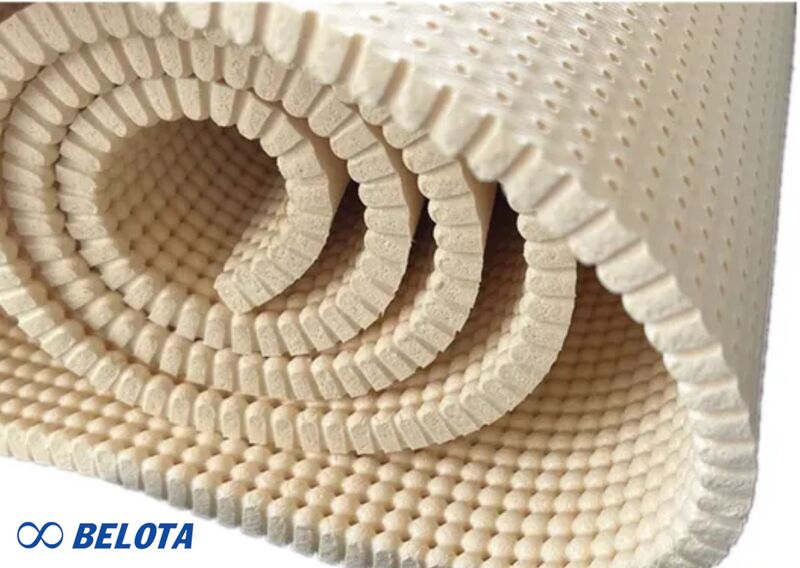
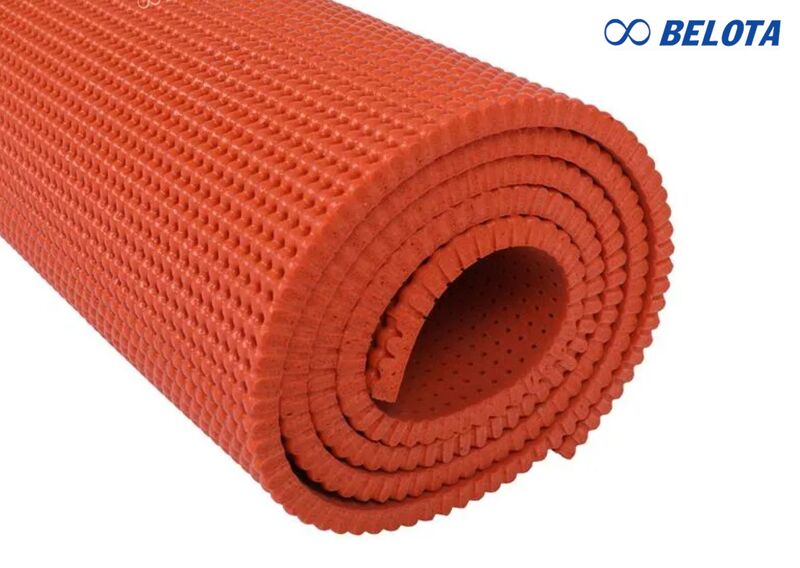
Perforated Silicone Foam is a specialized material used as a cushioning layer for steam ironing tables, vacuum ironing tables, and heat presses in the garment industry. Made from silicone, it offers heat resistance, elasticity, and breathability, helping distribute steam evenly during ironing. Its porous structure allows steam to pass through the ironing surface while providing a cushioning layer that helps protect garments and the underlying materials. This makes it an important accessory for improving the performance of steam ironing equipment and garment pressing machines.
What Is Perforated Silicone Foam?
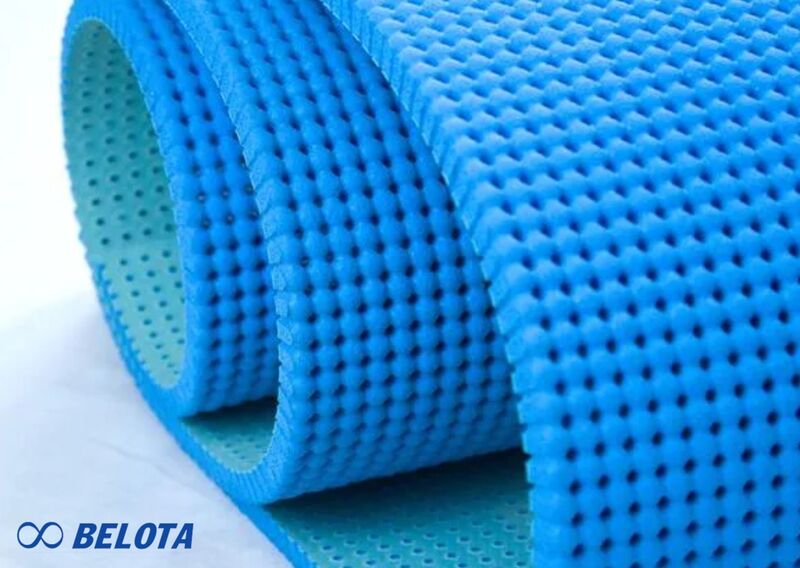
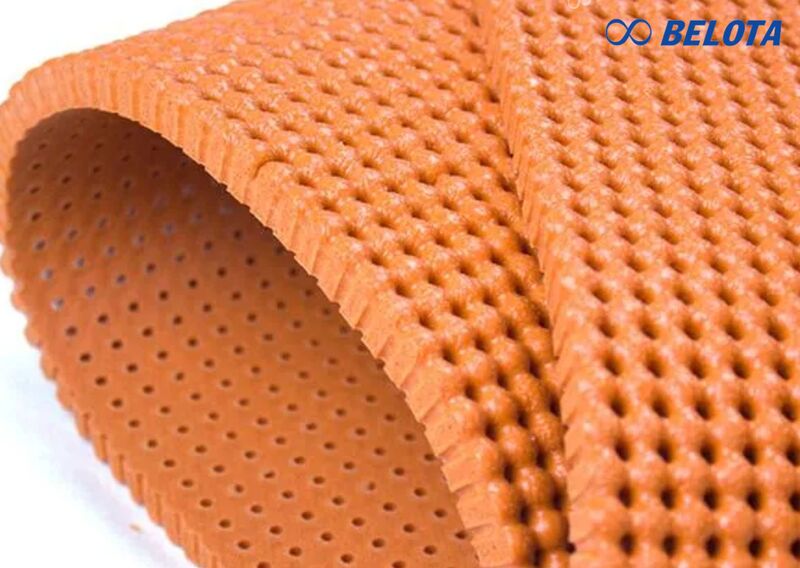
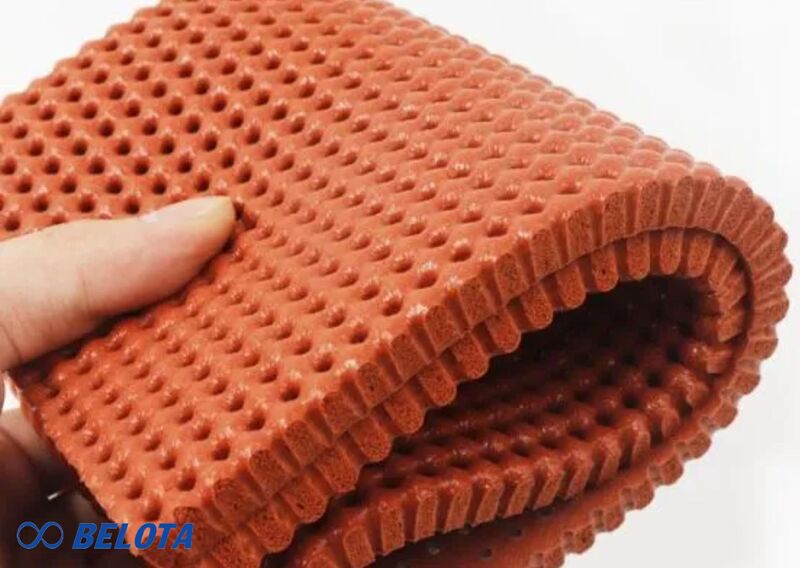
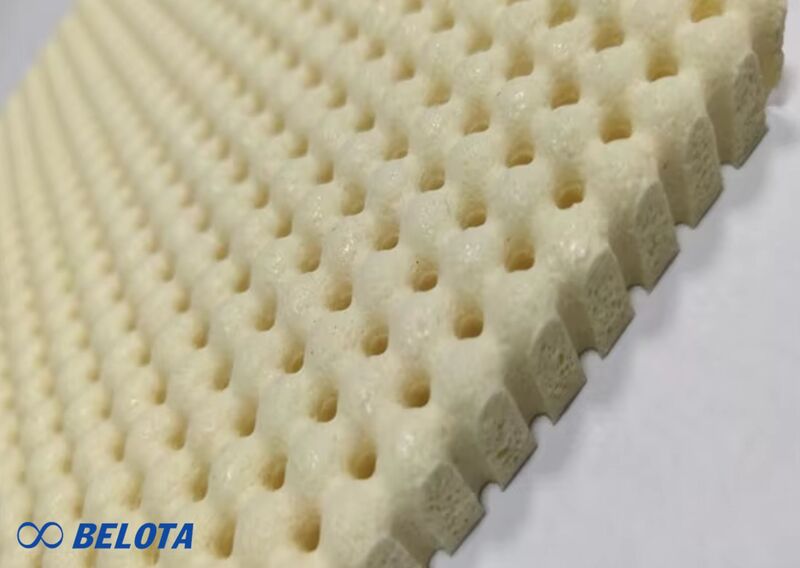
Perforated Silicone Foam is an elastic material made from silicone, featuring a porous structure that allows air and steam to pass through. The foam contains small holes that facilitate airflow during operation.
Unlike conventional foam materials, silicone foam offers good heat resistance and can maintain its elasticity under elevated temperatures when used within its specified operating limits. It is commonly installed on ironing tables or combined with other cushioning layers to form a complete padding system for vacuum ironing tables and steam presses.
Structure of a Steam Ironing Table Padding System
A steam ironing table or specialized pressing machine may use several layers of materials combined to achieve the required cushioning and airflow. Depending on the equipment design, the structure may include:
- Outer cover fabric: Contacts the garment directly and allows air to pass through.
- Silicone foam layer: Provides cushioning and supports steam distribution.
- Additional foam or cushioning material: Improves softness and load distribution.
- Perforated mesh or airflow surface: Helps steam and air circulate through the padding system.
Using the correct combination of layers helps maintain stable equipment performance and improve ironing quality.
Technical Specifications of Perforated Silicone Foam
Perforated silicone foam is available in different dimensions, thicknesses, and hardness levels to suit various equipment requirements.
| Specification | Common Options |
|---|---|
| Length | 1,800 mm |
| Width | Approximately 900 - 920 mm |
| Thickness | 4 mm, 6 mm, 8 mm, 10 mm |
| Colors | Red, beige, blue, and other colors |
| Hardness | Approximately 5 - 33 Shore A |
| Material | Silicone |
| Structure | Porous, perforated foam |
| Applications | Steam ironing tables, vacuum ironing tables, and presses |
Actual specifications may vary depending on the product range and equipment requirements. When ordering, provide the ironing table dimensions and required foam thickness to ensure the correct size is selected.
Key Features of Perforated Silicone Foam
Perforated silicone foam has several properties that make it suitable for ironing applications involving heat and steam:
- Heat resistance: Suitable for use under the elevated temperatures encountered in steam ironing equipment and pressing machines, within the material's specified temperature limits.
- Elastic cushioning: Installed beneath the padding and industrial ironing table cover fabric, the silicone foam creates a cushioned surface that supports garment smoothing and shaping.
- Breathability: The perforations allow steam and air to circulate through the material.
- Steam distribution: Supports more even steam flow across the ironing surface.
- Durability: Silicone offers good resistance to aging when used under appropriate operating conditions.
- Low odor: Quality silicone foam generally produces minimal odor during normal use.
- Easy installation: Can be cut to fit the dimensions of an ironing table or pressing machine.
- Multiple hardness options: Available in different hardness levels, from soft cushioning to firmer support.
Applications of Perforated Silicone Foam for Ironing Tables
- Steam distribution: The perforations allow steam to circulate through the padding layers, supporting more even distribution across the ironing surface.
- Elastic cushioning: Provides a soft, resilient layer that helps smooth and shape garments during ironing.
- Garment protection: The cushioning layer helps distribute pressure and reduce direct mechanical impact on fabrics during ironing.
- Vacuum extraction support: The porous structure allows air and moisture to pass through, supporting moisture removal and garment drying after ironing.
- Steam press applications: Provides a resilient cushioning layer beneath the pressing surface, supporting more consistent pressure distribution during pressing.
Classification of Silicone Foam by Hardness
Perforated silicone foam can be classified into different hardness ranges according to the cushioning and support required.
- Soft Silicone Foam: 5 - 10 Shore A - This type offers a soft feel and high flexibility, making it suitable for applications involving lightweight or delicate fabrics where lower contact pressure is preferred.
- Medium-Hard Silicone Foam: 15 - 21 Shore A - With a balanced combination of softness and support, this range is suitable for standard cushioning applications on ironing tables and steam presses.
- Firm Silicone Foam: 27 - 33 Shore A - This type provides firmer support and better dimensional stability, making it suitable for applications requiring higher pressing pressure, provided the material matches the equipment requirements.
Why Is Perforated Silicone Foam Suitable for Steam Ironing Tables?
During ironing, steam needs to pass efficiently through the different layers of the ironing surface. If the padding is too dense or restricts airflow, steam may not escape effectively, reducing steam distribution or vacuum extraction performance.
Perforated silicone foam features an open structure that facilitates steam and air circulation. Its elasticity also helps maintain cushioning performance over time when the material is selected and operated within its specified limits. These properties make it suitable for steam ironing tables, vacuum ironing tables, and pressing machines used in the garment industry.
How to Install Perforated Silicone Foam on an Ironing Table
Before installation, measure the ironing surface accurately to determine the appropriate foam dimensions.
Step 1: Remove the Old Padding
Remove the cover fabric and any worn cushioning layers from the ironing table. Clean the surface thoroughly before installing the new foam.
Step 2: Measure and Cut the Foam
Place the silicone foam on the table to determine the required dimensions. Cut it to fit the intended area, avoiding excessive overhang along the edges.
Step 3: Position the Foam Correctly
Lay the foam flat on the ironing surface without folds, wrinkles, or rolled edges. If the foam has different surface characteristics on each side, follow the manufacturer's installation instructions.
Step 4: Secure the Foam
Secure the foam using a method compatible with the ironing table design. Avoid excessive stretching, as this may deform the material.
Step 5: Install the Cover Fabric
Once the foam is positioned securely, install and fasten the outer cover fabric. Check the entire surface to ensure it is even and stable before operating the equipment.
Important Considerations When Using Silicone Foam for Ironing Tables
To extend the service life of the material, observe the following precautions during operation:
- Avoid overheating: Do not expose the foam to temperatures exceeding the manufacturer's recommended limits.
- Avoid excessive stretching: Pulling the foam too tightly or installing it incorrectly may shorten its service life.
- Prevent surface damage: Avoid needles, sharp objects, and tools that could puncture or tear the foam.
- Install in the correct orientation: For foam with a designated perforated side or specific surface structure, follow the manufacturer's instructions.
- Use appropriate pressing pressure: Avoid applying more pressure than required for the intended process.
- Inspect regularly: Replace the foam if it becomes hardened, torn, deformed, or less breathable.
When Should Silicone Foam for Ironing Tables Be Replaced?
Over time, silicone foam may wear due to heat, pressure, and frequent operation. The following signs indicate that replacement may be necessary:
- The foam becomes hardened or loses its elasticity.
- The surface develops tears, punctures, or deformation.
- Airflow or steam passage becomes restricted.
- Steam is no longer distributed as evenly as before.
- The padding develops indentations or loses its flat surface.
- Ironing quality declines even though the other machine components are functioning normally.
Replacing the foam at the appropriate time helps maintain ironing performance and minimize the impact on garment quality.
Which Equipment Uses Perforated Silicone Foam?
In addition to steam ironing tables, this material is used in various garment manufacturing and laundry finishing applications, including:
- Steam ironing tables.
- Vacuum ironing tables.
- Steam presses.
- Garment industry heat presses.
- Garment shaping and finishing equipment.
- Pressing tables and other garment finishing machines.
The required thickness and hardness should be selected according to the specific equipment and operating conditions.
Where to Buy Perforated Silicone Foam for Ironing Tables?
When purchasing Perforated Silicone Foam, choose a product with clearly specified dimensions, thickness, hardness, and heat resistance.
Belota supplies perforated silicone foam in various thicknesses, including 4 mm, 6 mm, 8 mm, and 10 mm, with hardness options ranging from soft to firm. These products are suitable for different types of steam ironing tables, vacuum ironing tables, and garment pressing machines.
To receive recommendations on the appropriate specifications, provide the ironing table dimensions, required foam thickness, and type of equipment being used. For equipment with non-standard dimensions, contact Belota in advance to discuss suitable options or custom fabrication requirements.
Conclusion
Perforated Silicone Foam is an important cushioning material for steam ironing tables, vacuum ironing tables, and garment pressing machines. Its heat resistance, elasticity, breathability, and ability to facilitate steam circulation help improve ironing performance, protect garments, and support stable equipment operation. Selecting the appropriate thickness, hardness, and dimensions helps optimize performance and extend the service life of the ironing table padding system.