During the operation of industrial pressing machines, the padding and cover fabric come into direct contact with the pressing surface, affecting heat transfer, steam release, and the quality of the finished garments. When the padding becomes hardened, thin, or the cover fabric deteriorates, garments may develop shine marks, surface impressions, uneven finishes, or reduced vacuum extraction efficiency. Industrial pressing table pads and covers are used to provide a suitable cushioning layer for pressing tables, helping distribute pressure, support steam release, and protect the product surface during pressing.
What Are Industrial Pressing Table Pads and Covers?
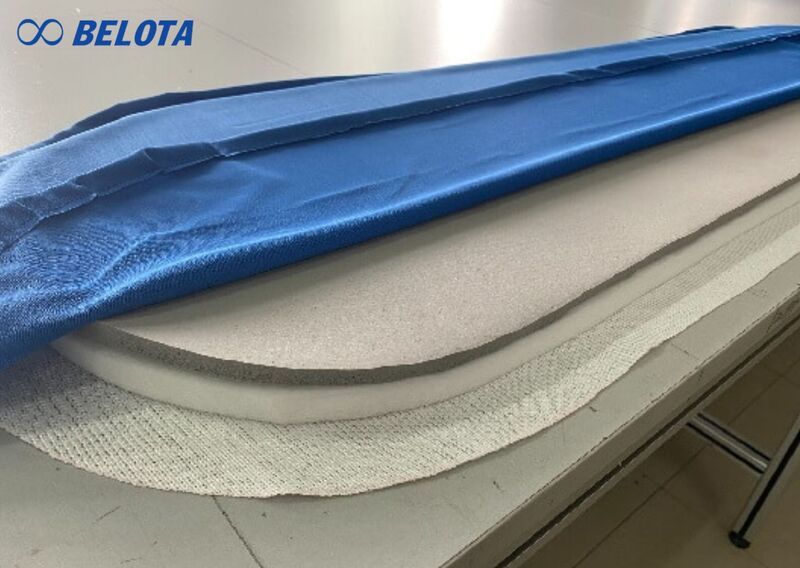
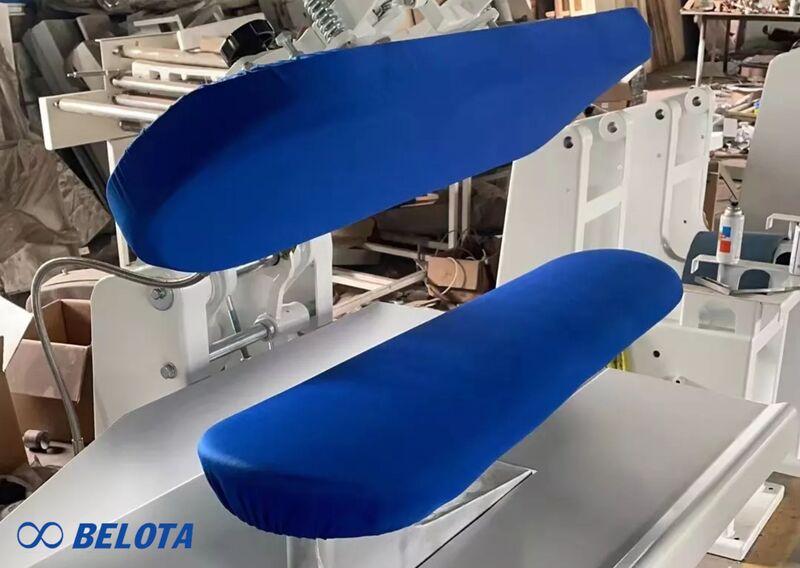
Industrial pressing table pads and covers are industrial laundry supplies installed on industrial pressing tables to create a cushioning layer and protective covering between the pressing surface and garments during pressing, ironing, or textile finishing. Depending on the machine, the structure may consist of multiple layers, such as felt padding, cover fabric, heat-resistant materials, steam-permeable mesh, or metal padding layers.
These materials need to provide a combination of heat resistance, elasticity, steam permeability, and dimensional stability during continuous pressing. Choosing the appropriate material helps maintain a flat pressing surface and reduces direct exposure of the heated pressing surface to the fabric.
Roles of Industrial Pressing Table Pads and Covers
Industrial pressing table pads and covers do more than create a contact layer between the equipment and fabric. They also directly affect the flatness, surface quality, and heat transfer efficiency during pressing.
- Create a stable cushioning surface for pressing.
- Distribute pressing force more evenly across the product surface.
- Support steam release and moisture removal.
- Help minimize impressions on garments.
- Reduce the risk of fabric shine during pressing.
- Reduce direct contact between the product and heated pressing surface.
- Maintain the operating efficiency of the pressing table.
- Help improve the quality of finished garments.
For industrial laundries operating continuously, the padding and cover fabric should be inspected regularly to identify signs of hardening, thinning, tearing, or deformation.
Types of Industrial Pressing Table Pads and Covers
Depending on the machine design and operating temperature, different types of padding and cover materials can be selected.
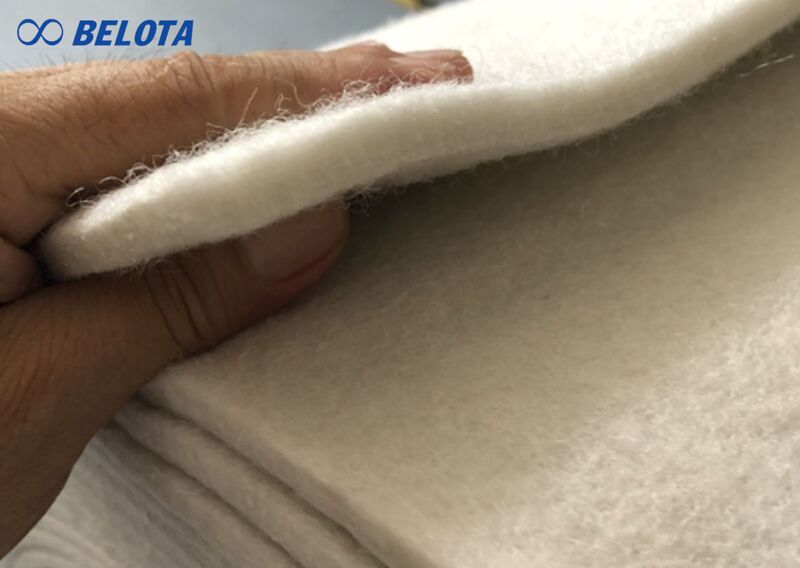
Polyester Felt Pressing Table Pad
Polyester felt is commonly used as a padding material for industrial laundry equipment. It provides elasticity to the pressing surface, helps distribute pressure, and reduces the possibility of surface impressions on garments.
Some common specifications include:
- Material: Polyester.
- Width: 1 m, 1.5 m.
- Reference operating temperature: Approximately 160°C.
- Applications: Ironing machines, pressing tables, and industrial laundry equipment.
Depending on the machine type and pressing table structure, different felt thicknesses and weights can be selected.
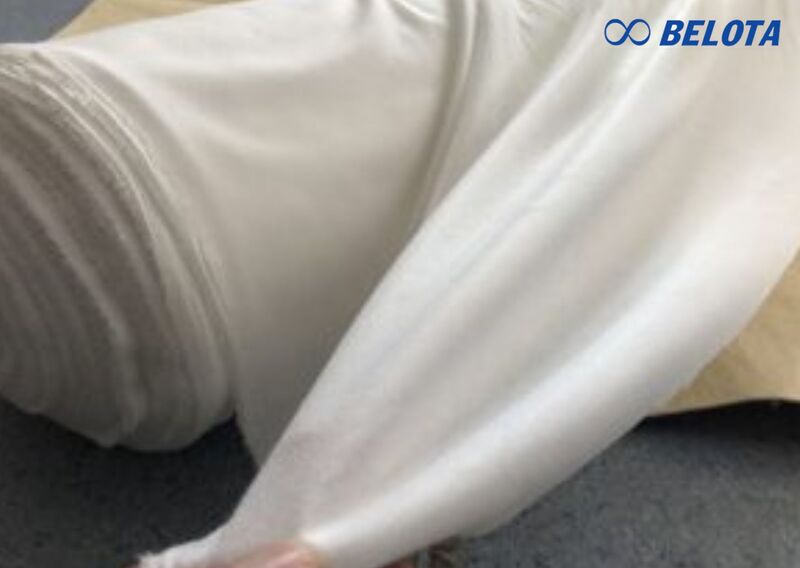
Heat-Resistant Nomex Fabric
Nomex fabric is used for applications requiring higher heat resistance, particularly on high-speed ironing equipment and industrial pressing machines. The material can maintain its stability under high-temperature conditions and is suitable for use as a covering or padding layer in areas frequently exposed to heat and steam.
Polyester Cover Fabric
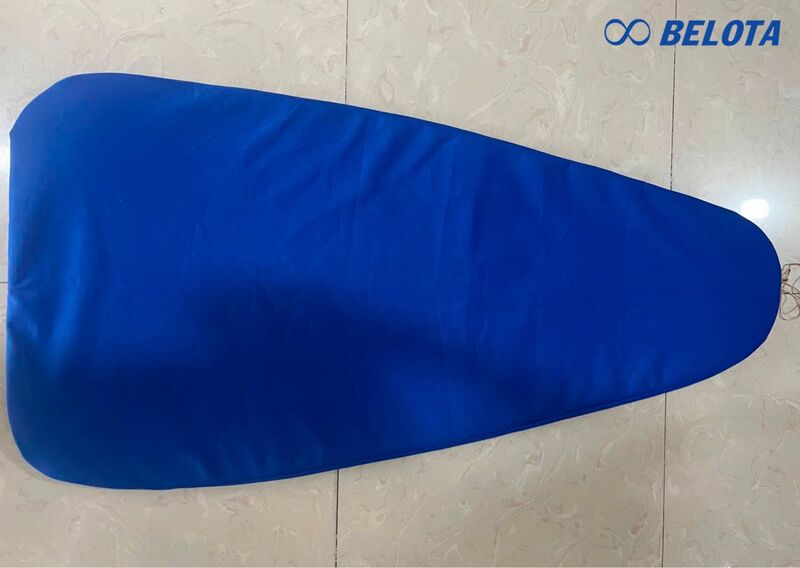
Polyester cover fabric is used as the outer covering layer of pressing table padding. The material provides a suitable surface for contact with garments and can be selected according to the dimensions and structure of each pressing table. When combined with a felt padding layer underneath, the cover fabric helps create a stable working surface and supports garment protection during pressing.
Aramid Cover Fabric
Aramid fabric is suitable for applications requiring high heat resistance and durability. It can be used as a covering layer or incorporated into the padding structure of industrial pressing machines. For machines operating at high temperatures or under continuous-duty conditions, selecting the appropriate Aramid fabric according to the equipment specifications helps maintain covering stability during operation.
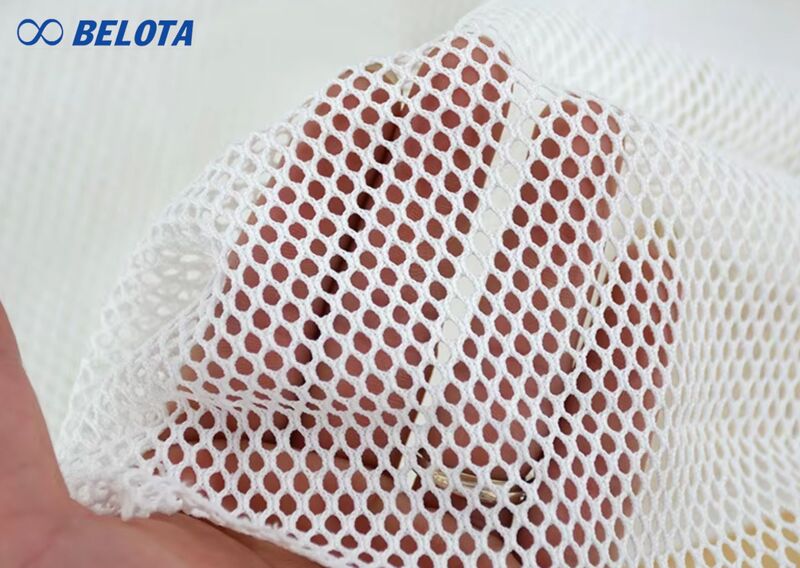
Heat-Resistant Mesh Fabric for Pressing Tables
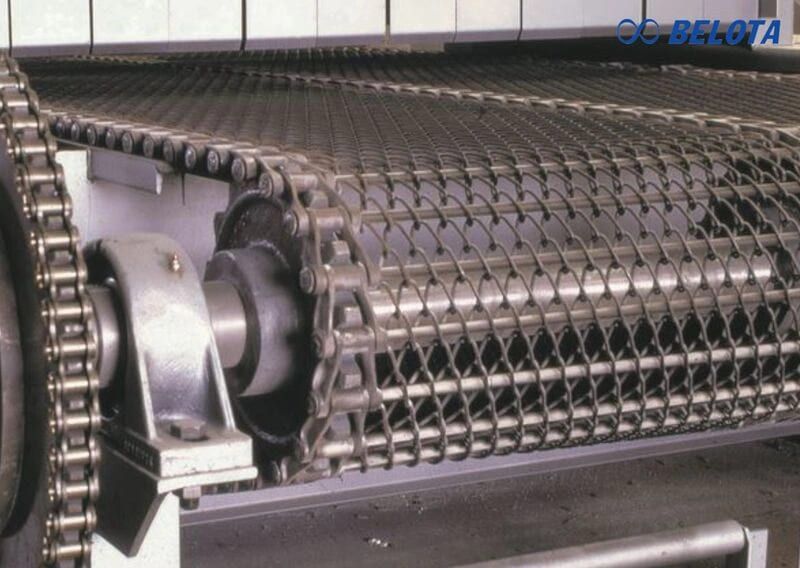
In addition to felt and cover fabrics, heat-resistant mesh fabric can also be used as part of a pressing table padding structure. Its mesh construction creates open spaces that allow steam and heat to circulate through the material.
This feature is particularly useful for pressing tables equipped with vacuum extraction systems, where steam release and moisture removal directly affect operating efficiency. Heat-resistant mesh fabric can be used as a lining layer or combined with other materials to create a suitable padding system for each pressing table.
When Should Pressing Table Pads and Covers Be Replaced?
After prolonged use, padding and cover fabrics may become compressed, hardened, thinner, or less effective at releasing steam. At this point, the materials should be inspected and replaced if necessary. Common signs that indicate replacement may be required include:
- The fabric surface is no longer flat after pressing.
- Shine marks or surface impressions appear.
- Steam is released unevenly.
- Vacuum extraction performance decreases.
- The padding becomes compressed or loses elasticity.
- The cover fabric is torn, burned, or deformed.
- The pressing surface is no longer even during operation.
Replacing the padding and cover with the correct type helps maintain equipment performance while minimizing its impact on finished product quality.
Belota Supplies Industrial Pressing Table Pads and Covers
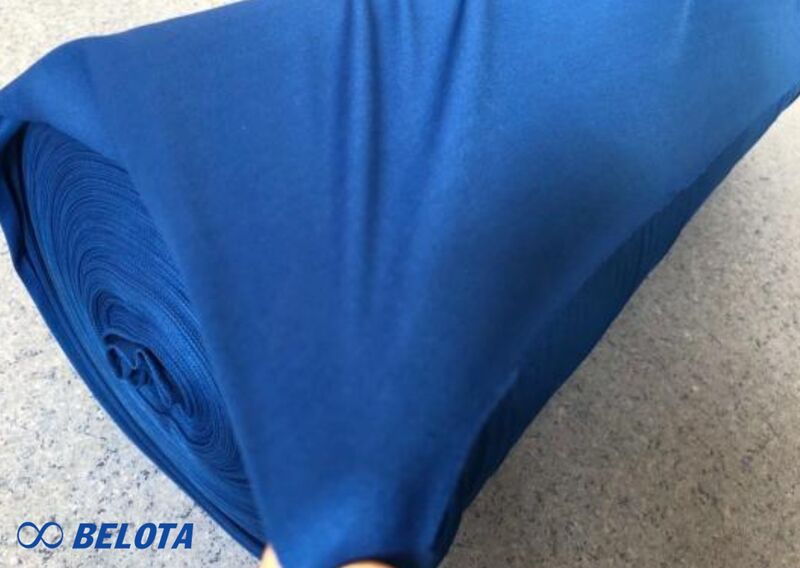
Belota Co., Ltd. supplies industrial pressing table pads, felt materials, and cover fabrics for industrial laundries, garment factories, hotels, hospitals, and industrial pressing systems. Depending on the equipment, we can recommend Polyester felt, Nomex fabric, Polyester fabric, Aramid fabric, heat-resistant mesh fabric, pressing pads, and steam-permeable padding materials according to the application requirements.
Customers can provide the machine name, pressing table dimensions, current padding type, operating temperature, or actual photos for Belota to check and recommend a suitable material. We support cutting to size, supplying materials in rolls, and custom processing to meet replacement and maintenance requirements for industrial ironing and pressing systems.
Price of Industrial Pressing Table Pads and Covers
The price of pressing table pads and covers depends on the material type, weight, dimensions, heat resistance, product structure, and order quantity. For felt, cover fabric, or roll materials, pricing may be calculated by meter or by roll. For padding sets, pressing pads, or cover fabrics processed according to machine dimensions, the cost also depends on cutting specifications and processing requirements.
To receive an accurate quotation and application advice, customers should provide the following information:
- Ironing or pressing machine name or model.
- Pressing table dimensions.
- Type of material to be replaced.
- Required width and length.
- Operating temperature.
- Required quantity.
- Photos of the existing padding or cover fabric.
Conclusion
Industrial pressing table pads and covers are important materials in pressing systems, helping create a stable working surface, support steam release, and reduce the direct impact of heat on products. Depending on the operating temperature and machine structure, businesses can select Polyester felt, Nomex, Aramid, Polyester fabric, heat-resistant mesh fabric, or other specialized padding materials. Belota provides consultation and supplies materials according to machine type, dimensions, and actual application requirements.