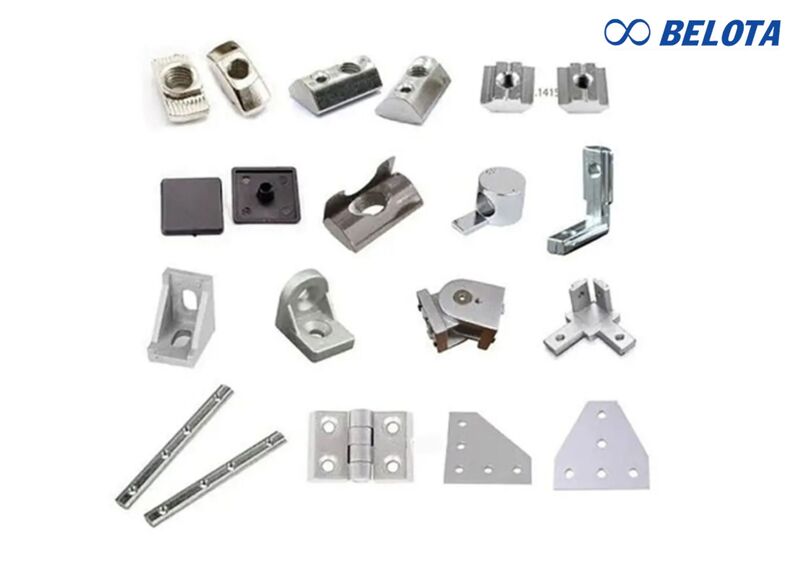
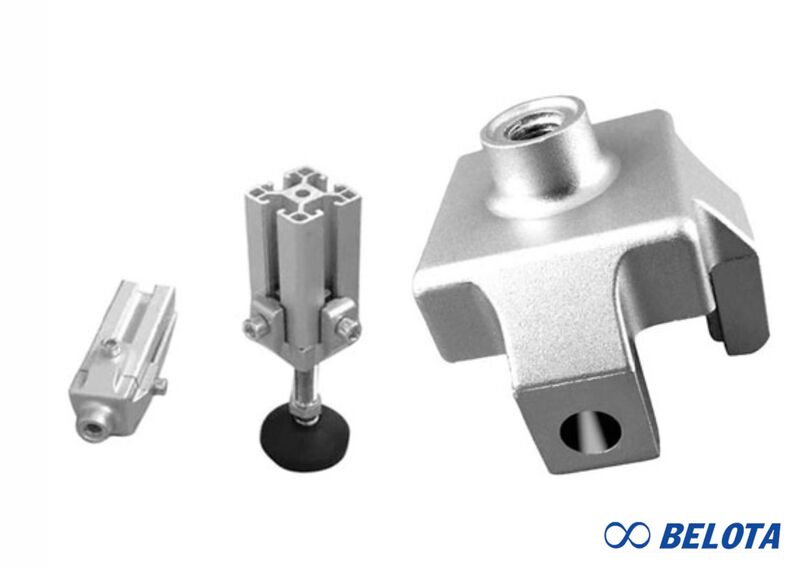
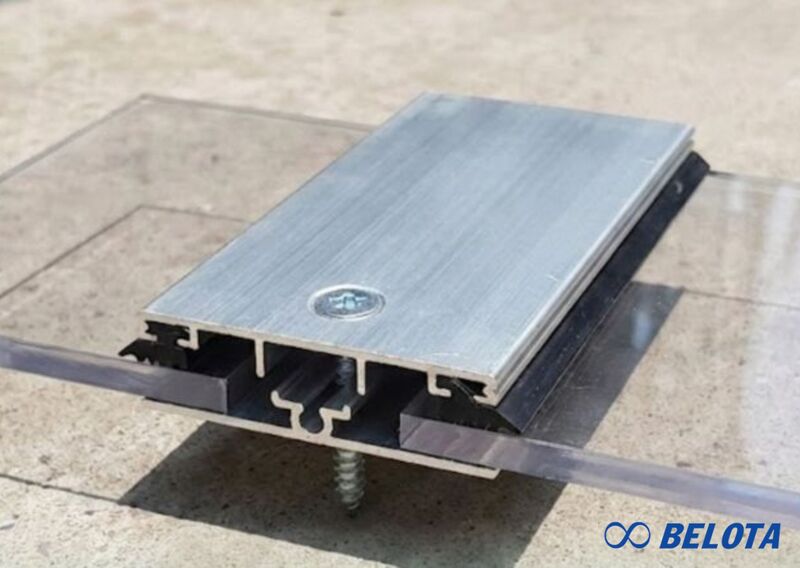
Aluminum profile accessories come in many types, including corner brackets, profile nuts, T-slot nuts, adjustable feet, hinges, joining plates, and end caps. Depending on the aluminum profile and the structure being assembled, the right industrial accessories should be selected based on size, connection method, and load capacity to ensure that machine frames, conveyors, workbenches, and racks are strong, easy to assemble, and adjustable. This article helps you distinguish different types of accessories, understand their functions, and choose the right products before purchasing.
What Are Aluminum Profile Accessories?
Aluminum profile accessories are components and mechanical parts used to connect, secure, adjust, and finish aluminum profiles when assembling machine frames, conveyors, workbenches, racks, and other industrial structures. Instead of permanently welding the profiles, components such as corner brackets, bolts, nuts, profile nuts, and T-slot nuts can be installed directly into the aluminum profiles, particularly through the T-slot, making the structure easier to disassemble and adjust when the design needs to be modified.
Benefits of Using Aluminum Profile Assembly Accessories
Aluminum profile assembly accessories allow aluminum profiles to be connected quickly while creating strong structures that are easy to adjust. Key benefits include:
- Fast assembly: Corner brackets, profile nuts, bolts, and nuts connect profiles without welding.
- Easy adjustment: T-slot nuts and sliding connectors allow accessory positions to be changed according to the actual structure.
- Easy disassembly: Components can be removed, repaired, modified, or reused when necessary.
- Stable structures: Adjustable feet, corner brackets, and joining plates improve the stability of machine frames, conveyors, and racks.
- Flexible expansion: Additional profiles, equipment, casters, or other conveyor accessories can be added easily.
- Better finishing: End caps, rubber seals, and other finishing accessories make the structure cleaner and more complete.
Common Types of Aluminum Profile Accessories
Aluminum Profile Corner Brackets
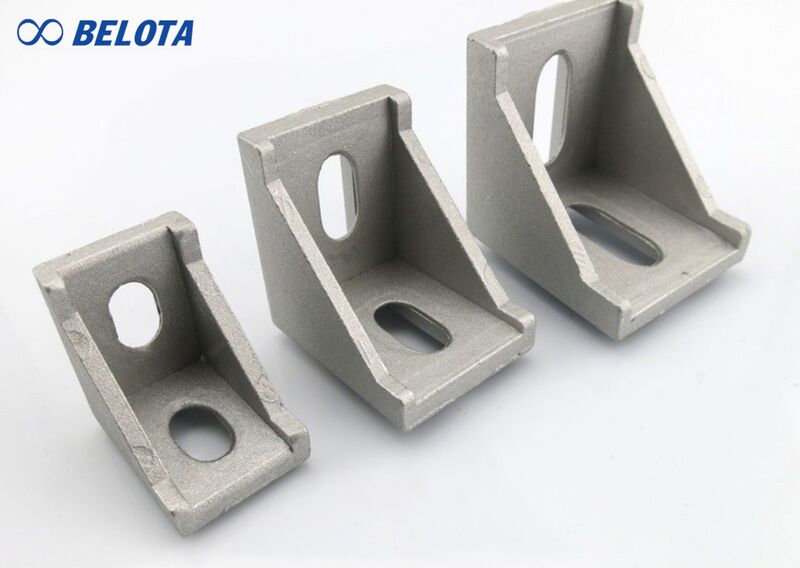
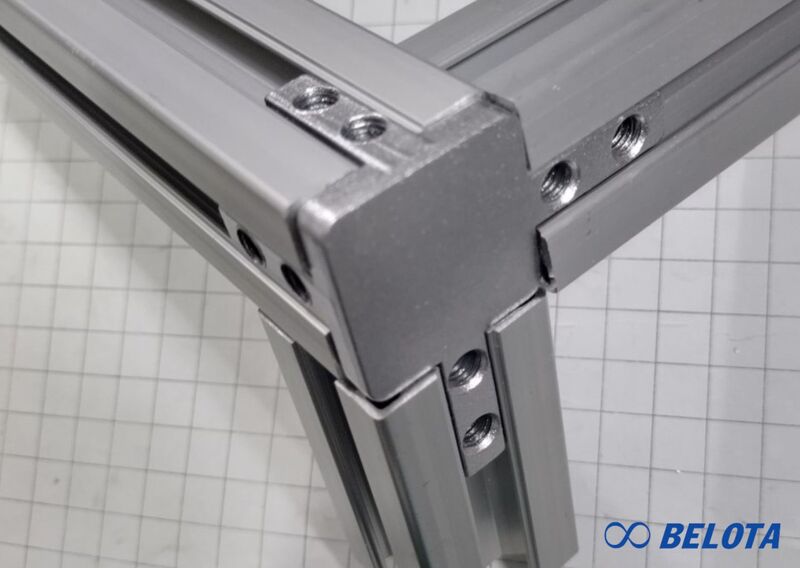
Corner brackets are used to connect aluminum profiles at intersecting points, most commonly at right angles. They can be combined with bolts, nuts, or profile nuts to strengthen the frame. L brackets, 3D brackets, and hidden connection brackets are available for different structural and aesthetic requirements.
Profile Nuts and T-Slot Nuts
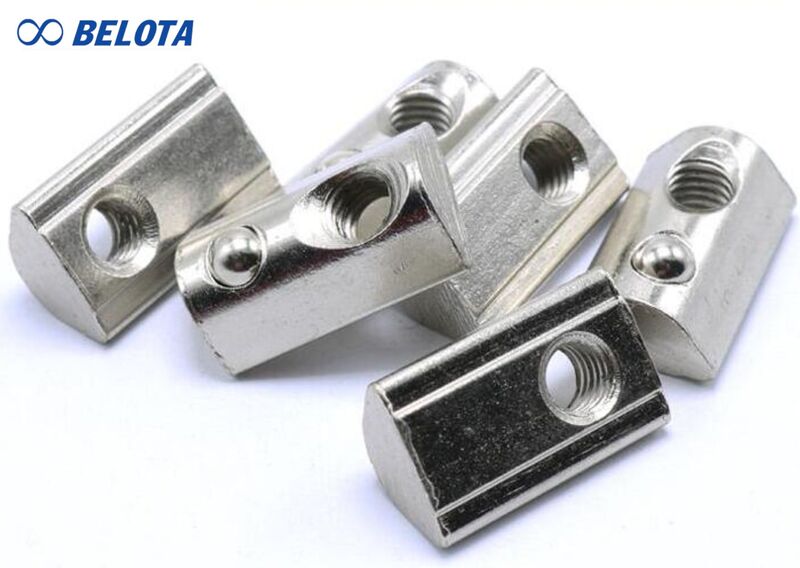
Profile nuts, sliding nuts, and T-slot nuts are installed in the grooves of aluminum profiles to secure components, equipment, or accessories to the frame. These accessories can slide to the required position before tightening, making them convenient for structural adjustments or modifications.
Bolts and Nuts
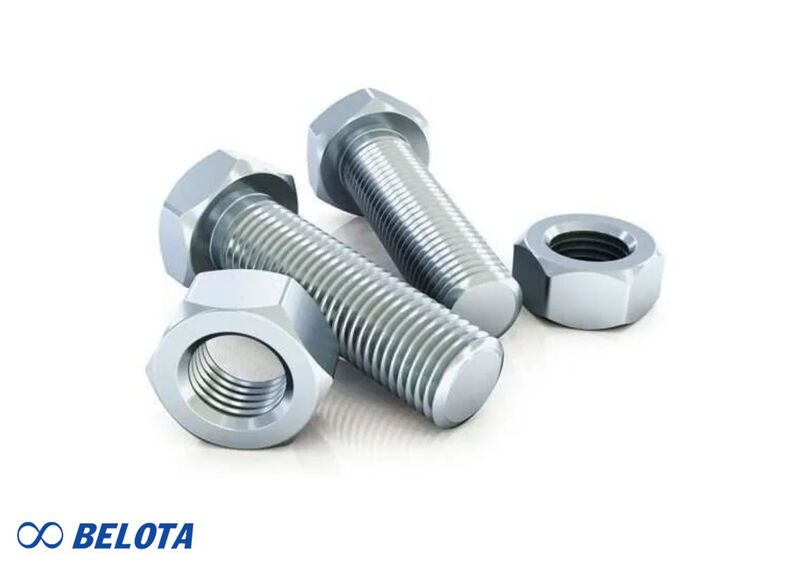
Bolts and nuts are basic connection components used in aluminum profile systems. They are commonly combined with corner brackets, profile nuts, or joining plates. The bolt size and nut type should match the profile groove and cross-section to ensure a secure connection.
Joining Plates and Connection Components
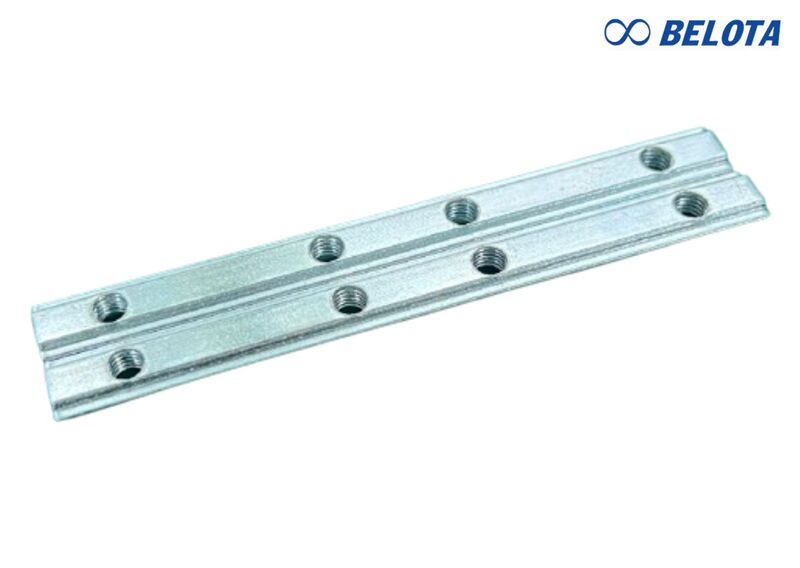
Joining plates are used to connect two or more aluminum profiles, particularly when profiles need to be joined on the same plane. Depending on the structure, joining plates can have T, L, or X shapes, providing additional connection strength without welding.
Adjustable Feet and Casters
Adjustable feet are used to level, stabilize, and adjust the height of machine frames, workbenches, or racks. Casters are suitable for structures that need to be moved, such as carts, workbenches, and storage racks. When selecting casters, consider the total load of the frame and products, as well as wheel diameter, wheel material, load capacity, and floor conditions.
Hinges, Handles, and Opening Accessories
Hinges, handles, and locks are commonly installed on machine cabinet doors, protective frames, and other components that require opening and closing. Depending on the design, these accessories can be installed directly into the aluminum profile groove, reducing the need for additional drilling or machining. For machine doors, hinges should be selected based on door size, panel weight, and opening frequency to ensure stable operation.
Glass Clamps, Rubber Seals, and Panel Mounting Accessories
This group of accessories is used to secure glass, acrylic, polycarbonate, or plastic panels to aluminum frames. Clamps and seals should be selected according to panel thickness, groove dimensions, and aluminum profile type to keep the panel firmly in place and reduce vibration or movement.
In addition, aluminum profile end caps are commonly used to cover the ends of profiles, improve the overall appearance of the frame, and prevent dust from entering the profile.
Industrial Applications of Aluminum Profile Accessories
Machine Frames and Equipment
Aluminum profile accessories are used to assemble machine frames, protective frames, equipment supports, and safety enclosures in production lines. The modular structure is suitable for systems where equipment positions frequently need to be changed or additional components need to be added.
Workbenches and Racks
Corner brackets, adjustable feet, casters, and connection accessories are used in industrial workbenches, component storage racks, material racks, and carts. The appropriate aluminum profile and accessory specifications can be selected based on the required load capacity.
Conveyor Systems
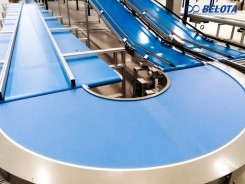
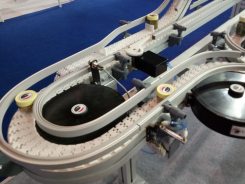
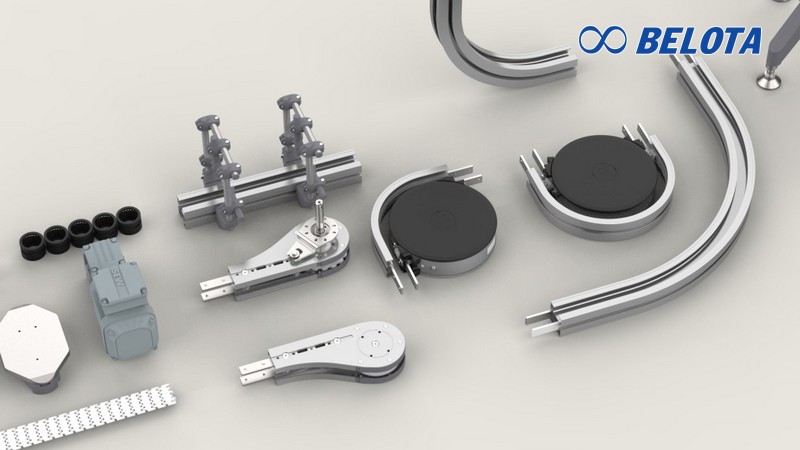
In conveyor systems, aluminum profile accessories are used for conveyor frames, support legs, product guide rails, sensor brackets, and auxiliary equipment mounting points. Connection points must provide sufficient rigidity and maintain frame squareness to minimize alignment problems during operation.
Safety Enclosures and Machine Cabinets
Aluminum profiles combined with panel clamps, rubber seals, hinges, and handles can be used to create acrylic, glass, or polycarbonate enclosures, protective doors, and machine cabinet frames. This assembly method makes it easier to remove panels for equipment inspection and maintenance.
How to Choose the Right Aluminum Profile Accessories
Identify the Aluminum Profile Size
Aluminum systems such as 2020, 3030, 4040, and 4080 have different profile and groove dimensions. Therefore, the exact profile series should be identified before selecting corner brackets, T-slot nuts, bolts, or panel mounting accessories.
Do not rely only on the outer dimensions of the aluminum profile, as profiles with the same external dimensions may have different groove structures and connection specifications.
Check Groove Dimensions and Thread Specifications
The T-slot determines the compatibility between the aluminum profile and its accessories. Check the groove width, T-slot nut type, thread diameter, and thread pitch when selecting components. An incorrect specification may prevent the nut from sliding into the groove or the bolt from being properly tightened.
Determine Load Capacity and Operating Conditions
Machine frames, workbenches, and storage racks have different load requirements. For load-bearing structures or systems exposed to frequent vibration, consider bracket dimensions, accessory thickness, the number of connection points, and the arrangement of the joints.
Consider the Operating Environment
For areas with high humidity, dust, frequent cleaning, or corrosion-resistance requirements, choose accessory materials that are suitable for the operating environment. In specialized production environments, also consider the materials of bolts, brackets, casters, and other components that come into direct contact with the surrounding conditions.
Plan the Required Quantity
When preparing the material list, calculate the required quantity of corner brackets, T-slot nuts, bolts, adjustable feet, casters, hinges, handles, and panel mounting accessories for each position shown on the drawing. Preparing the list before fabrication and assembly helps prevent missing components during installation.
Frequently Asked Questions
Should I Use Corner Brackets or Hidden Connections for Aluminum Profiles?
If easy installation, adjustment, and maintenance are the priorities, corner brackets are a common choice. Hidden connections provide a cleaner appearance but generally require more precise machining. For machine frames or structures that require frequent disassembly, the connection method should be considered during the design stage.
Can Aluminum Profile Accessories Be Removed and Reinstalled?
Yes. Aluminum profile systems use bolted connections, allowing components to be removed when the structure needs to be modified or expanded. After repeated disassembly, check the threads, bolts, nuts, and contact surfaces of the joints to ensure that the frame remains secure.
Are Aluminum Profile Accessories Compatible with All Aluminum Profiles?
No. Different aluminum profiles have different groove dimensions and connection specifications. When purchasing accessories, check the profile size, groove width, thread type, and bolt dimensions to avoid selecting incompatible components.
Conclusion
Aluminum profile accessories are suitable for various industrial structures such as machine frames, workbenches, equipment supports, and conveyor systems. Selecting the correct specifications helps create strong structures that are easy to install and adjust. Belota specializes in industrial transmission equipment, conveyor systems, and aluminum profile accessories for various production requirements. Contact Belota for advice on selecting the right products for your application.