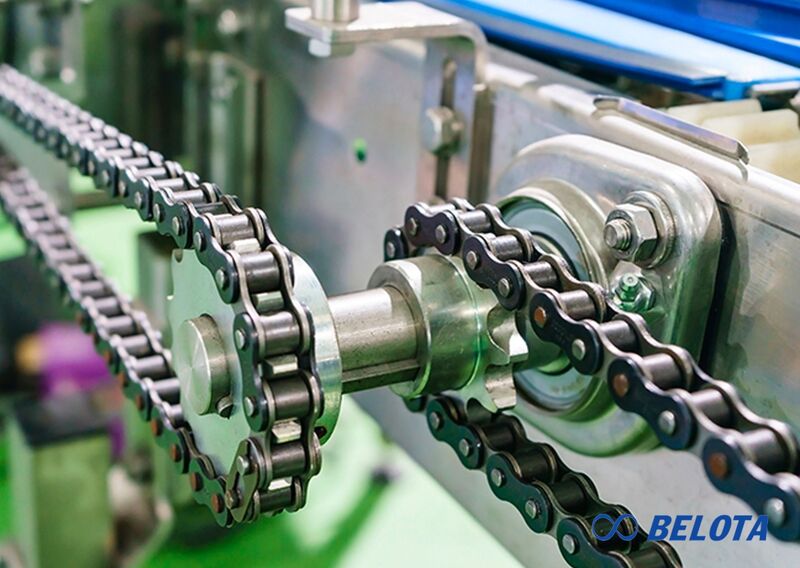
Drive chains must maintain proper engagement with sprockets throughout operation. When lubrication is insufficient or the wrong type of oil is used, pins and bushings wear rapidly, causing chain elongation. Industrial chain lubricants should be selected based on load, operating temperature, and actual working conditions. This article explores the lubrication mechanism, how to choose the right oil for different environments, and key considerations when using industrial chains.
What Is Industrial Chain Lubricant?
Industrial chain lubricant, also known as chain oil, is a specialized lubricant designed for drive chains and conveyor chains. It can penetrate the clearance between pins and bushings while maintaining a lubricating film at friction points during chain operation.
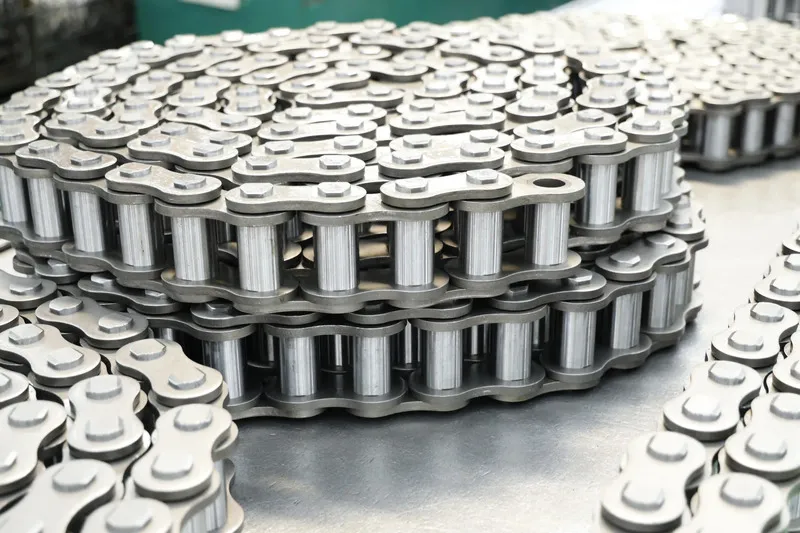
Within each chain link, the pin and bushing move relative to each other as the chain engages with the sprocket. These components are subject to direct friction and require regular lubrication. Without sufficient oil, metal surfaces wear more quickly, increasing joint clearance and causing chain elongation over time.
Benefits of Using the Right Industrial Chain Lubricant
- Reduces chain elongation: Suitable chain lubricant reduces friction at pin-and-bushing joints, minimizes wear, and extends the service life of both chains and sprockets.
- Minimizes deposits at high temperatures: For chains operating in drying ovens and industrial baking ovens, specialized lubricants help reduce evaporation and carbon deposit formation.
- Reduces maintenance time: Limiting residue and deposit buildup helps reduce production line downtime for chain cleaning and maintenance.
- Reduces energy losses: Lower friction reduces the load on the drive motor and may help limit power consumption. Actual results depend on the specific system.
- Maintains lubrication performance: The oil must be fluid enough to penetrate pin-and-bushing clearances while providing sufficient adhesion to maintain a lubricating film during operation. Avoid using excessively thick oil, unsuitable grease, or used oil.
Common Types of Industrial Chain Lubricants
Industrial chain lubricants are classified according to their base oil and operating environment. Common types include:
- Mineral-based chain oil: Offers good lubrication at a reasonable cost, making it suitable for chains operating at normal temperatures, such as conveyor chains and production machinery.
- Synthetic chain oil: Provides good thermal stability and oxidation resistance, making it suitable for continuously operating chain systems and high-temperature environments.
- High-temperature chain lubricant: Specifically formulated for conveyor chains in drying ovens, baking ovens, and heat-treatment lines. It helps maintain the lubricating film while reducing evaporation and deposit formation at elevated temperatures.
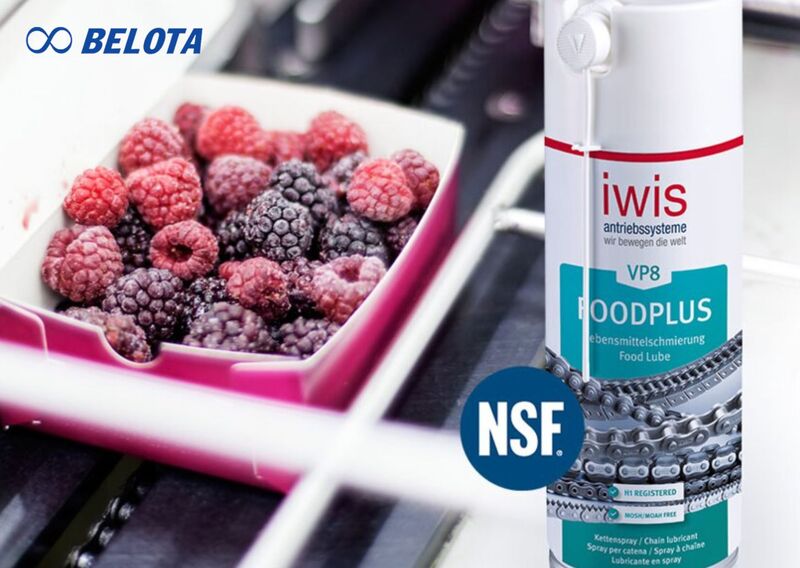
- Food-grade chain lubricant: Often carries NSF H1 registration and is used in food processing and packaging lines where incidental contact with food may occur.
- Water-resistant and anti-corrosion chain oil: Suitable for humid environments or applications involving frequent exposure to water or steam, such as seafood processing and food manufacturing facilities.
Note: When selecting chain oil, check its viscosity, operating temperature range, and load-carrying capacity to ensure compatibility with the chain's working conditions.
Popular Industrial Chain Lubricant Products
The market offers various industrial chain lubricants from different brands to meet machinery maintenance and operational requirements. Some products worth considering include:
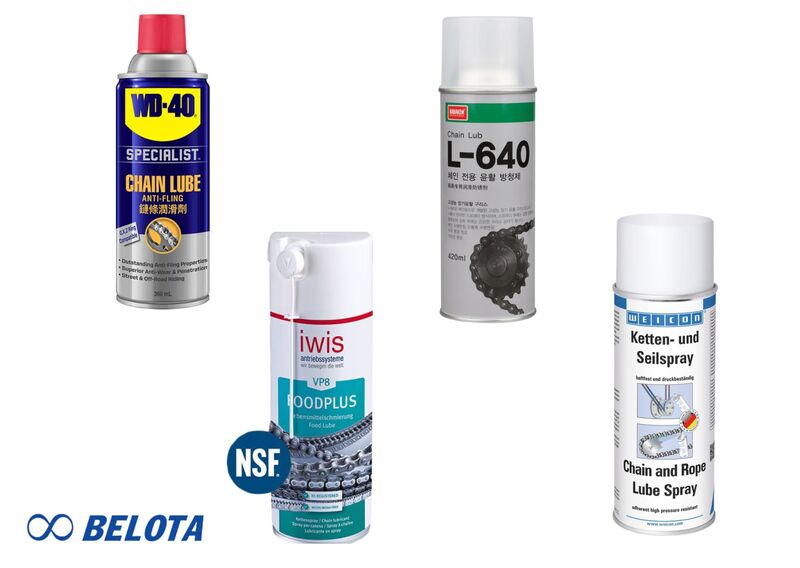
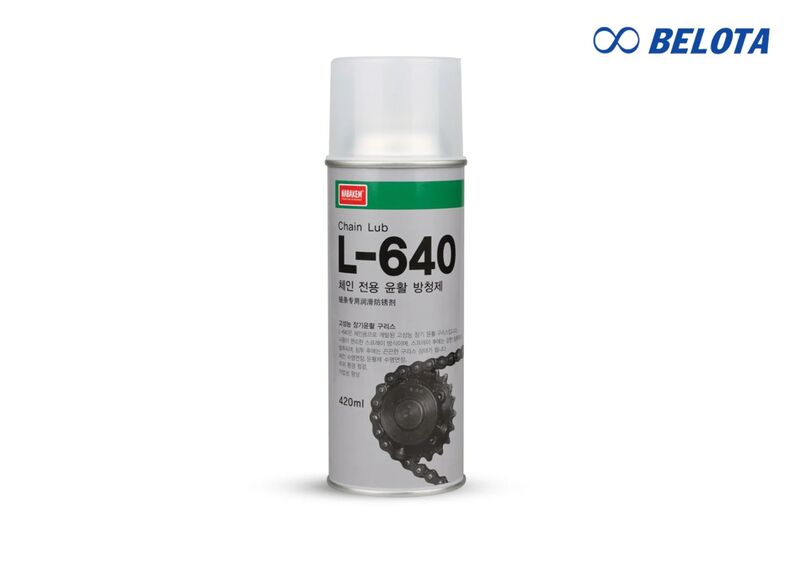
- Nabakem L-640: A lubricant containing anti-rust and antioxidant additives, suitable for maintaining chains and industrial moving mechanisms.
- WD-40 Specialist Chain Lube: Helps reduce friction, protect against rust, and minimize lubricant fling-off during operation. Suitable for drive chains, low-speed conveyor systems, and rollers.
- IWIS Chain Lubricants: Available in various formulations designed to reduce wear, withstand heat, and extend chain service life, ranging from conventional lubricating oils to high-performance wax-based products.
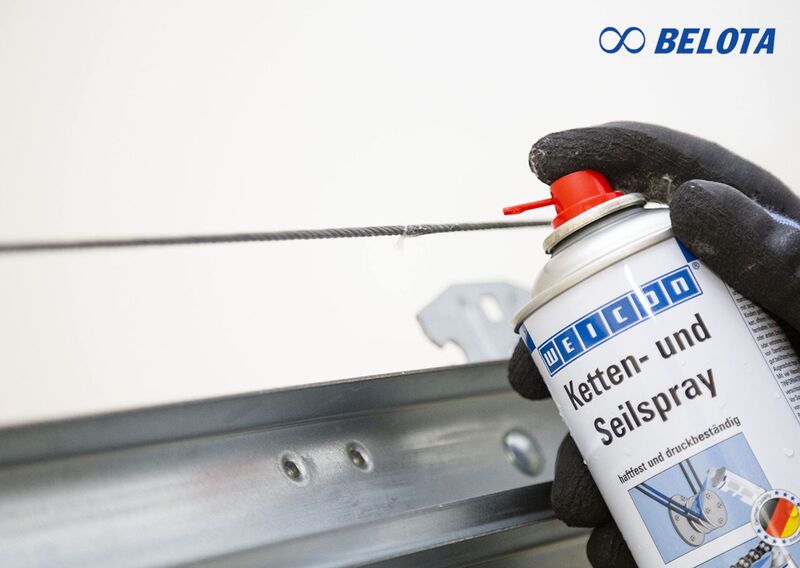
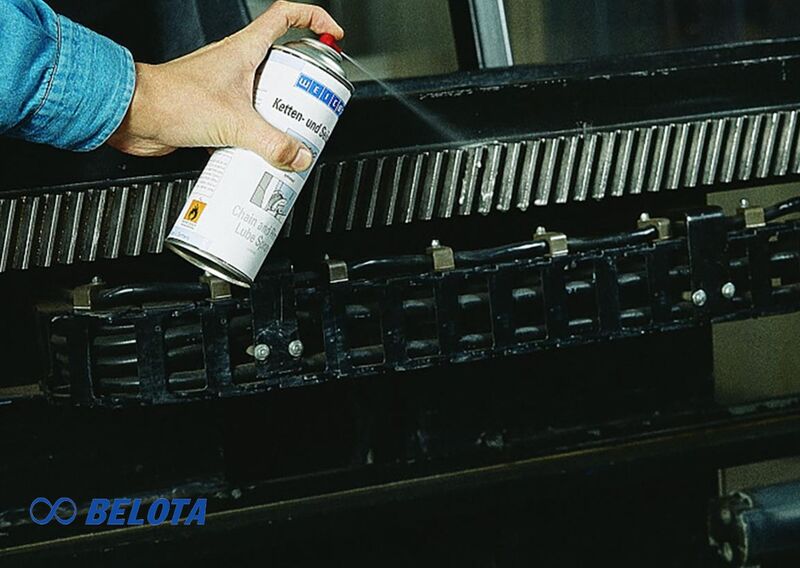
- WEICON Chain Lubricants: Help lubricate chain links and address dry running, squeaking, and wear during operation.
Note: Each product has its own characteristics and application range. Businesses should check the technical data sheet, viscosity, and operating temperature limits before use to ensure compatibility with the chain type and working conditions.
How to Choose Chain Lubricant Based on Operating Conditions
No single lubricant is suitable for every production line. When selecting chain oil, businesses should consider operating temperature, load, chain speed, and factory hygiene requirements.
Operating Temperature and Load
- Normal temperatures: High-quality mineral-based oil can be a cost-effective option.
- High temperatures: Choose synthetic lubricants specifically formulated for industrial oven chains, with properties that help reduce evaporation and deposit formation.
- Heavy loads: Select lubricants containing anti-wear additives suitable for the chain's operating pressure and load conditions.
Viscosity and Chain Speed
Viscosity must be compatible with chain size, operating speed, and ambient temperature. Oil that is too thick may not penetrate pin-and-bushing clearances effectively, while oil that is too thin may fail to maintain an adequate lubricating film.
The lubrication method should also match the chain speed:
- Low-speed chains: Lubricate using a brush, oil can, or drip-feed system.
- Medium-speed chains: Oil-bath lubrication or oil-disc lubrication may be suitable.
- High-speed chains: A pump-fed spray lubrication system is generally preferred.
Hygiene Requirements
In food, beverage, and pharmaceutical industries, lubricants with NSF H1 registration should be used where incidental contact with products may occur. The amount of oil applied must also be controlled to prevent dripping onto food or packaging.
Moisture Resistance and Corrosion Protection
For environments with frequent exposure to steam or high humidity, choose lubricants with water resistance, corrosion protection, and the ability to maintain a stable lubricating film.
When changing to a new lubricant, clean away old oil residues and inspect pins, bushings, and rollers to ensure effective lubrication.
Industrial Chain Lubricant Applications Across Different Industries
Different industries have different operating conditions, so chain lubricants must be selected according to the actual working environment.
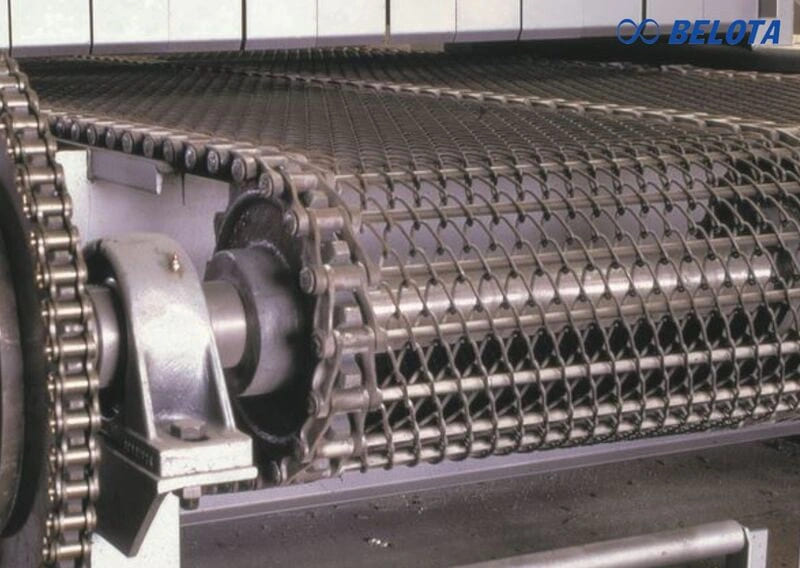
Boilers, drying ovens, and heat-treatment systems: Conveyor chains used in wood-drying ovens, industrial baking ovens, and chain-driven heat-treatment systems are frequently exposed to high temperatures. Specialized high-temperature chain lubricants should be used, with an appropriate lubrication schedule to minimize oil evaporation, smoke, and deposit formation.
Food processing, beverage production, and packaging: Frying, drying, and feeding lines are frequently cleaned, which can wash away the lubricating film. For areas where incidental food contact may occur, NSF H1-registered lubricants should be used, with reapplication carried out according to the maintenance procedure after cleaning.
Cement, mining, woodworking, and packaging: Chains often operate under heavy loads, continuous duty, and dusty conditions. Excess lubricant on chain plates can trap dust and create abrasive buildup. Therefore, oil should be applied in controlled quantities, alongside regular cleaning and chain inspections.
Belota - Industrial Chain Lubricants at Competitive Prices
Belota provides industrial transmission supplies and maintenance accessories for machinery systems, including chain lubricants for factory operation and maintenance. Products are selected based on their technical characteristics and the working conditions of each system.
When advising customers on chain lubricants, Belota considers factors such as operating temperature, load, chain speed, and lubrication requirements. This helps businesses select suitable products to reduce friction, minimize wear, and maintain chain service life.
In addition to chain lubricants, Belota supplies conveyor chains, sprockets, V-belts, and various industrial conveyor belts. Businesses can contact Belota for product advice, specification checks, and quotations based on their requirements.
Contact Belota for consultation:
- Hotline/Zalo: 0917 657 946
- Website: https://belota.com.vn/en/
- Email: info@belota.com.vn
- Address: B74 Le Thi Rieng Street, Thoi An Residential Area, Thoi An Ward, Ho Chi Minh City, Vietnam
Conclusion
Industrial chain lubricants play an important role in reducing friction, minimizing wear, and maintaining the stable operation of transmission systems. To achieve effective lubrication, businesses should select oil based on chain load, operating speed, temperature, and working environment. Proper oil application and regular maintenance also help extend the service life of chains and sprockets while reducing factory operating costs. Belota is ready to provide consultation and industrial transmission supplies to meet your actual operational requirements.