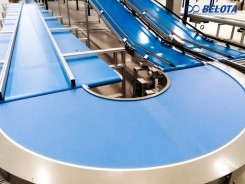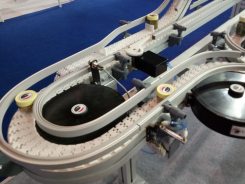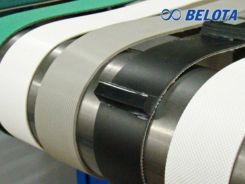
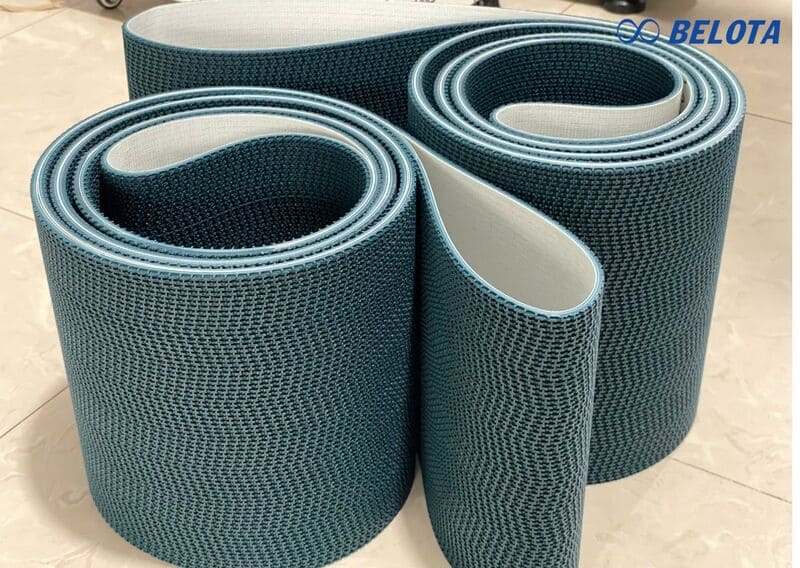
In material handling and packaging systems, the PVC rough top conveyor belt has become a popular solution thanks to its durability, strong grip, and cost efficiency. As a common variation in conveyor systems, this textured belt is structurally similar to standard PVC belts but stands out with its specially designed surface. If you're considering this product, let Belota walk you through the details below.
Introduction to PVC Rough Top Conveyor Belts
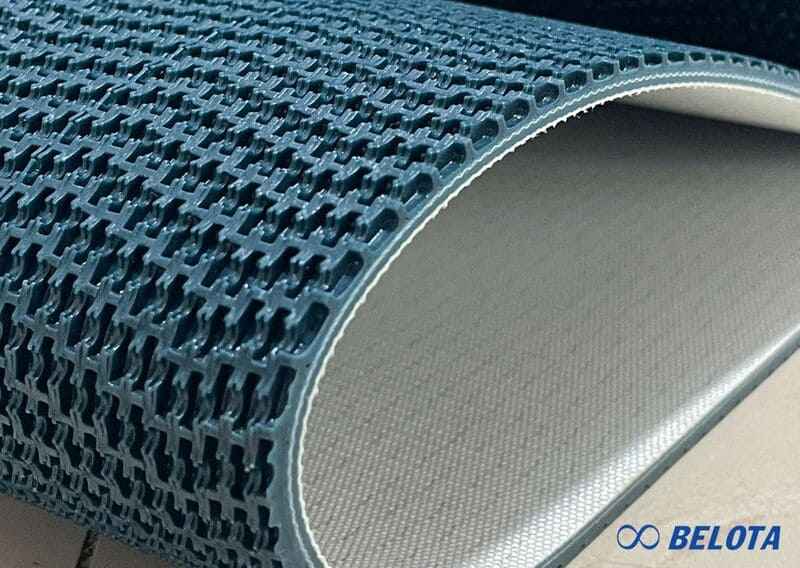
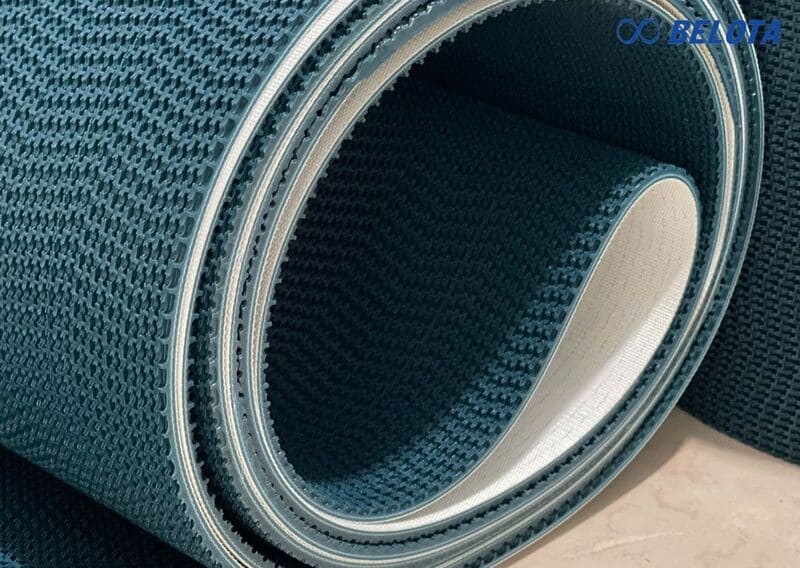
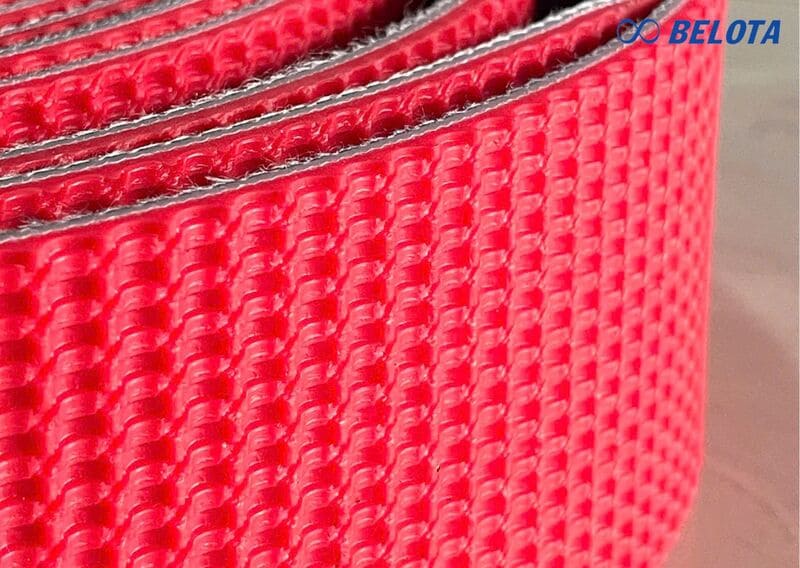
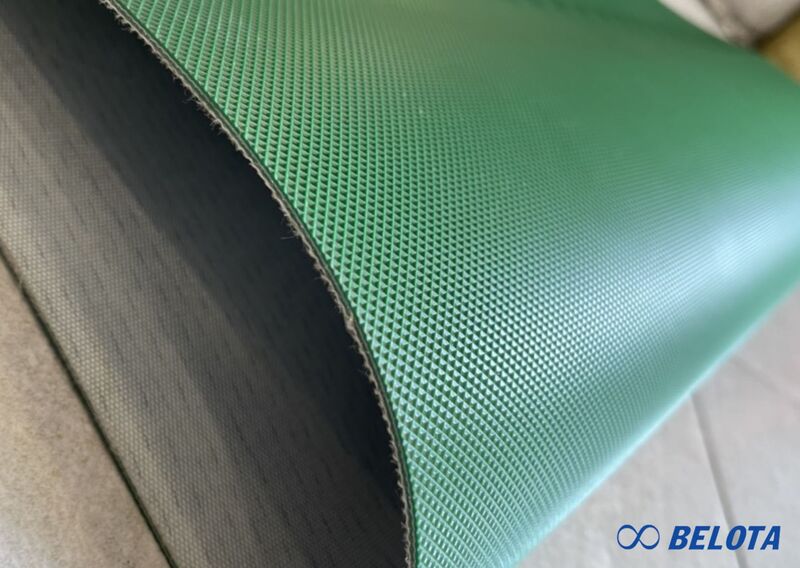
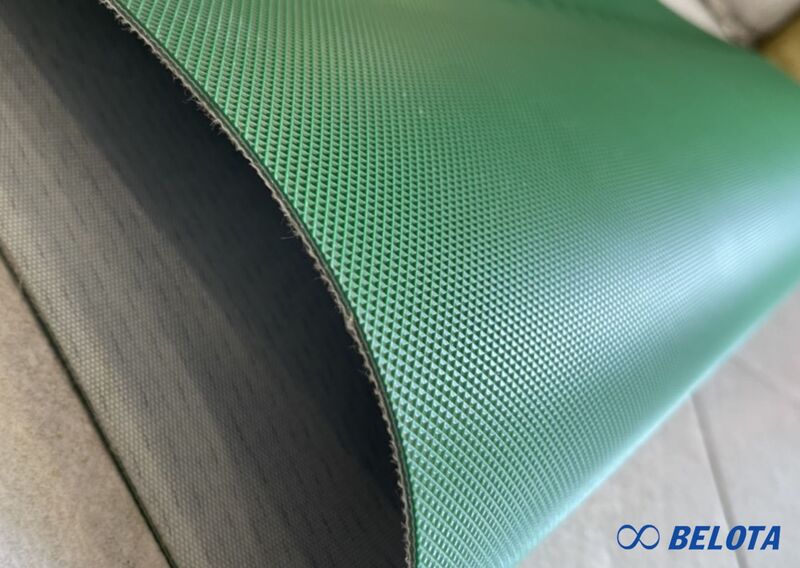
PVC rough top conveyor belts (also known as textured PVC belts or grip-top belts) feature a raised surface pattern that increases friction. This makes them ideal for applications requiring anti-slip performance during product transportation.
Structure of PVC Rough Top Belts
These belts are designed with a multi-layer structure to optimize grip, wear resistance, and stable operation, especially on inclined conveyors:
- Top PVC textured layer: The upper surface directly contacts products. It features patterns such as rough, studded, or embossed textures to enhance friction. This layer is water-resistant, oil-resistant (light exposure), anti-dust, and easy to clean.
- Fabric reinforcement layer: Similar to standard PVC conveyor belts, this layer provides tensile strength and structural stability during operation.
- Bottom PVC layer: Usually smooth or matte, ensuring stable contact with rollers and pulleys. It provides sufficient grip to reduce slippage while maintaining quiet operation.
Technical Specifications
- Color: Green, white, black (customizable)
- Thickness: 2 mm, 3 mm, 4 mm, 5 mm (custom options available)
- Surface types: Rough top, diamond, studded, patterned
- Anti-slip performance: High – suitable for inclined conveyors
- Operating temperature: -10°C to +80°C
- Weight: ~1 – 9 kg/m² (depending on thickness and layers)
- Tensile strength: ≥ 80 N/mm to ≥ 680 N/mm
- Friction coefficient: Higher than smooth PVC belts
- Roller diameter compatibility: Ø40 – Ø320 mm
- Optional features: Oil-resistant, anti-static, chemical-resistant
- Width: Customizable (typically 200 mm to 2000+ mm)
- Endless length: Customized based on system design
Key Advantages
- Excellent anti-slip performance: Textured surface increases friction, preventing products from slipping or shifting—especially on inclines.
- Stable operation on inclined angles: Performs better than smooth belts when transporting goods uphill or downhill.
- High durability & low elongation: Reinforced with polyester/nylon fabric for strong tensile strength and minimal stretching.
- Wear and moisture resistance: Suitable for industrial and semi-food environments with light oil or moisture exposure.
- Wide variety of patterns & thicknesses: Options include diamond, studded, ribbed, and hex patterns for different applications.
Available PVC Rough Top Belt Types
- Diamond pattern belts: Square-patterned surface for strong grip, commonly used in inclined conveyors and packaging lines.
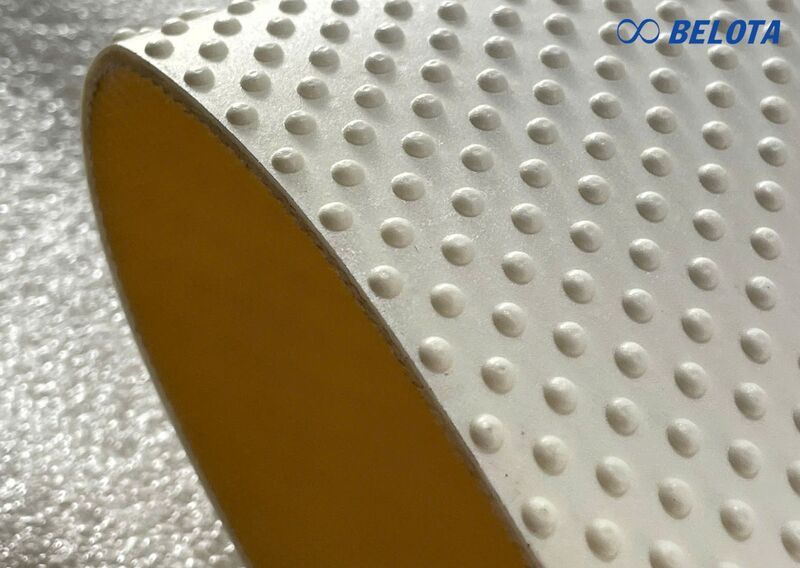
- Studded (dot) surface belts: Evenly distributed round studs provide grip while maintaining smooth operation—ideal for lightweight or delicate products.
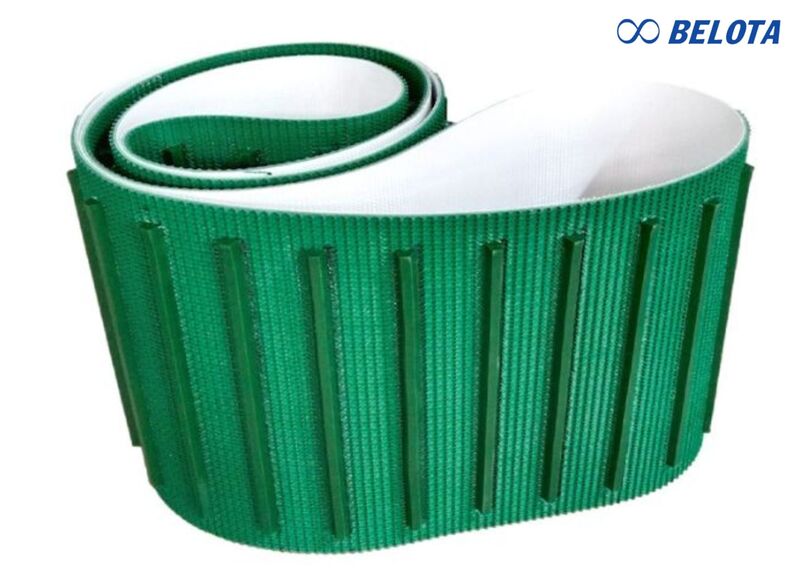
- Longitudinal rib belts: Ribbed design helps stabilize products on steep inclines, often used for fruits, vegetables, and bulk goods.
- Hexagonal pattern belts: Enhanced grip and load stability for medium-duty continuous operations.
- Combination pattern belts (diamond + guide ribs): Designed for high-speed systems requiring both anti-slip performance and directional control.
Typical Applications
PVC rough top conveyor belts are widely used across industries:
- Food industry: Fruits, vegetables, seafood, fresh meat, packaged food
- Pharmaceutical & medical: Bottles, blister packs, medical supplies
- Packaging & logistics: Cartons, bags, parcels - especially on inclined conveyors
- Garment & footwear: Fabrics, clothing, shoes - maintains product positioning
- Agriculture & processing: Bulk produce, sacks, trays in humid or dusty environments
Frequently Asked Questions
What is the difference between rough top and smooth PVC belts?
Rough top belts provide better grip and stability, especially on inclines, while smooth belts are easier to clean and suitable for high-hygiene environments.
What is the common thickness?
Typically from 2 mm to 5 mm depending on load and application.
Can these belts be customized?
Yes. Width, length, thickness, surface pattern, joints, and accessories can all be customized to fit your system.
Where to Buy PVC Rough Top Conveyor Belts?
Belota is a trusted supplier of high-quality PVC rough top conveyor belts, offering:
- Genuine materials with long service life
- Optimized performance with high friction and low wear
- Flexible design customization
- Suitable for food, pharma, and industrial environments
- Expert technical consultation
- Fast installation and nationwide support
- Resistance to chemicals and temperature variations
- Long-term cost efficiency
- Custom fabrication for all conveyor systems
📞 Contact Belota today at 0917 657 946 for expert consultation and the best solution for your production line.