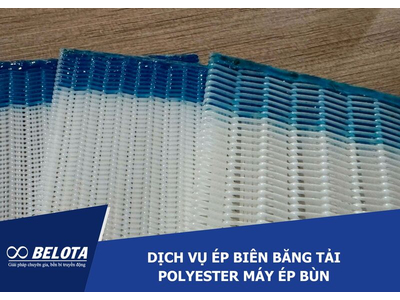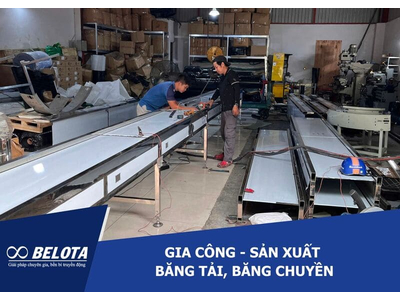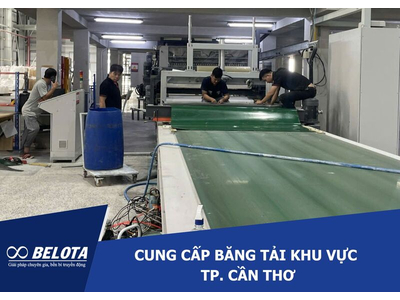
Polyester mesh conveyor belts are used in various industrial drying, filtration, and sludge dewatering systems. These applications require properly constructed belt splices to ensure stable operation. Depending on the mesh structure and working conditions, different splicing methods can be used, including Clipper metal fasteners, staple fasteners, and integrated spiral splices. In this article, Belota introduces its polyester mesh conveyor belt splicing services, common splice types, when splicing is necessary, and the factors that affect service costs.
Why Is Polyester Mesh Conveyor Belt Splicing Necessary?
The splice is a critical point that directly affects the operating stability of a polyester mesh conveyor belt. Improper splicing can cause belt misalignment, edge separation, or breakage at the joint, disrupting the entire system.
Proper belt splicing helps to:
- Ensure joint integrity: Securely connect the belt ends and reduce the risk of separation during operation.
- Maintain stable movement: Minimize snagging, jerking, or belt misalignment as the belt passes over rollers and guide components.
- Meet operating requirements: Ensure the splice is suitable for the system's load, operating temperature, and working environment.
- Extend service life: Reduce damage around the joint and minimize downtime for repairs or belt replacement.
What Types of Polyester Conveyor Belt Splices Does Belota Offer?
Depending on the mesh structure, machine design, and operating conditions, Belota provides polyester mesh conveyor belt splicing solutions to ensure reliable connections and stable operation. Common methods include:
Clipper Metal Fastener Splice
Clipper splices use metal hooks to connect the two belt ends, allowing for quick installation and convenient removal during maintenance or replacement. This type of splice is suitable for systems requiring fast belt changes, such as belt filter presses and linear screening equipment.
When selecting a Clipper splice, the belt thickness, roller diameter, and fastener dimensions should be checked to minimize interference or impact during operation.
Staple Fastener Splice
Staple fastener splices feature a relatively low-profile design that helps reduce the raised section at the joint. This can support smoother belt movement when passing over rollers or guide components.
This method may be suitable for systems handling small materials or products sensitive to impact. However, the fastener type and arrangement must be selected according to the belt thickness, mesh structure, and actual load requirements.
Integrated Spiral Splice
An integrated spiral splice uses spiral connectors to join the two belt ends, creating a flexible connection while maintaining airflow and drainage through the mesh.
This type of splice is commonly used with polyester mesh conveyor belts, particularly in applications requiring drainage, air circulation, or frequent cleaning. Depending on the design, it may also be suitable for higher-tension applications when the splice is correctly specified.
The spiral connector must be compatible with the mesh openings and properly installed to prevent loosening or deformation during operation.
When Is Polyester Mesh Conveyor Belt Splicing Necessary?
Polyester mesh conveyor belt splicing may be required when installing a new belt, replacing an existing belt, or repairing damaged joints. Depending on the belt condition and system design, businesses should consider splicing in the following situations:
- Installing a new conveyor belt: The belt ends must be properly connected to form a continuous loop compatible with the drive system.
- A broken belt or damaged splice: If the existing joint has loosened, deformed, or lost strength, it should be inspected and repaired to minimize production interruptions.
- Replacing a belt to match machine dimensions: The belt length and splicing method must be determined according to the roller diameter and belt tensioning mechanism.
- Modifying or upgrading the system: Changes to the machine structure, belt path, or operating conditions may require a different splicing solution to meet updated technical requirements.
- Unstable belt movement around the splice: Snagging, jerking, misalignment, or contact between the splice and machine components may indicate the need for inspection and corrective action.
For polyester mesh conveyor belts used in sludge dewatering presses, industrial dryers, and filtration systems, the splicing method must suit the mesh structure and actual operating conditions. In addition to splicing, polyester conveyor belt edge sealing for sludge presses may also be necessary when the belt edges are susceptible to fraying or damage during operation. Businesses should inspect both the belt condition and the operating mechanism before selecting an appropriate repair or fabrication method.
Polyester Mesh Conveyor Belt Splicing Service Prices at Belota
The cost of polyester mesh conveyor belt splicing at Belota depends on the splice type, belt specifications, and technical requirements of each system. Since different mesh structures and operating conditions require different solutions, Belota assesses the actual requirements before recommending a suitable splicing method and providing a quotation.
Key factors affecting the service cost include:
- Splice type: Clipper metal fasteners, spiral connectors, or other methods suitable for the belt structure.
- Belt specifications: Belt width, thickness, mesh size, and material composition.
- Belt condition: Splicing a new belt or repairing and replacing a damaged joint.
- Technical requirements: Operating conditions, load, temperature, and working environment.
To receive an accurate quotation, customers can provide photos of the conveyor belt, the splice location, belt dimensions, or information about the equipment in use. Belota will review these details to recommend a suitable fabrication method and discuss the applicable costs before proceeding.
Contact Belota for consultation and a quotation for polyester mesh conveyor belt splicing services:
- Hotline/Zalo: 0917 657 946
- Email: info@belota.com.vn
- Address: B74 Le Thi Rieng Street, Thoi An Residential Area, Thoi An Ward, Ho Chi Minh City, Vietnam
- Website: https://belota.com.vn