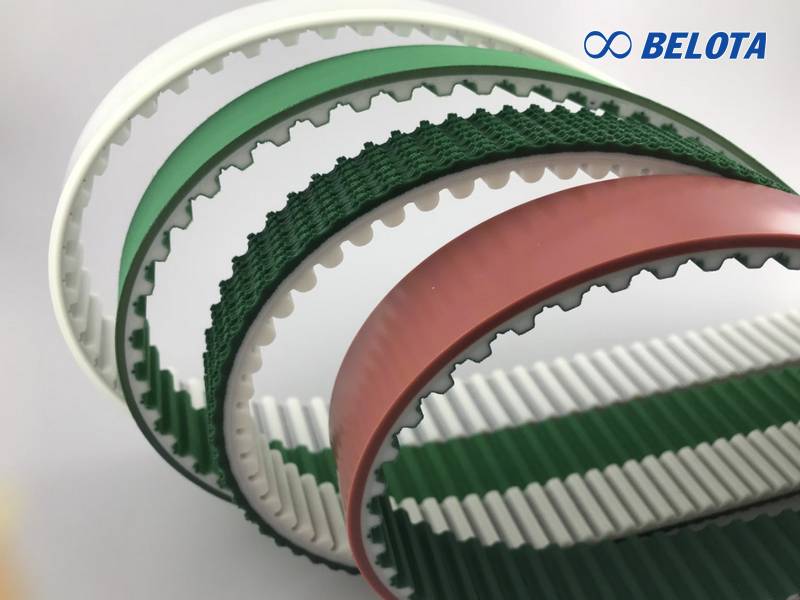
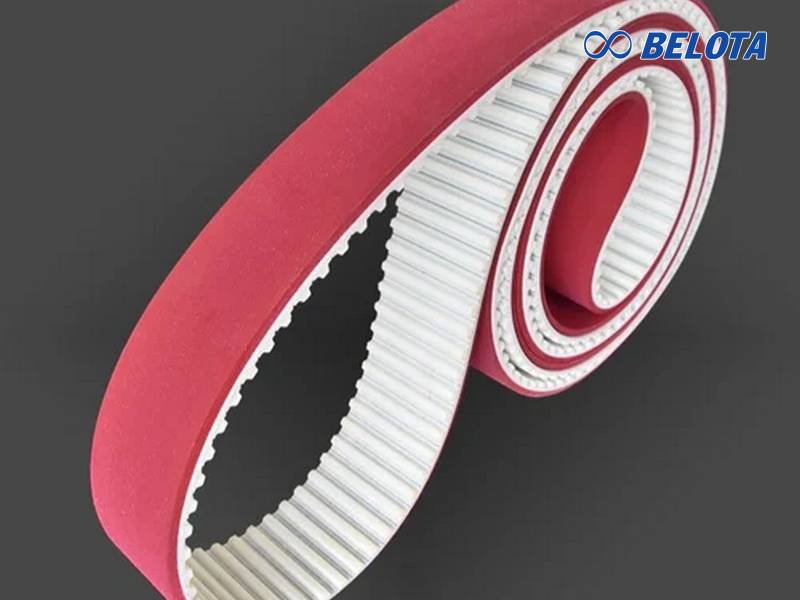
Rubber-covered timing belts are specialized power transmission solutions designed to increase friction, prevent slippage, and protect product surfaces in modern production lines. With a high-grip rubber coating and excellent shock absorption, these belts are ideal for packaging, printing, glass, ceramic, and woodworking industries where smooth, accurate, and reliable conveying is essential.
What Is a Rubber-Covered Timing Belt?
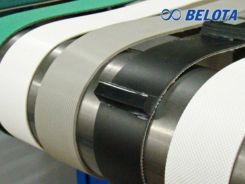
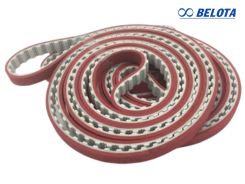
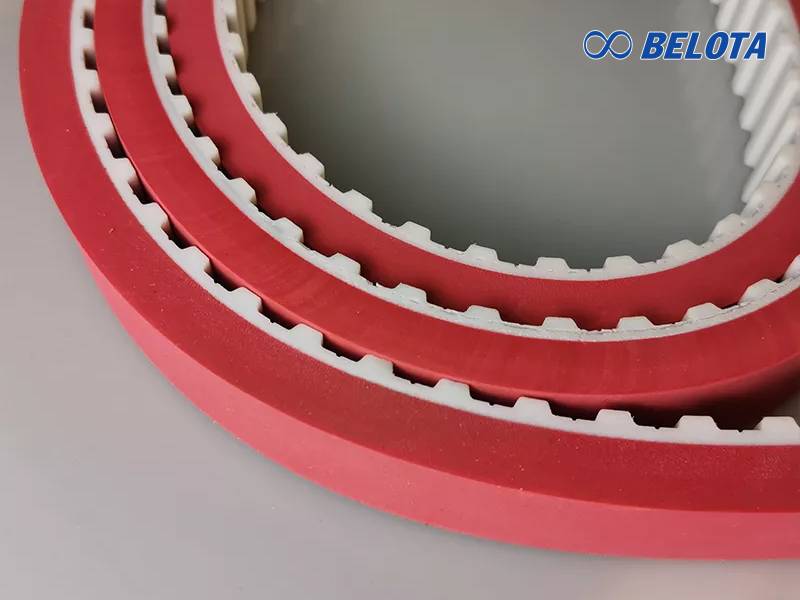
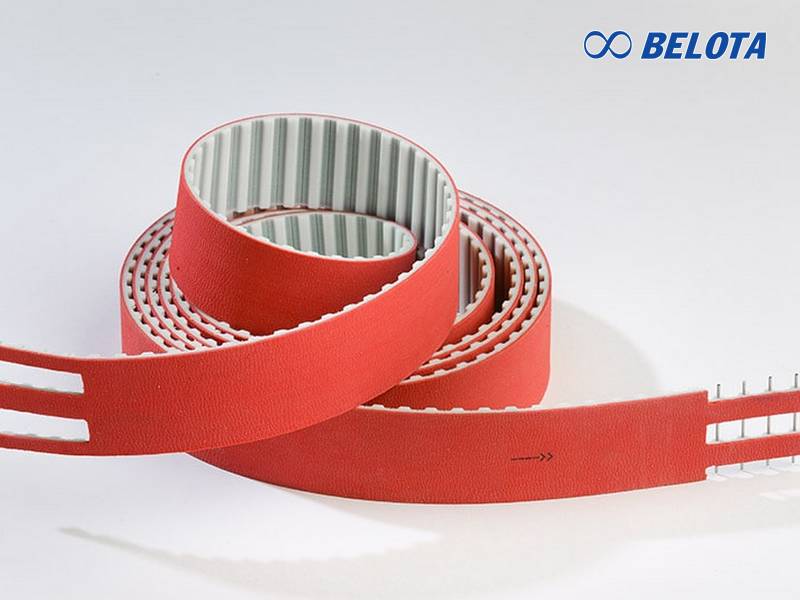
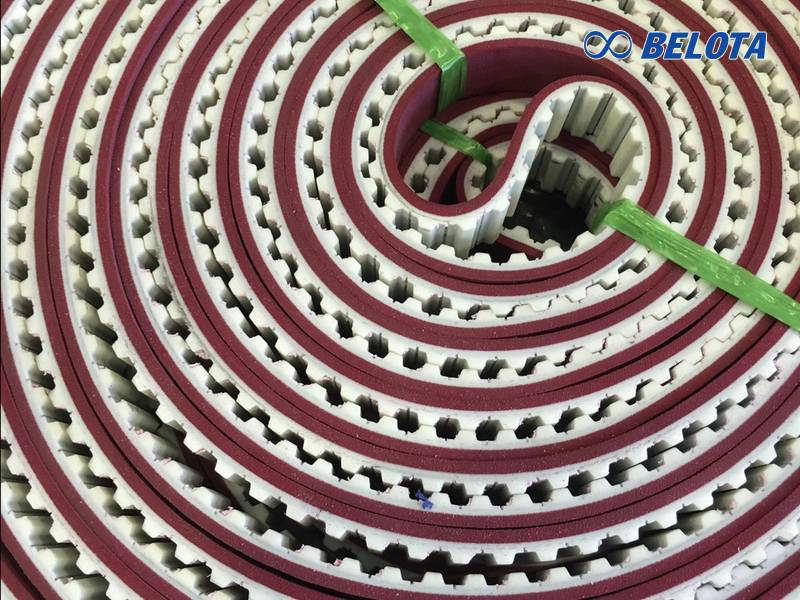
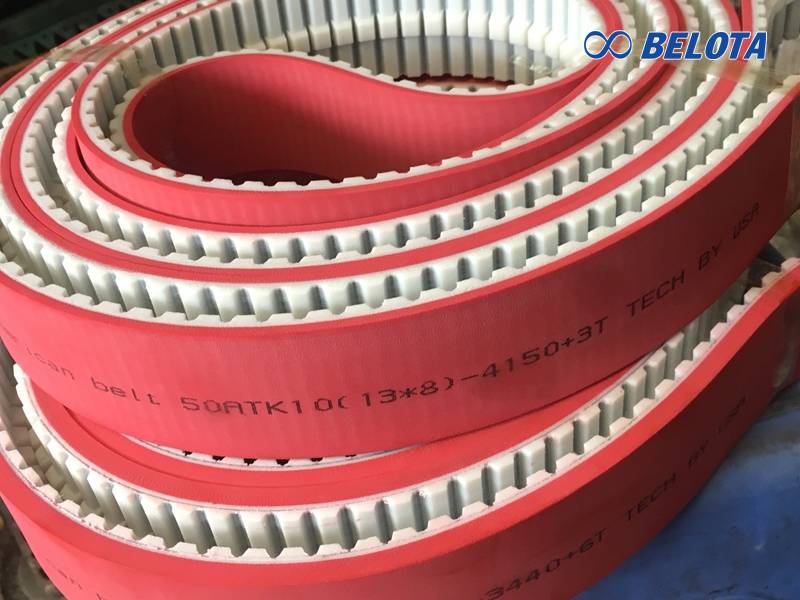
A rubber-covered timing belt is a special type of PU timing belt with an additional rubber layer bonded to its surface. This construction is designed to improve friction, absorb impact, and protect products during conveying and positioning applications.
Structure of a Rubber-Covered Timing Belt
A high-quality rubber-covered timing belt consists of three main layers:
- Tensile Cord: The tensile member is typically made from steel, polyester, or aramid cords, providing excellent tensile strength, minimal elongation, and dimensional stability during operation.
- Belt Body: The belt body is manufactured from high-quality polyurethane (PU) or synthetic rubber compounds such as NBR or EPDM. This layer protects the tensile cords while offering resistance to oil, heat, and mechanical wear.
- Rubber Cover: The outer rubber layer is the belt's key functional component. It provides a high-friction surface that improves product grip, prevents slippage, reduces vibration, and minimizes operating noise.
Technical Specifications
- Rubber Cover Thickness: 1–12 mm (customizable)
- Surface Hardness: 40–90 Shore A
- Cover Materials: NR, NBR, EPDM, Silicone, CR, SBR
- Available Colors: Black, White, Blue, Red, Yellow
- Operating Temperature: -70°C to +200°C (depending on cover material)
- Chemical Resistance: Resistant to oils, grease, detergents, solvents, and water
- Optional Features: Anti-static, ozone-resistant, or magnetic properties
Key Advantages of Rubber-Covered Timing Belts
Rubber-covered timing belts improve conveyor performance through the following benefits:
High Friction Performance
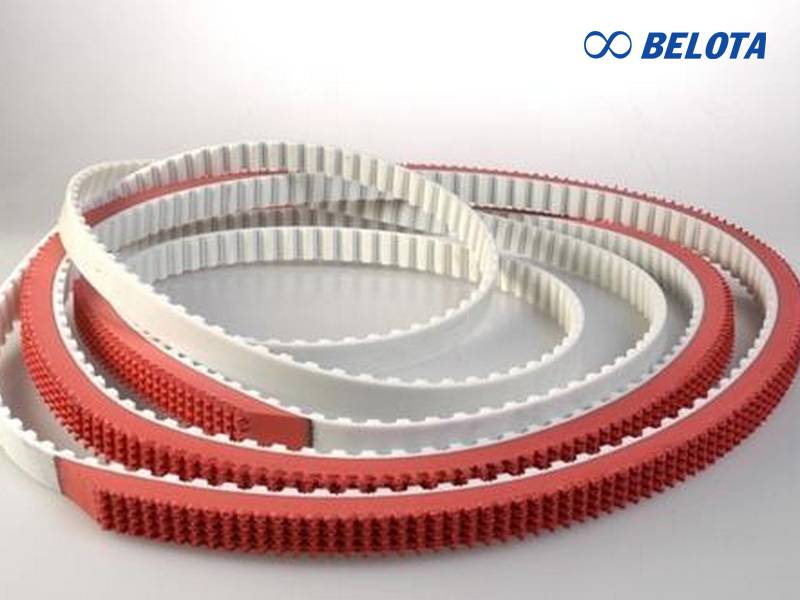
The rubber surface provides excellent grip, allowing products to be conveyed accurately with minimal clamping force while effectively preventing slippage. Compared with PU timing belts with cleats, which are primarily designed for product positioning and inclined conveying, rubber-covered timing belts are preferred when maximum surface grip is required.
Product Surface Protection
The elastic rubber cover acts as a cushioning layer, protecting delicate products such as glass panels, ceramic tiles, and paper packaging from scratches, cracks, and impact damage during conveying.
Excellent Wear and Oil Resistance
Specialized rubber compounds such as Linatex provide outstanding abrasion resistance, while certain PU cover materials also offer excellent resistance to oil, grease, and mild chemicals.
Quiet Operation
The rubber layer absorbs vibration and reduces noise, allowing conveyor systems to operate more smoothly and quietly than belts with hard contact surfaces.
Industrial Applications
Packaging Industry
Widely used in vertical packaging machines, carton sealing machines, and labeling equipment. The rubber surface grips packaging film securely without causing tearing. For vacuum conveying and product positioning systems, perforated timing belts are often a better solution because they can operate with vacuum suction systems.
Paper and Printing Industry
Used for feeding paper into printers, copiers, and notebook production lines. The high-friction surface prevents paper from slipping or jamming during high-speed operation.
Woodworking and Ceramic Industry
Ideal for conveying wood panels and ceramic tiles through sanding and cutting machines. The thick rubber cover securely holds heavy materials while resisting abrasion from wood dust and ceramic particles.
Glass Manufacturing
Provides safe transportation of glass sheets by reducing impact and preventing surface scratches.
Textile Industry
Applied in combing machines and yarn winding equipment thanks to its anti-static properties and resistance to lint accumulation.
Selection Guide
To achieve optimal service life and performance, the following factors should be considered when selecting a rubber-covered timing belt:
- Belt Profile: Choose the correct pitch and tooth profile (T5, T10, H, L, etc.) as well as the required belt width.
- Cover Material: Select Linatex for maximum abrasion resistance or Silicone for high-temperature and non-stick applications.
- Surface Finish: Depending on the application, choose a smooth surface, diamond-pattern surface, or grooved surface to improve grip or facilitate dust removal.
Selecting the right rubber-covered timing belt helps improve production efficiency, maintain consistent product quality, reduce maintenance costs, and minimize machine downtime.
Conclusion
Belota supplies a wide range of industrial timing belts from leading global brands such as Bando, Gates, Optibelt, Megadyne, and Mitsuboshi, meeting the needs of various manufacturing industries. If you are looking for high-quality rubber-covered timing belts, contact Belota today for expert technical support and a fast quotation.
Hotline / Zalo: +84 917 657 946