A generator belt is an important component of an engine's drive system. It transmits power to the alternator and, depending on the engine design, other auxiliary components. Over time, the belt may stretch, crack, wear, or lose grip, affecting operating efficiency and system reliability. Choosing the correct belt part number and replacing it when necessary helps reduce breakdowns, minimize downtime, and optimize maintenance costs. Belota supplies generator belts in various sizes to meet replacement and maintenance needs for industrial generators, standby generators, and diesel-engine equipment.
What Is a Generator Belt?
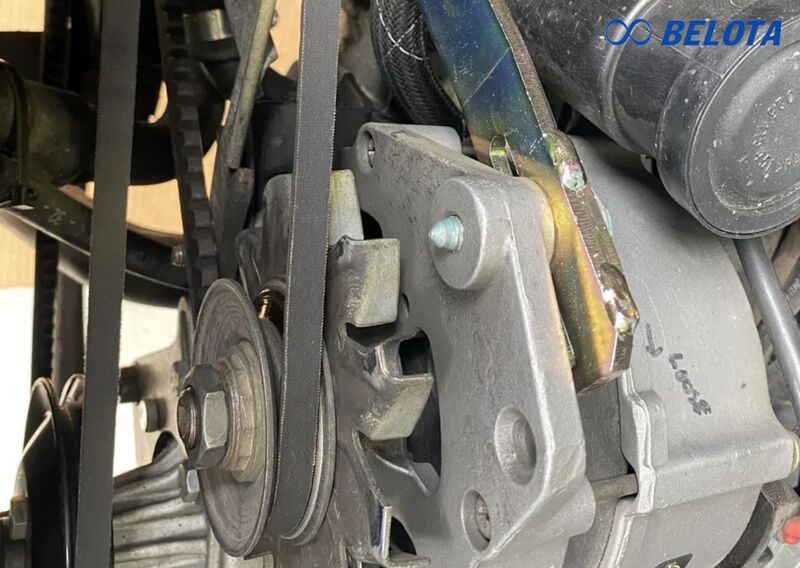
A generator belt, also known as an external engine belt or alternator belt, is a drive component that connects the crankshaft pulley to the alternator pulley in an engine. When the engine runs, the belt transfers rotational power to the alternator, enabling it to generate electricity for the vehicle's electrical systems and recharge the battery.
Depending on the vehicle's design, the same belt may also drive the air-conditioning compressor, coolant pump, or power steering pump. Multi-rib belts commonly carry designations such as 4PK, 5PK, and 6PK. The appropriate belt is selected based on the rib count, length, and engine requirements.
Types of Belts Used in Generator Systems
- V-belts: Feature a trapezoidal cross-section and transmit power through friction between the belt's sidewalls and the pulley grooves. They are used in various drive systems designed for this belt profile.
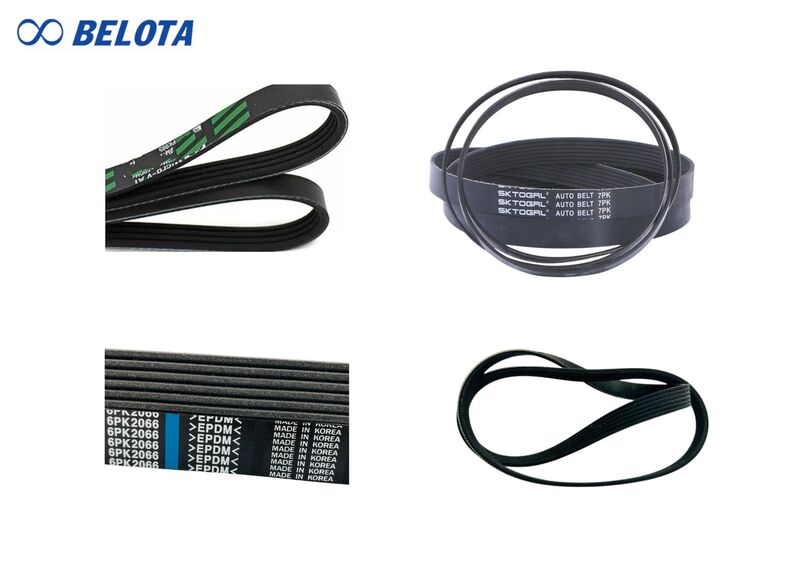
- Poly-V belts (multi-rib belts): Feature multiple longitudinal ribs that increase contact with the pulley and suit compact drive systems. Belt designations such as 4PK, 6PK, and 7PK belong to this category.
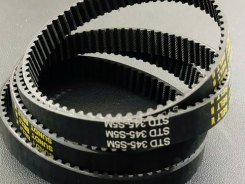
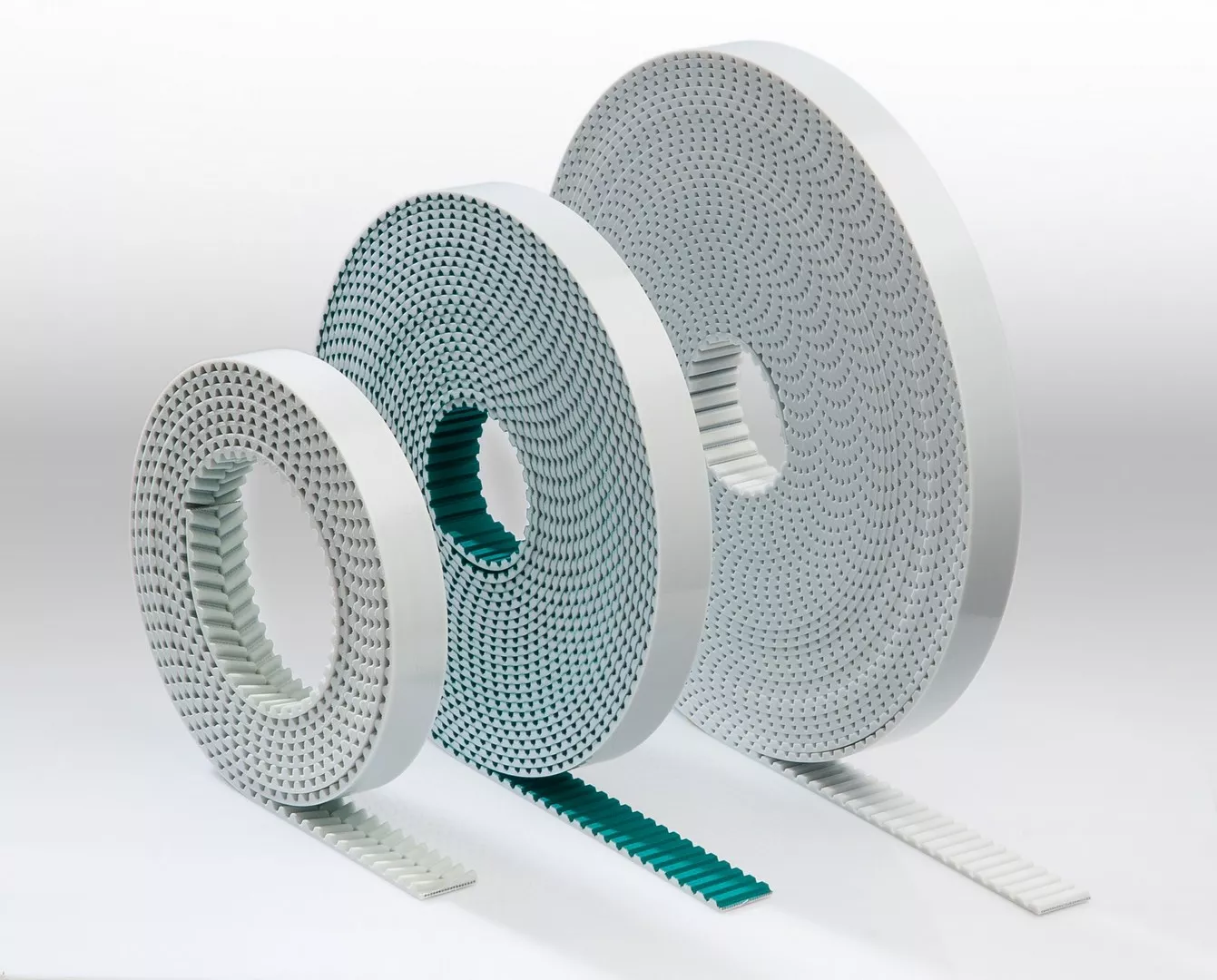
- Synchronous timing belts: Feature transverse teeth that engage with toothed pulleys. They are used in mechanisms requiring synchronized movement and must be selected according to the correct tooth pitch, length, and drive design.
Not every generator uses the same belt type. The belt configuration and number of belts depend on the manufacturer, engine model, and drive system design.
Common Generator Belt Part Numbers
Belota supplies a range of belts for replacement in generator systems. Commonly searched part numbers include:
- Generator Belt 4PK1240: A Poly-V belt with 4 ribs and a nominal length of 1,240 mm under common belt-numbering conventions.
- Generator Belt 6PK1980: A Poly-V belt with 6 ribs and a nominal length of 1,980 mm. Check the existing belt number before ordering.
- Generator Belt 6PK2066: A Poly-V belt with 6 ribs and a nominal length of 2,066 mm, suitable when these specifications match the drive system requirements.
- Generator Belt 6PK905: A Poly-V belt with 6 ribs and a nominal length of 905 mm. Selection depends on the pulley configuration and drive layout.
- Generator Belt 7PK2235: A Poly-V belt with 7 ribs and a nominal length of 2,235 mm. Verify the exact part number and specifications before replacement.
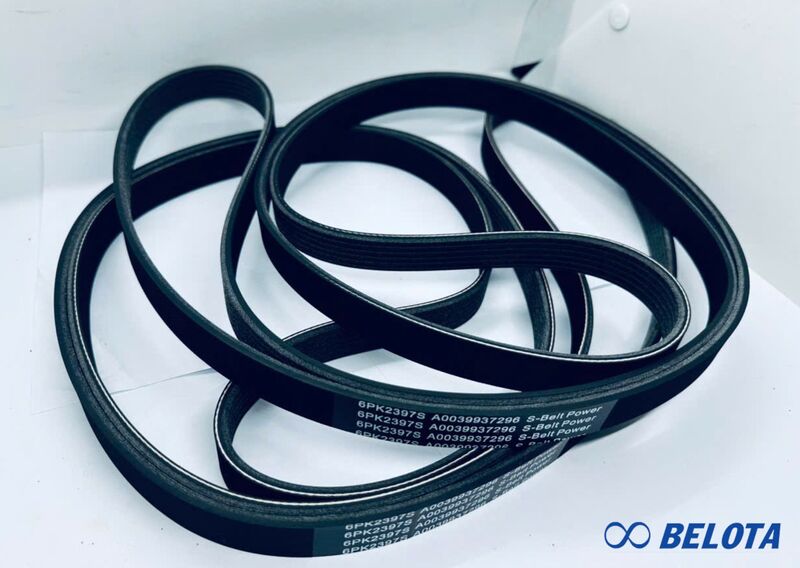
Note: The PK designation generally identifies a Poly-V belt. The number before PK indicates the number of ribs, while the number after PK typically represents the nominal length in millimeters. The precise length convention may vary by standard or manufacturer. Always cross-check the number printed on the old belt, the equipment documentation, or the pulley specifications before selecting a replacement.
Signs That a Generator Belt Needs Replacement
- Cracked or peeling belt surface: Cracks, peeling rubber, or damaged ribs indicate belt deterioration and the need for inspection and possible replacement.
- A stretched or loose belt: A belt that no longer maintains the specified tension may slip, produce squealing noises, and reduce power transmission efficiency.
- Unusual squealing noises: Squealing during startup or changes in load may result from belt slippage, incorrect tension, or misaligned pulleys.
- Uneven belt wear: Uneven wear may be associated with pulley misalignment, damaged bearings, or incorrect installation. The underlying cause should be identified before installing a new belt.
How to Choose the Right Generator Belt
- Check the existing belt number: Refer to the marking printed on the belt, the technical documentation, or the manufacturer's spare parts catalog. Do not select a belt based on appearance alone.
- Confirm the rib count, width, and length: For Poly-V belts, the rib count, length, and rib profile must match the pulley to prevent slippage and premature wear.
- Verify the generator brand and engine model: Providing the generator manufacturer, engine model, or spare part number helps identify a suitable replacement, particularly for imported equipment.
- Inspect the pulleys and related components: When replacing the belt, check pulley alignment, bearings, and the belt tensioning mechanism to help prevent premature wear of the new belt.
Generator Belt Supplier - Belota
Belota supplies generator belts based on part numbers and technical specifications, helping customers identify suitable replacements for their equipment. The product range supports maintenance and repair requirements for generator sets powered by engines from various manufacturers.
Customers can request assistance in identifying belts for equipment from brands such as Cummins, Perkins, MTU, CAT, Volvo Penta, Deutz, John Deere, Hino, Yanmar, Kubota, Detroit, Mitsubishi, Doosan, Daewoo, Honda, FPT Iveco, and Isuzu. Compatibility must be confirmed against the specific engine model and part number.
When contacting Belota, customers should provide the existing belt number, a photo of the markings printed on the belt, the generator model, or the spare part number. If the original markings are no longer visible, additional information such as belt length, rib count, and pulley details may help with identification.
Conclusion
Generator belts must be selected according to the correct part number, rib count, and length to ensure reliable power transmission. Regular inspections and timely replacement help prevent breakdowns, protect related components, and reduce equipment downtime. Belota provides generator belts based on actual part numbers and technical specifications to support replacement needs across various generator models.