A conveyor sealer belt may be a small component, but it plays a critical role in ensuring the stability of the entire packaging line. When properly selected and applied, it not only maintains consistent sealing quality but also minimizes downtime and maintenance costs.
This article provides a clear overview of its function, types, selection criteria, and replacement signs—helping businesses make the right decisions to optimize performance and extend equipment lifespan.
What Is a Conveyor Sealer Belt?
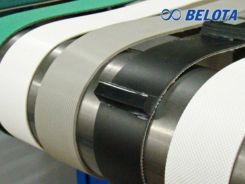
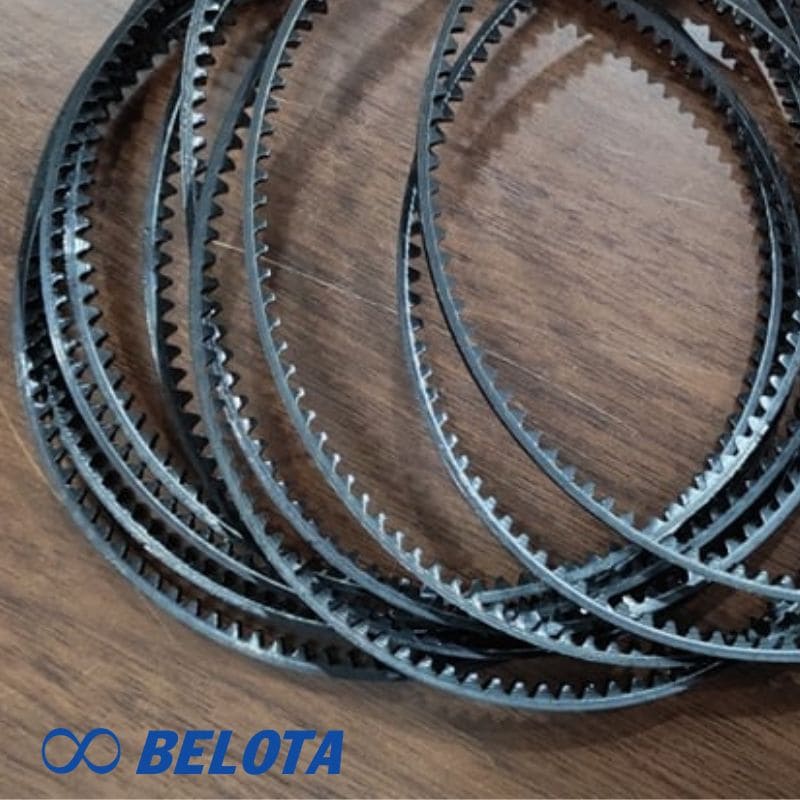
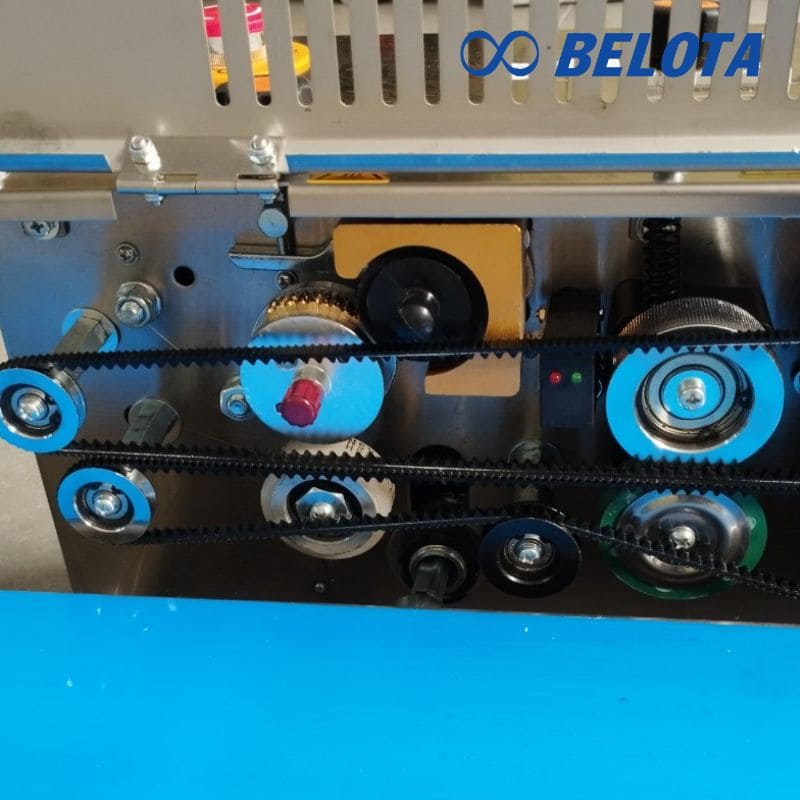
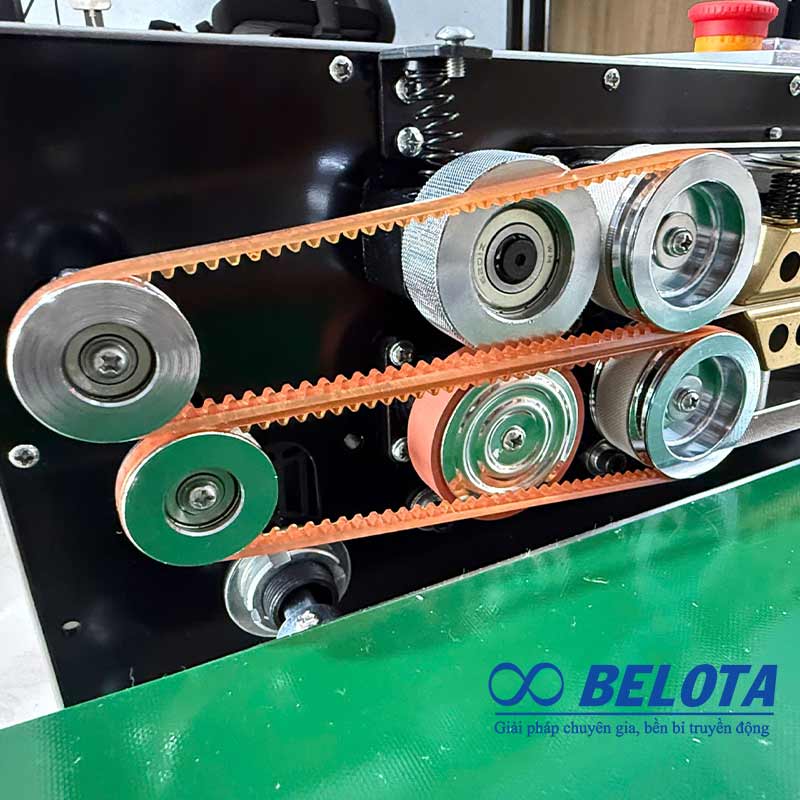
A conveyor sealer belt is a specialized transmission belt used in continuous band sealing machines. Its main function is to transfer motion from the motor to the conveyor system, ensuring stable and continuous movement of products through the sealing process.
This allows packaging bags to pass through the machine at a consistent speed, helping to create uniform, tight, and reliable seals.
The curoa used in conveyor sealing machines is designed to operate under continuous working conditions, ensuring stable transmission, good wear resistance, and long service life. In many cases, the belt structure is reinforced to improve tensile strength, reduce elongation, and minimize slipping during operation, ensuring smooth and efficient performance.
3 Common Types of Conveyor Sealer Belts
Not all conveyor sealer belts are the same. Choosing the right type from the beginning helps avoid unnecessary costs and production interruptions.
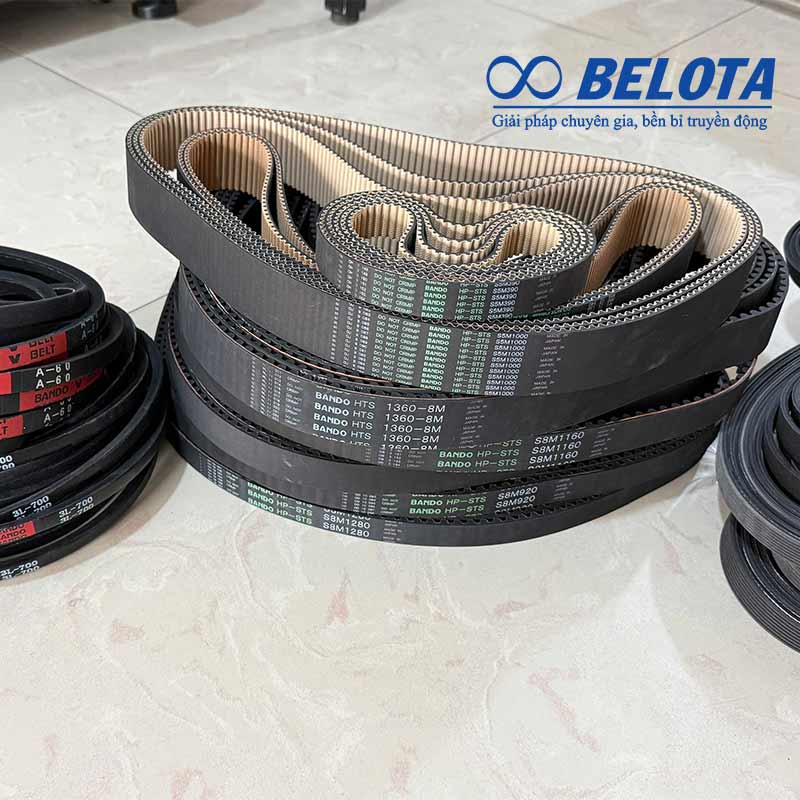
Timing Belts
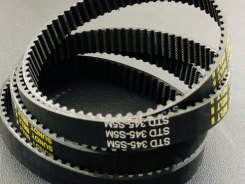
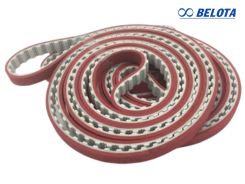
Commonly used in automatic and semi-automatic sealing machines. They provide precise transmission with no slippage, ideal for systems requiring synchronization and high sealing consistency.
Flat Belts
Suitable for light to medium loads. They operate smoothly with low vibration and are easy to replace, making them ideal for small to medium-sized production lines.
V-Belts
Designed for high-power systems requiring strong and continuous transmission. Their trapezoidal shape improves grip and reduces slipping under heavy loads.
Selecting the wrong type can reduce efficiency, accelerate wear, and negatively impact related components such as motors and shafts.
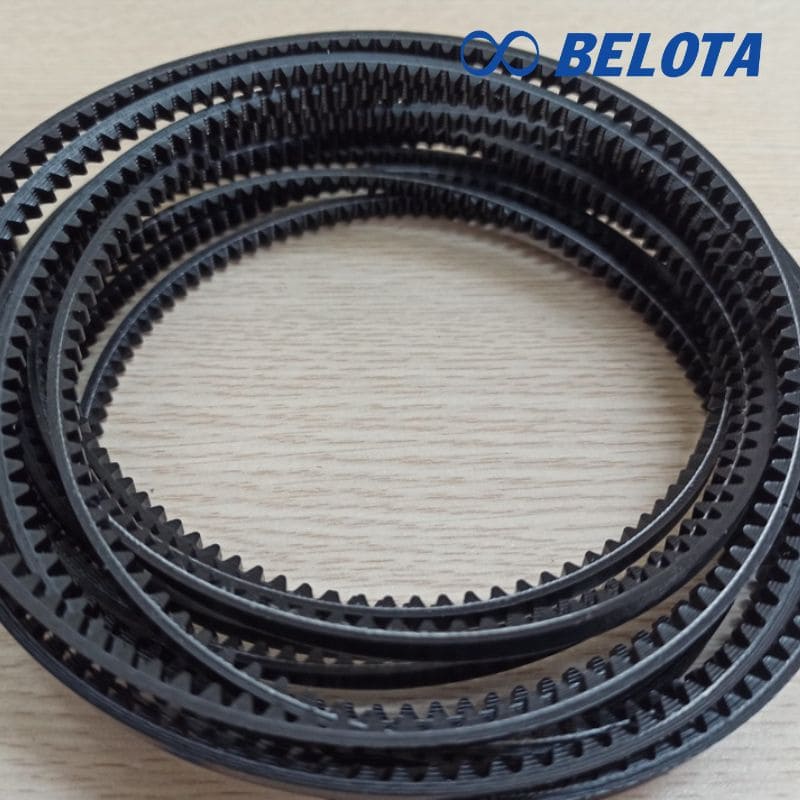
Model & Price List of Conveyor Sealer Belts at Belota
| Model | Compatible Machine | Common Size | Material | Reference Price |
|---|---|---|---|---|
| FR900 Belt | FR900 Sealer | 750 – 770 mm | Rubber + Fabric | 12,000 – 35,000 VND |
| FRD1000 Belt | FRD1000 Sealer | 770 – 810 mm | Heat-resistant Rubber | 30,000 – 40,000 VND |
| SF150 Belt | SF150 Sealer | 750 – 770 mm | Synthetic Rubber | 20,000 – 35,000 VND |
| DBF900 Belt | DBF900 Sealer | 770 mm | Rubber + Fabric | 20,000 – 35,000 VND |
| FRM980 Belt | FRM980 Sealer | 770 – 810 mm | High-temp Rubber | 25,000 – 65,000 VND |
| LD900 Belt | LD900 Sealer | ~750 mm | Synthetic Rubber | 16,000 – 30,000 VND |
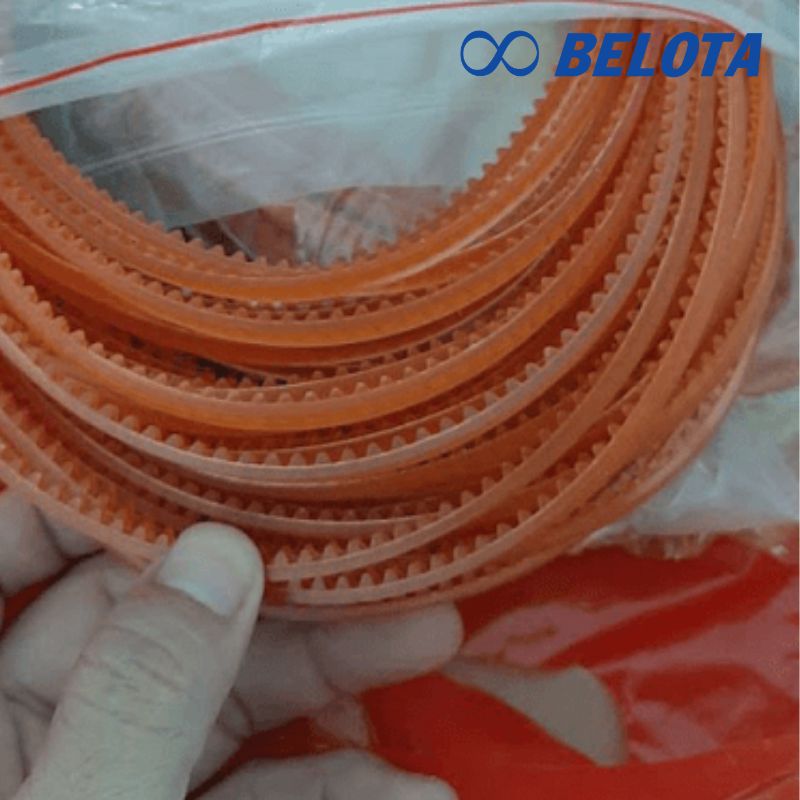
In addition to these common models, Belota offers a wide range of conveyor sealer belts tailored to specific machine models, lengths, thicknesses, and operating conditions. From standard belts to high-temperature and date-printing variants, all products can be customized for optimal performance.
With ready stock and an experienced technical team, Belota ensures accurate selection, proper sizing, and application-specific solutions to keep your system running efficiently while minimizing costs.
Signs Your Conveyor Sealer Belt Needs Replacement
| Symptom | Description | Possible Cause | Recommended Action |
|---|---|---|---|
| Unusual noise | Squeaking or light impact sounds | Slipping, misalignment, or wear | Adjust tension and alignment |
| Unstable speed | Irregular product movement | Belt stretching or loss of grip | Adjust or replace belt |
| Poor sealing quality | Wrinkled, cracked, uneven seals | Unstable transmission | Check entire drive system |
| Physical damage | Cracks, edge wear, elongation | Natural wear or overload | Replace the belt |
| Motor overload | Higher temperature, increased power consumption | Belt too tight or incorrect type | Re-evaluate load and belt selection |
Prompt action when these signs appear helps prevent unexpected downtime.
Important Notes When Replacing a Conveyor Sealer Belt
- Measure accurately: Always check the length and dimensions of the old belt before replacement.
- Identify machine type: Machines with date printing require longer belts.
- Allow small tolerance: A few millimeters difference is acceptable due to adjustable tension systems.
- Adjust properly after installation: Ensure correct tension, alignment, and perform a test run.
Following these steps helps ensure smooth operation and extends both belt and machine lifespan.
FAQs
How to choose the correct belt size?
You need to identify: belt type, pitch (if applicable), and total length. The easiest way is to measure the old belt or consult Belota with photos/specs.
How often should the belt be replaced?
There is no fixed interval. For machines running continuously (2–3 shifts/day), inspect monthly and replace when signs of wear appear.
Does Belota provide custom belts?
Yes. Belota offers cutting, joining, and customization services to meet specific machine requirements with high precision.
Conclusion
Choosing the right conveyor sealer belt and maintaining it properly are essential for stable operation and minimizing unexpected issues. Businesses should combine proper selection, correct installation, and regular maintenance to maximize long-term efficiency.
Belota provides not only high-quality products but also technical consulting and customized solutions to optimize your transmission systems. Contact Belota today for expert support tailored to your specific application.