In modern production lines, precise control of material quantity is a key factor in maintaining consistent product quality. Belt weigh feeders are designed to meet this demand by automating the weighing and continuous feeding process with high accuracy.
What is a Belt Weigh Feeder?
A belt weigh feeder is a conveyor system integrated with electronic weighing devices and measuring sensors, allowing accurate material weighing directly during the conveying process.
Unlike standard conveyors that only transport materials, this system is capable of:
- Measuring material weight in real time
- Calculating material flow rate (kg/h or t/h)
- Automatically adjusting feeding speed based on actual operating conditions
- Connecting with PLC and SCADA systems for automated control
- Storing and exporting production data for management purposes
As a result, the production process becomes more stable, continuous, and efficient while minimizing material loss.
Main Components of a Belt Weigh Feeder
A standard belt weigh feeder system typically consists of three main sections:
Mechanical System
This is the structural foundation that supports the entire system, including:
- Hopper and feeding gate
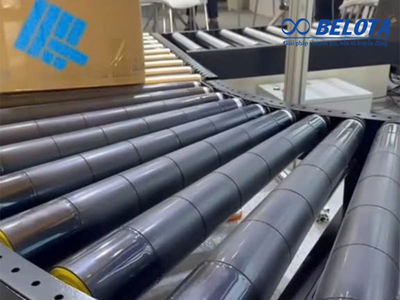
- Conveyor belt for transporting materials
- Carrying rollers and support rollers
- Rigid and stable conveyor frame
The mechanical structure ensures stable and even material feeding throughout the conveying process.
Sensor and Drive System
This section directly affects the weighing accuracy of the system:
- Loadcell: Measures the weight of materials on the conveyor belt
- Encoder: Measures belt speed
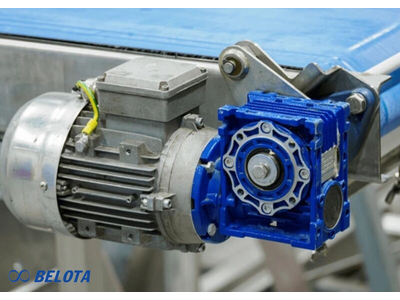
Drive motor
- Variable frequency drive (VFD) for speed control
- By combining the measured material weight and conveyor speed, the system can accurately calculate the material flow rate.
Automatic Control System
Includes:
- Central control cabinet
- PLC controller
- Monitoring and data management software
- Weight display controller
The control system processes signals, calculates flow rates, and automatically adjusts conveyor speed to maintain the required feeding rate.
Operating Principle of Belt Weigh Feeders
The system operates based on the principle of real-time material flow measurement and control. Material flow rate is continuously calculated using the following formula:
Q=k×m×v
Where:
- Q: Material flow rate (kg/h or t/h)
- m: Material weight at the weighing point
- v: Conveyor belt speed
- k: Calibration coefficient
Based on practical implementation experience, a stable and highly accurate belt weigh feeder system requires continuous coordination between measuring and control components through the following closed-loop process:
- Materials are loaded into the hopper to ensure stable feeding.
- The feeding device transfers materials onto the conveyor belt.
- The loadcell continuously measures the actual material weight on the belt.
- The encoder monitors conveyor speed and sends speed data to the controller.
- Signals from the loadcell and encoder are processed by the PLC or central controller to calculate real-time flow rate.
- If the actual flow deviates from the preset value, the system automatically adjusts the conveyor or feeder speed.
- The measuring, calculation, and correction cycle operates continuously to maintain stable feeding throughout production.
Thanks to its real-time automatic control mechanism, the system maintains accurate material flow while reducing errors and optimizing operational efficiency.
Common Types of Belt Weigh Feeders
Depending on material characteristics and operating conditions, businesses can choose different types of belt weigh feeders to ensure optimal performance and accuracy.
Flat Belt Weigh Feeders
This type is commonly used for powders, small granules, or materials with relatively uniform sizes. The flat belt surface helps distribute materials evenly, improving weighing accuracy.
Advantages include:
- Simple structure
- Easy maintenance
- Stable operation
- Cost-effective investment
Widely used in cement, animal feed, chemical, and agricultural industries.
Cleated or Sidewall Belt Weigh Feeders
This design is suitable for slippery materials, bulk materials, or inclined conveying systems. Cleats prevent materials from sliding backward, while sidewalls reduce material spillage during operation.
Common applications include:
- Fertilizer production
- Mining
- Agricultural processing
- Inclined feeding systems
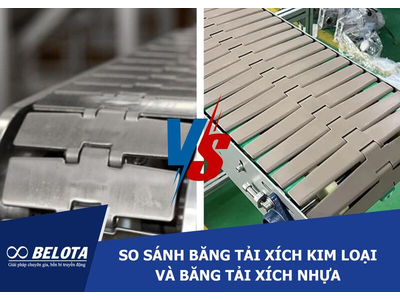
Metal Belt Weigh Feeders
This solution is ideal for high-temperature or abrasive working environments. The system often uses stainless steel mesh belts or metal chains with excellent heat resistance, corrosion resistance, and heavy-duty performance.
Commonly applied in:
- Metallurgy
- Cement production
- High-temperature food processing
- Industrial drying systems
Applications of Belt Weigh Feeders in Industry
Belt weigh feeder systems are widely used across various industries.
Cement and Construction Materials Industry
- Limestone, clinker, and gypsum dosing
- Accurate raw material proportioning
Food and Agricultural Industry
- Flour, sugar, and wheat weighing
- Animal feed ingredient dosing
Fertilizer and Chemical Industry
- Mixing ratio control
- Powder and granular chemical dosing
Mining Industry
- Coal and ore monitoring
- Material flow control
Advantages of Using Belt Weigh Feeders
- Maintain stable product quality across production batches
- Reduce material waste
- Increase production efficiency
- Reduce labor costs
- Automate production processes
- Easily integrate with existing management systems
Factors Affecting System Accuracy
To maintain stable and long-lasting operation, businesses should pay attention to:
- Quality of loadcells and encoders
- Temperature and humidity conditions
- Material distribution on the belt
- Periodic calibration and maintenance
Proper maintenance helps the system maintain high accuracy over time.
Criteria for Choosing the Right Belt Weigh Feeder
Before investing in a system, businesses should evaluate:
- Required accuracy level
- Capacity and material flow rate
- Material characteristics
- Working environment conditions
- Integration capability with existing systems
Conclusion
Belt weigh feeders are an essential solution in modern automated manufacturing systems. With the ability to accurately measure and control material flow, these systems help businesses improve product quality, optimize operating costs, and enhance market competitiveness.
If you need consultation for the design and installation of customized belt weigh feeder systems, contact a professional supplier for detailed surveys and quotations.