Service
Most viewed news
Category more
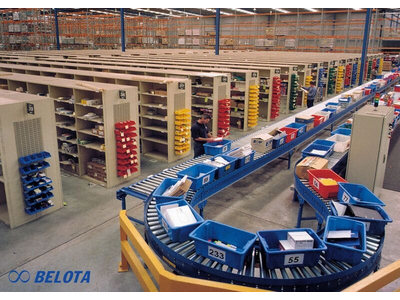
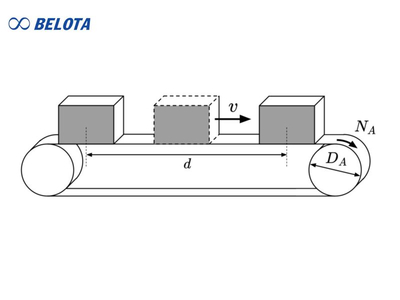
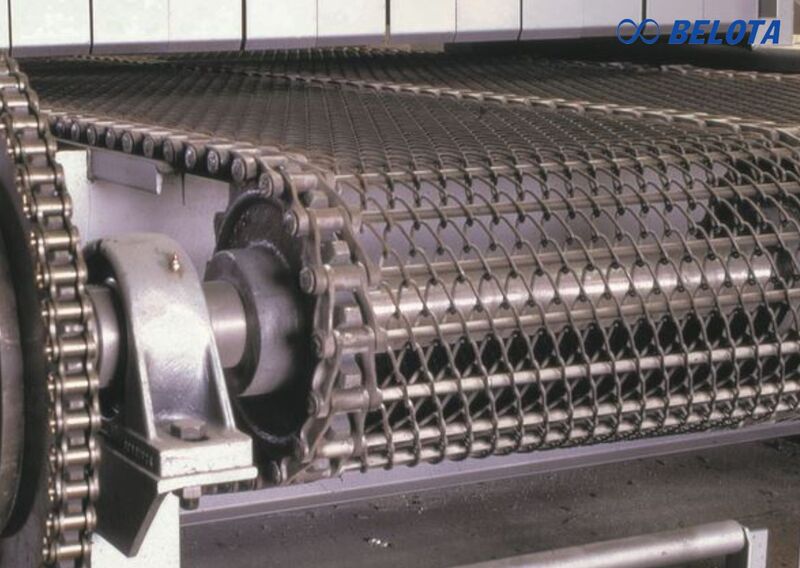
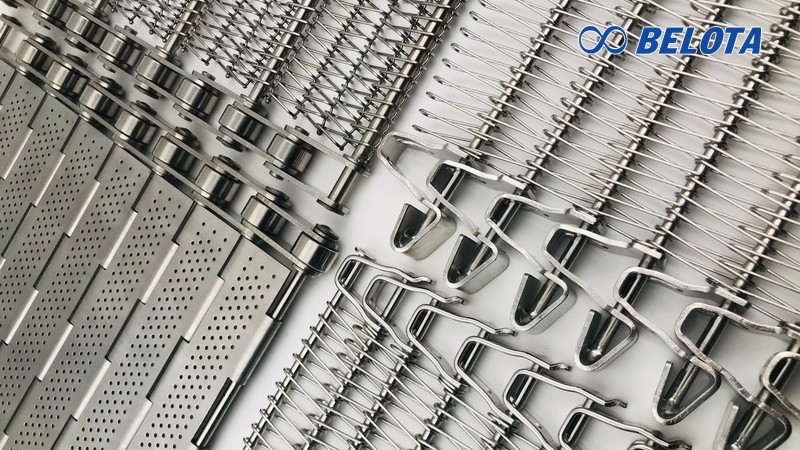
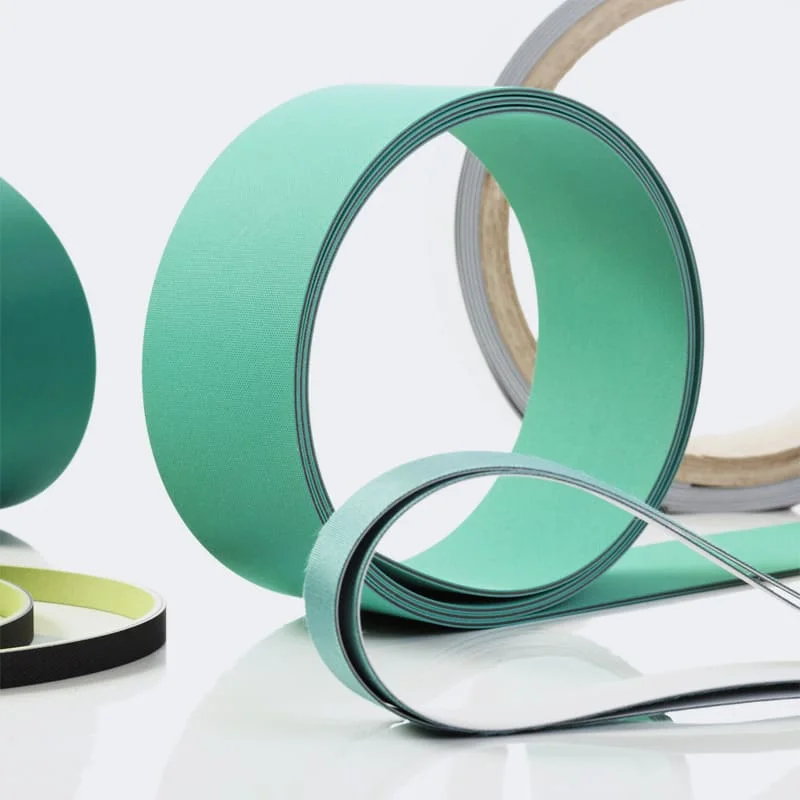
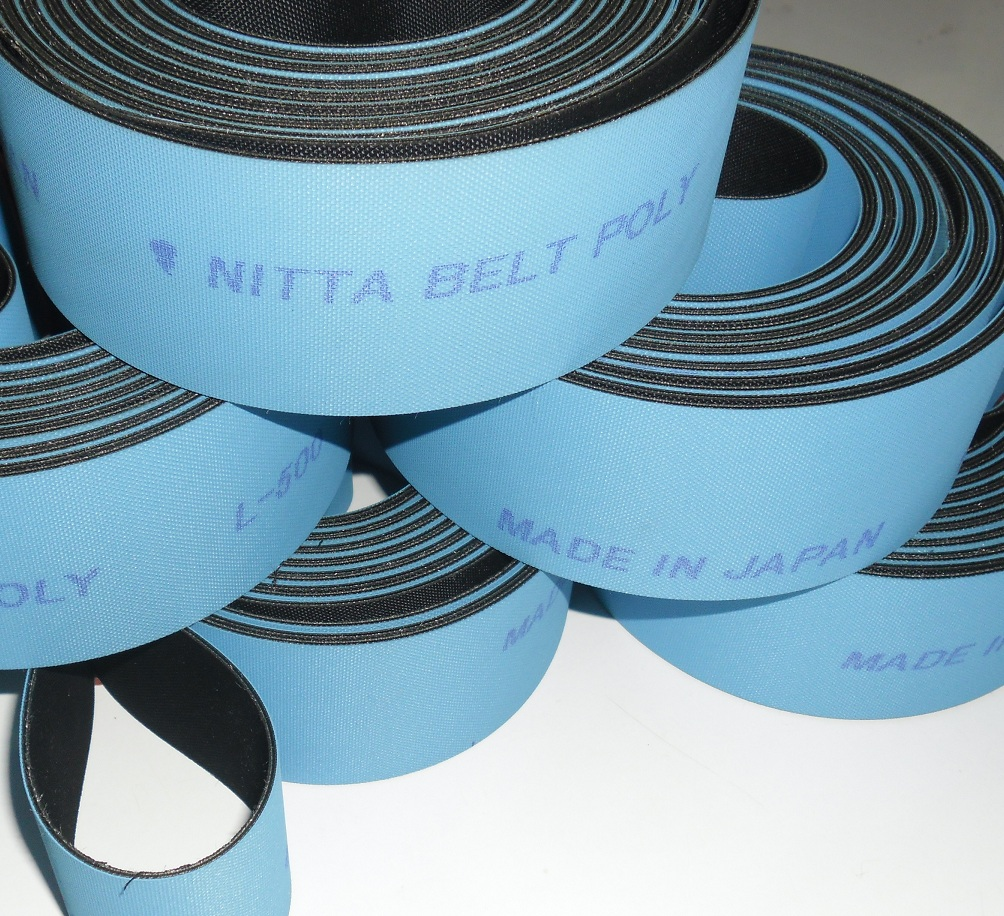
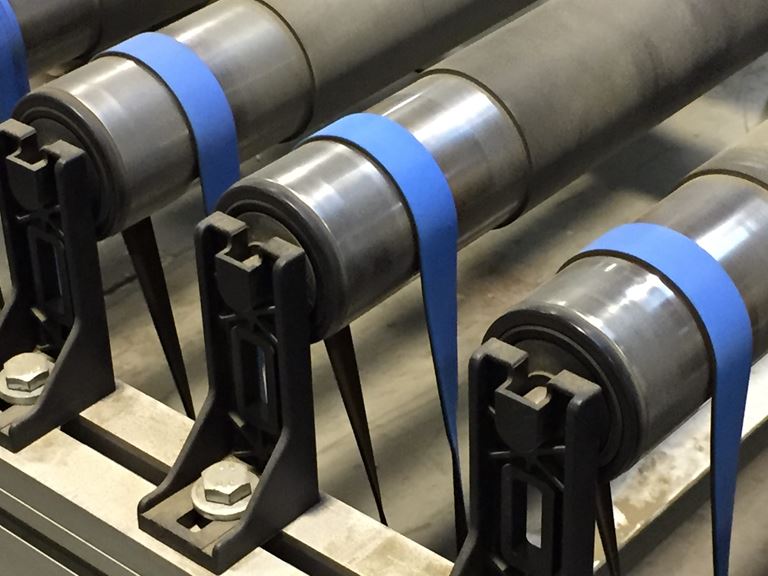
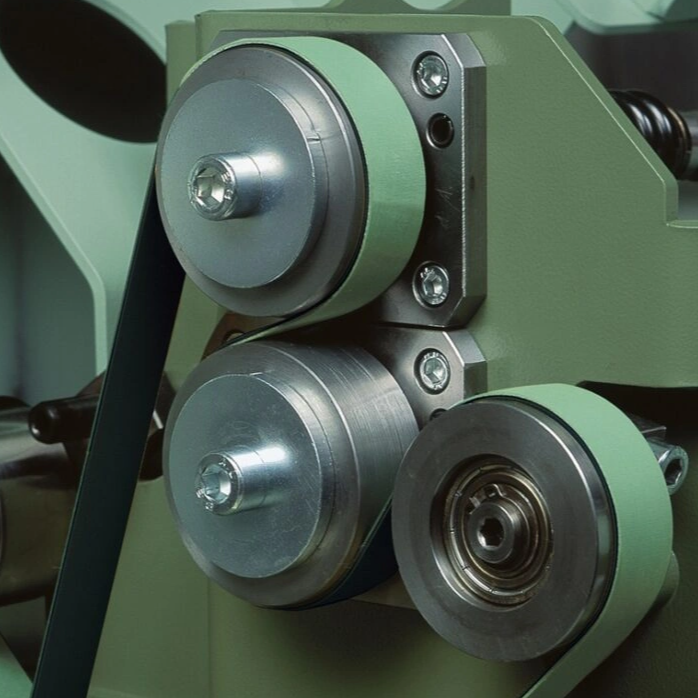
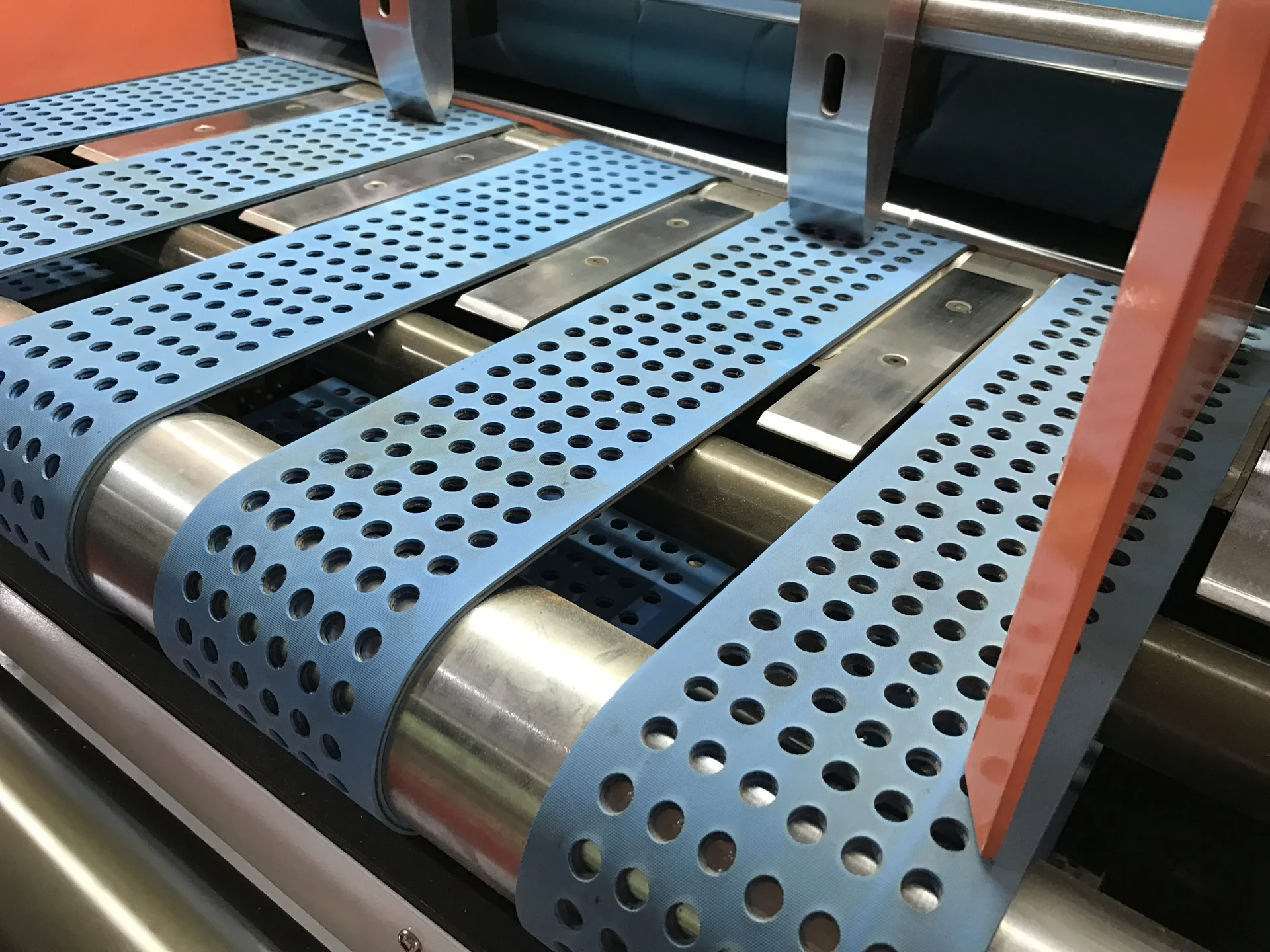
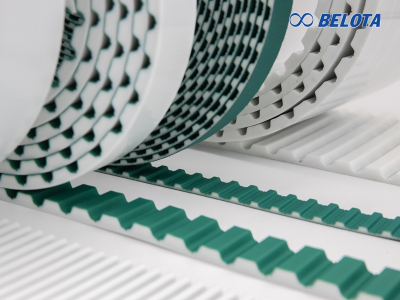
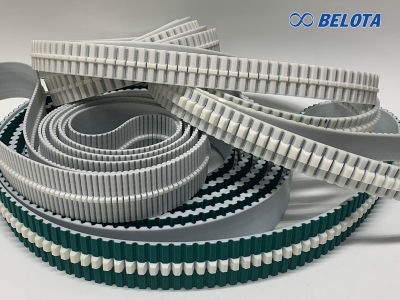
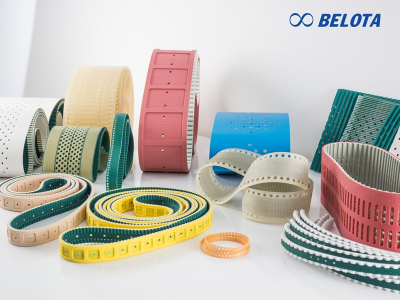
What are conveyor belts? What role do these products play in factories and manufacturing facilities? Let's explore this product category with Belota in the article below.
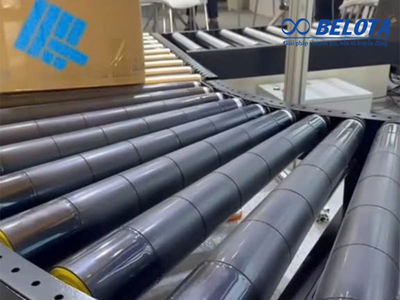
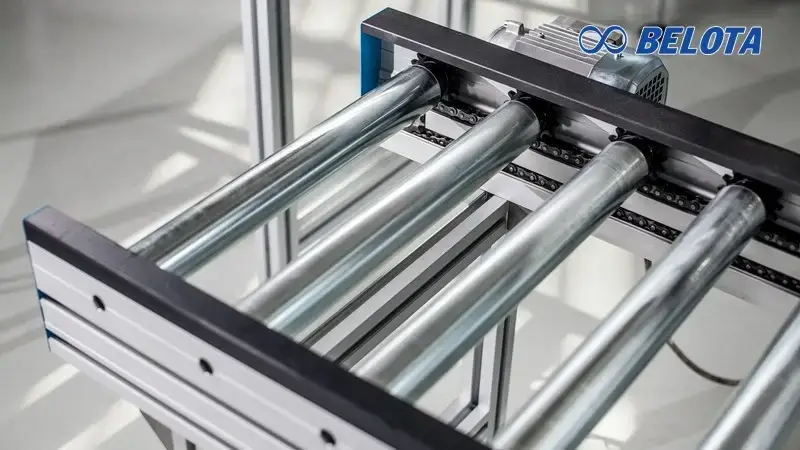
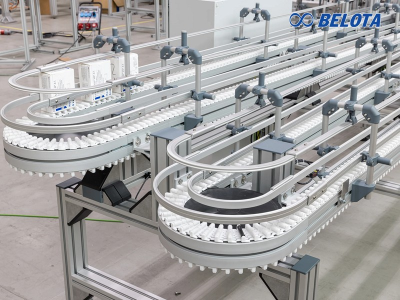
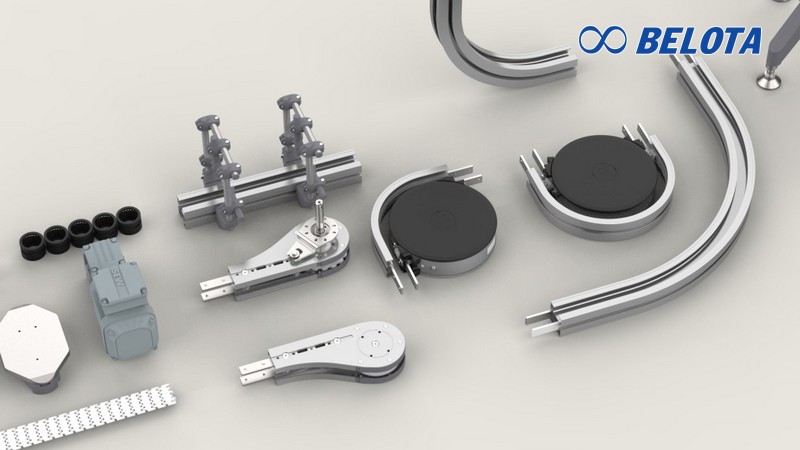
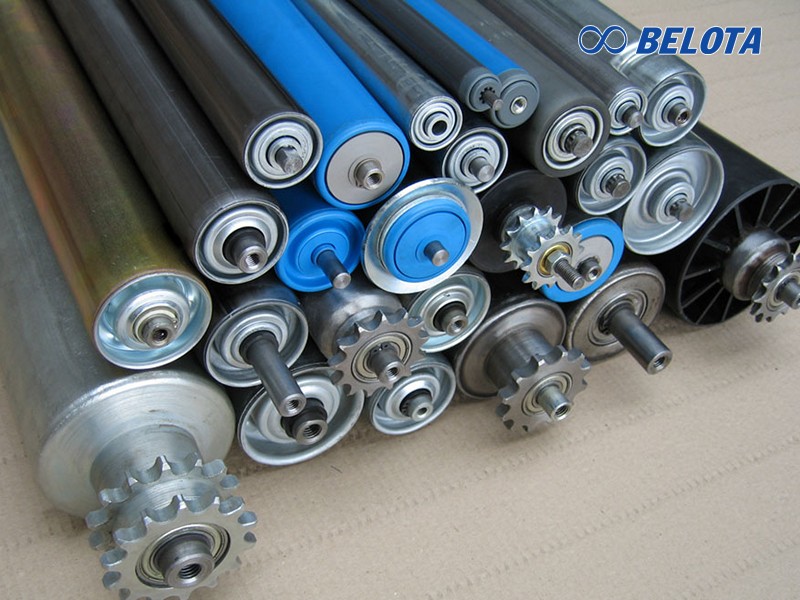
Xem chi tiếtA roller conveyor belt is a material handling system consisting of multiple rollers connected together to support and transport products in industrial environments. It is suitable for conveying goods ranging from light to heavy loads.
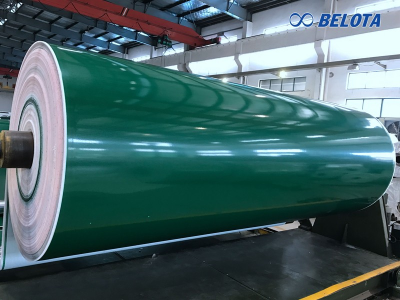
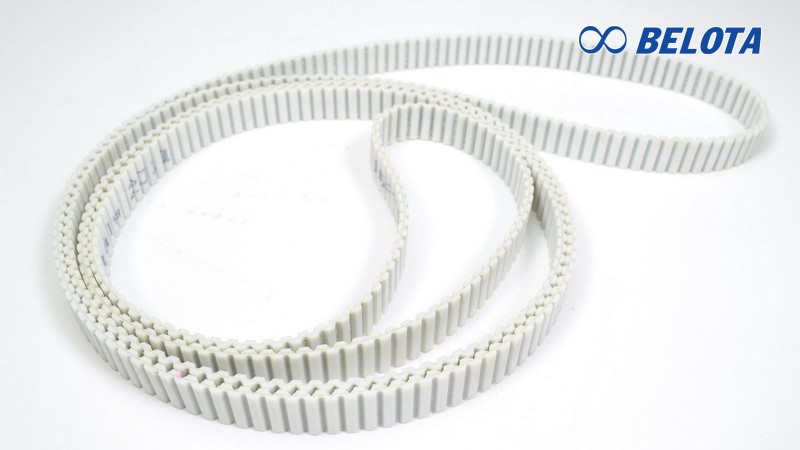
Xem chi tiếtPVC conveyor belts have become essential equipment across various production lines. They're the go-to solution for streamlining manufacturing and transportation processes. Let's break down what makes these systems tick and explore what's available in today's market.
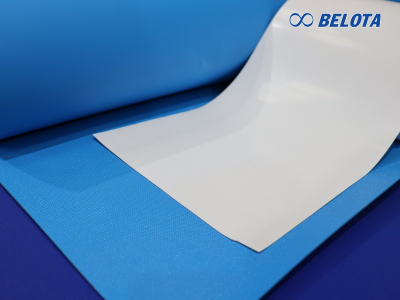
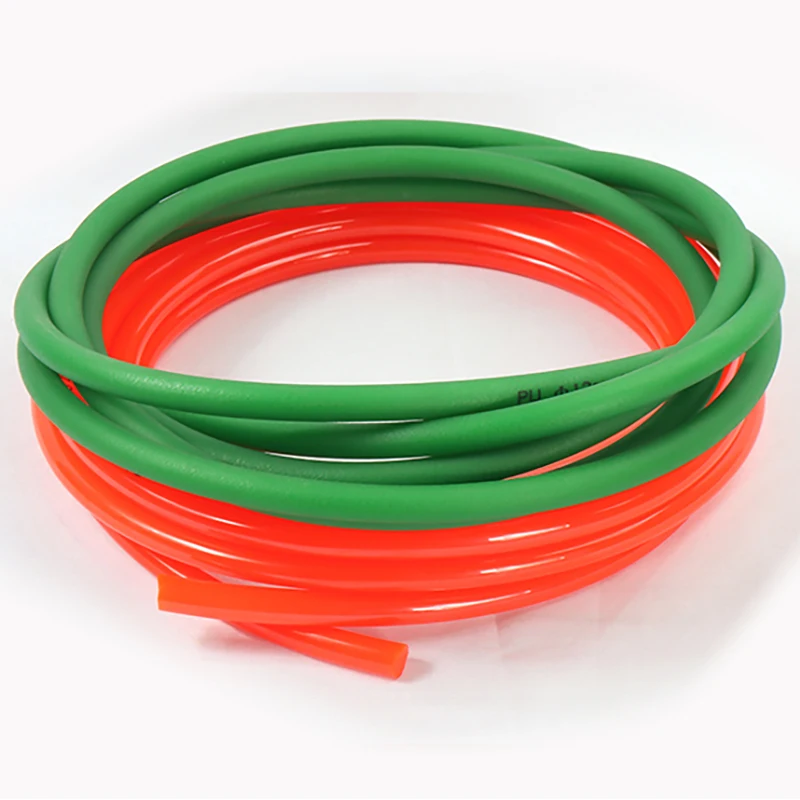
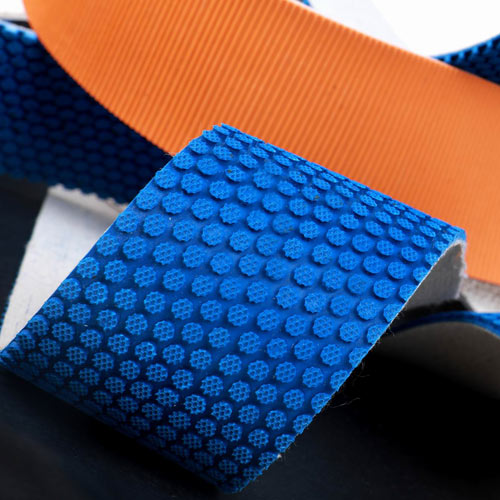
Xem chi tiếtPU conveyor belts are widely used thanks to their high durability, excellent abrasion resistance, and strong chemical resistance. Follow Belota to learn more about the outstanding features of this material.
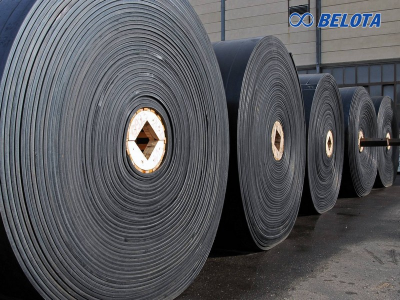
Xem chi tiếtRubber conveyor belts are widely chosen by many businesses thanks to their outstanding performance and ability to meet the demands of almost all industries, from mining, construction, and cement to food processing and airports
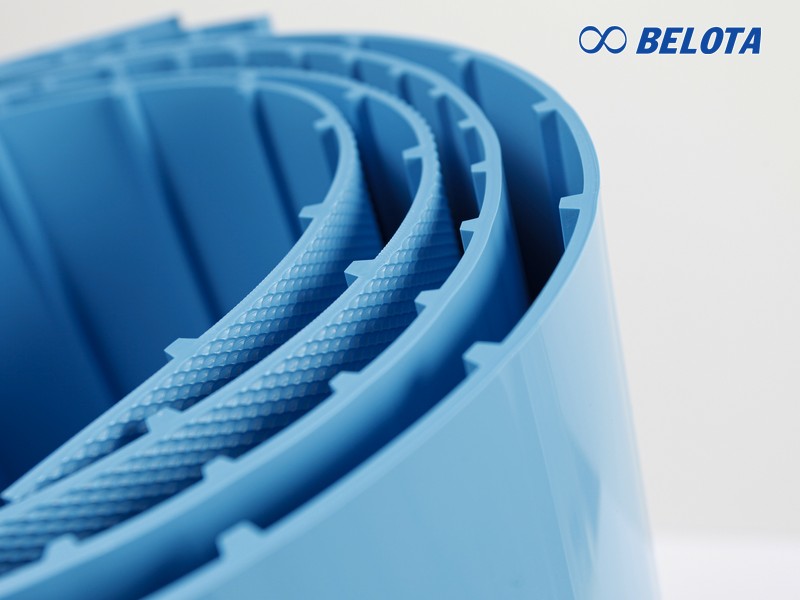
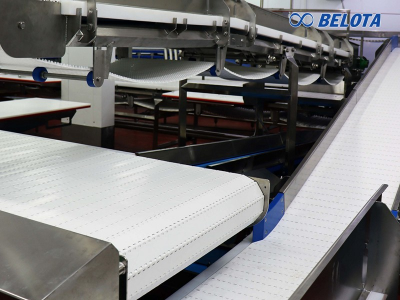
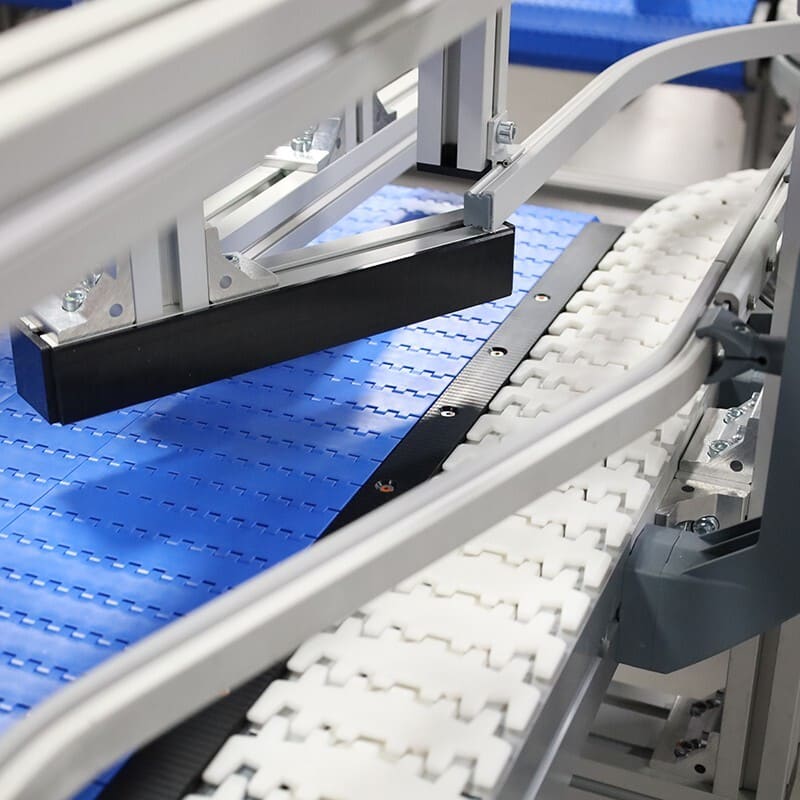
Xem chi tiếtPlastic conveyor belts are made from interconnected plastic modules or PVC/PU sheets, forming a continuous moving belt. Their lightweight, non-corrosive, water-resistant, and hygienic characteristics make them suitable for many advanced production systems.
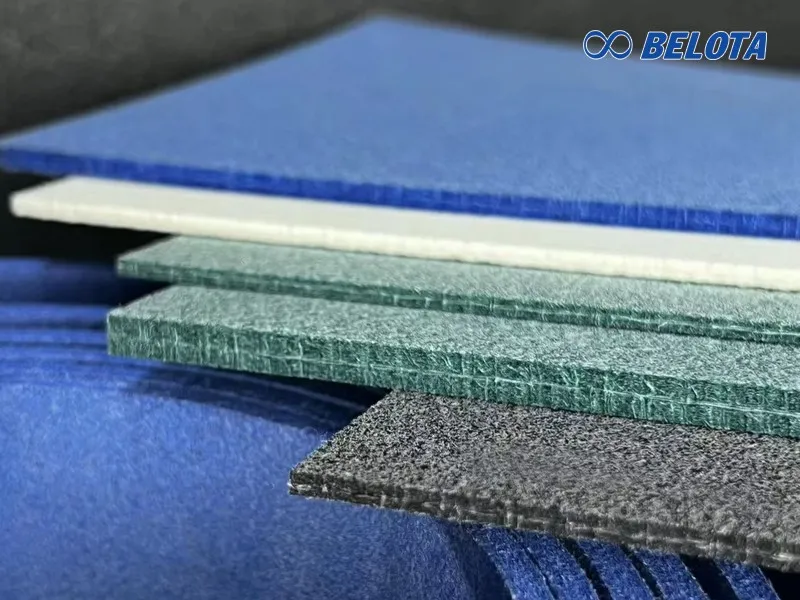
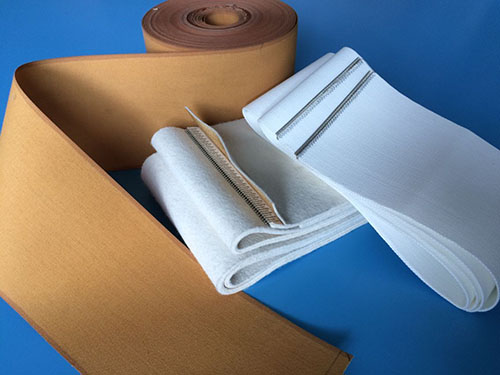
Xem chi tiếtFelt conveyor belts are a specialized type of conveyor belt widely used in industries that require surface protection for products, such as textiles, printing, electronics, woodworking, and food processing.
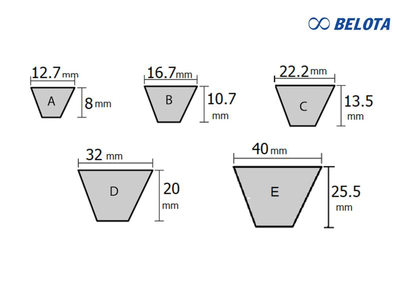
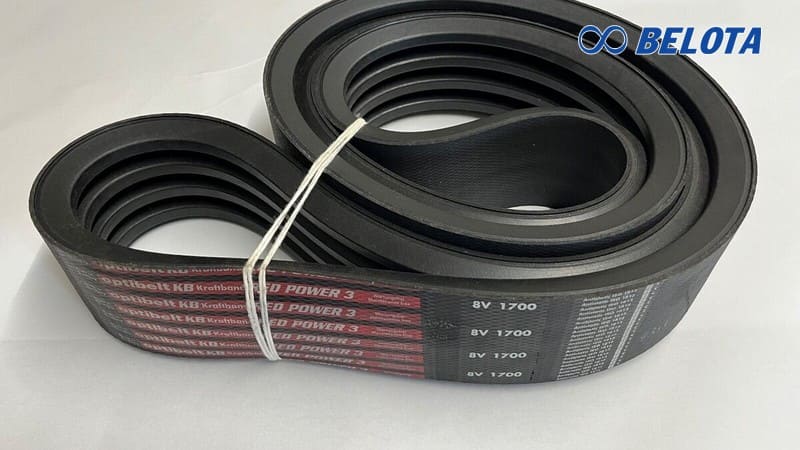
Xem chi tiếtV-belts are one of the most widely used power transmission belts today, commonly applied in air compressors, industrial fans, pumps, processing machines, and manufacturing equipment
Xem chi tiếtANSI standard chains are roller chains widely used in industrial power transmission systems thanks to their standardized dimensions, high load capacity, and easy interchangeability.
Xem chi tiếtPRESTIGE - QUALITY - BRAND AFFIRMATION
Copyright © 2017 - 2025 Belota Co., Ltd