What Is an Industrial Garment Production Line?
An industrial garment production line is a manufacturing system that combines machinery, equipment, labor, and production management technologies to transform raw fabrics into finished products such as shirts, pants, uniforms, and export garments.
Unlike manual tailoring, industrial production allows manufacturers to produce large volumes with consistent quality while optimizing production costs. This system plays a critical role in meeting fast-changing market demands and supporting the rapid growth of the global fashion industry.
The Importance of Garment Production Lines in the Textile Industry
Garment production lines play a vital role in optimizing manufacturing processes, helping apparel manufacturers standardize operations, reduce costs, and improve productivity. Investing in automated production systems offers several key benefits for modern factories:
- Higher productivity: Continuous and synchronized workflows reduce downtime, increase output capacity, and support large-volume orders.
- Labor optimization: Automation minimizes manual handling, reduces dependence on labor, and lowers operational costs.
- Consistent product quality: Standardized production processes help reduce defects and maintain uniform quality across production batches.
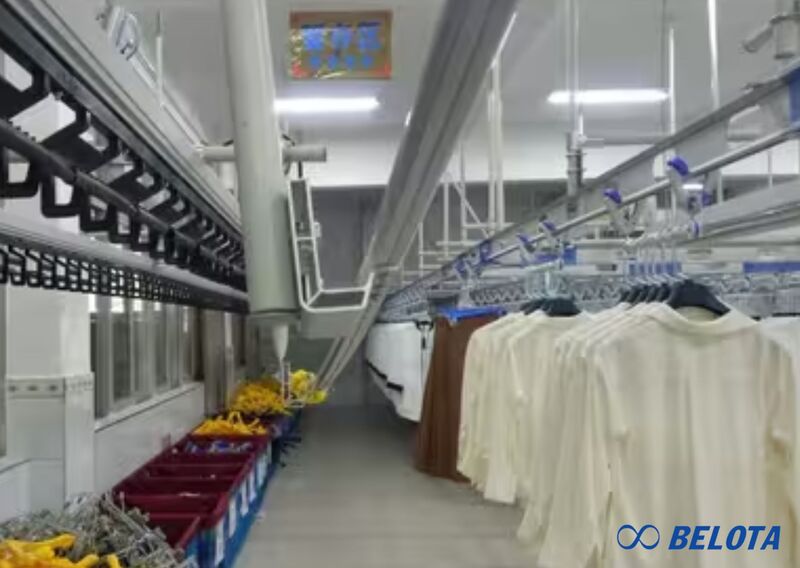
- Better factory layout optimization: Proper arrangement of sewing systems, conveyors, and workstations improves the movement of materials and semi-finished products.
- Shorter production time: Continuous operation speeds up product completion and improves delivery schedules.
- Easier production management: Manufacturers can monitor workflows, track productivity, and quickly resolve production issues.
- Improved competitiveness: Modern production systems help factories meet the strict requirements of global brands regarding quality, capacity, and lead time.
Conveyor Applications in Industrial Garment Production Lines
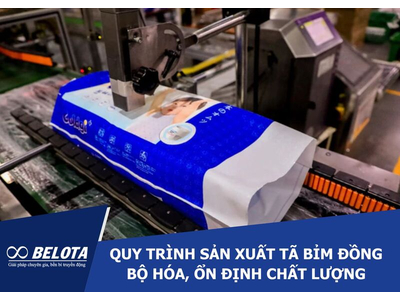
The role of conveyors in garment manufacturing goes far beyond transportation. Conveyor systems directly affect productivity, operational stability, and the automation level of the entire production line. By connecting processes such as cutting, sewing, heat pressing, inspection, and packaging, conveyors create a continuous workflow that minimizes bottlenecks and reduces reliance on manual labor.
In practice, conveyors function as the “circulatory system” of the factory, allowing products to move smoothly between workstations, shortening waiting times, improving production tracking, and reducing errors. At the same time, conveyor systems help optimize operating costs, improve product quality, and enhance overall manufacturing efficiency.
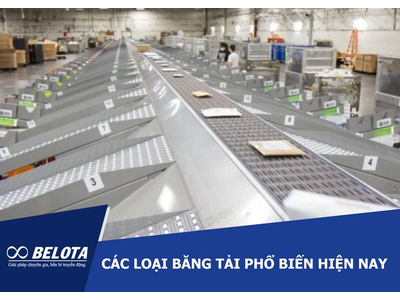
Different conveyor types are used depending on the application:
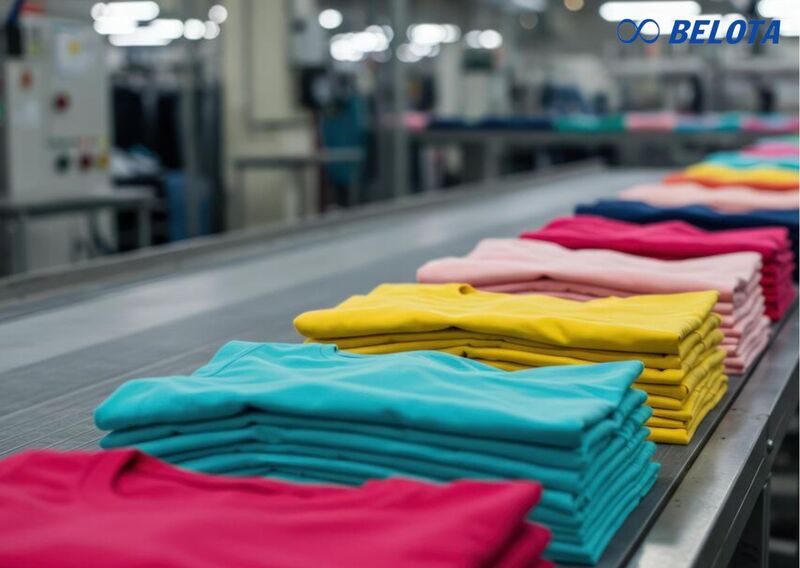
- PVC conveyor belts: The most commonly used system for transporting semi-finished garments during cutting, sewing, and inspection processes. They feature smooth surfaces, good grip, quiet operation, and easy speed adjustment.
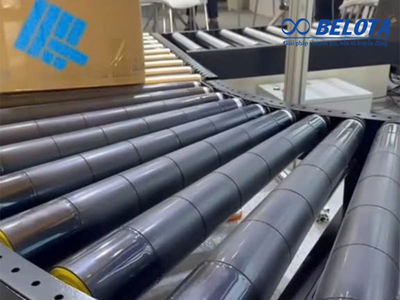
- Roller conveyors: Mainly used in packaging and warehouse logistics. Ideal for transporting cartons and packaged goods while supporting sorting and product accumulation efficiently.
- Chain conveyors: Designed for heavy-duty applications such as transporting fabric rolls, pallets, or large loads. They offer high load capacity and stable operation in industrial environments.
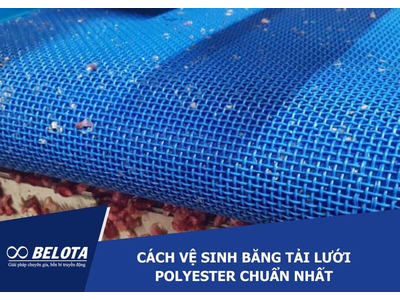
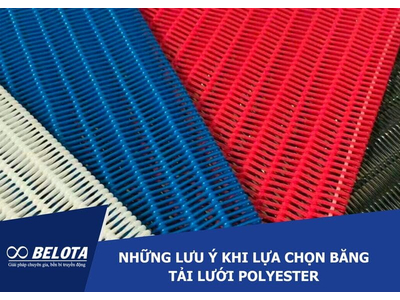
- Mesh conveyors: Suitable for cooling and ventilation processes after heat pressing. Their open structure allows excellent airflow and reduces heat accumulation.
- Felt conveyors: Commonly used in heat transfer printing, fusing, and garment transportation. The soft felt surface minimizes wrinkles and fabric damage while improving grip and product stability.
Industrial Garment Production Process
A standard garment manufacturing line generally includes the following stages:
Design and Product Development (R&D)
Production begins with fashion design, fabric selection, and pattern development using manual methods or CAD/CAM software. Technicians then perform size grading and marker optimization to reduce material waste and ensure accurate mass production.
Fabric Spreading and Cutting
Fabric layers are spread according to production specifications before being processed by industrial cutting machines or CNC cutting systems. In many factories, PVC conveyor belts are integrated into the cutting area to transport fabric pieces to sewing sections, reducing handling time and minimizing wrinkles or misalignment.
Sewing and Garment Assembly
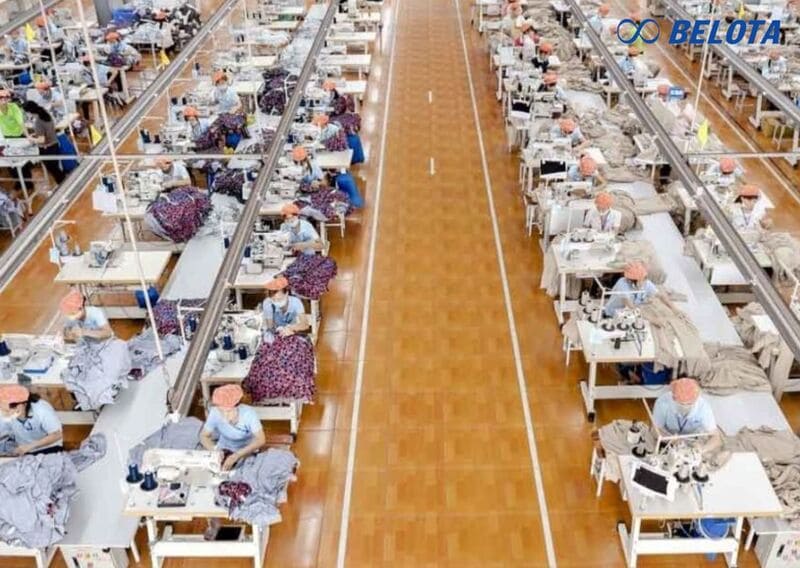
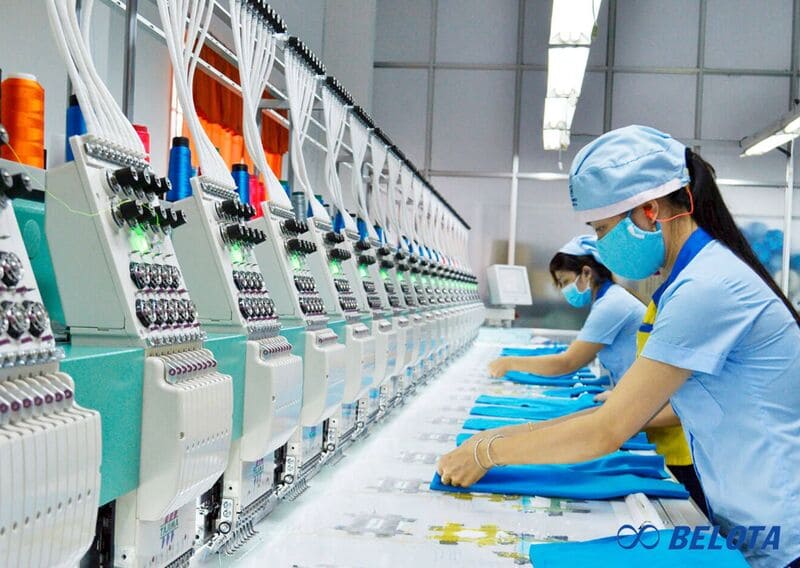
This is the core stage of the garment production process. Components such as sleeves, collars, pockets, and body panels are assembled through specialized sewing operations to improve productivity. PVC conveyor systems are widely used in sewing lines because of their smooth surfaces, stable grip, and quiet operation, allowing semi-finished garments to move continuously between workstations.
Printing and Embroidery
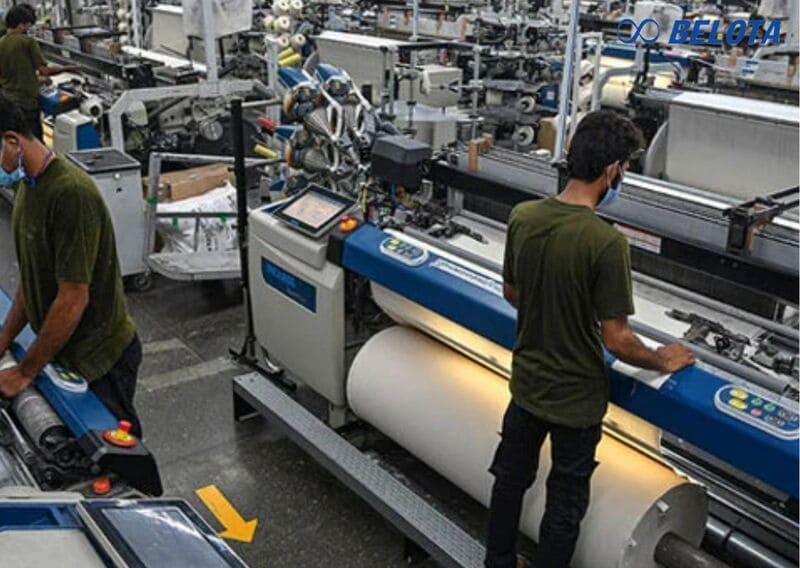
After basic sewing operations are completed, garments move to printing, embroidery, or heat-transfer stations for branding and decorative applications. At this stage, many factories invest in felt conveyor systems to stabilize fabric surfaces, reduce wrinkles, and prevent product damage during heat transfer or printing processes.
Ironing and Finishing
Finished garments are pressed and shaped to improve appearance before quality inspection. For processes requiring rapid cooling after heat pressing, mesh conveyors are commonly used to improve airflow and stabilize products more quickly.
Quality Control (QC)
At the QC stage, garments are inspected for stitching quality, sizing accuracy, shape consistency, and technical defects before packaging. Conveyor integration helps products move continuously between inspection stations, reducing waiting time and improving inspection efficiency.
Packaging and Shipping
After passing quality inspection, garments are sorted by size and model before being packed for shipment. Roller conveyors are widely used in this stage for carton transportation and order consolidation.
For heavy fabric bundles or palletized goods, chain conveyor systems are applied to ensure stable operation and high load capacity in continuous industrial environments.
Common Garment Production Line Systems
Progressive Bundle System (PBS): In this system, garments are grouped into bundles, and each worker performs a specialized task. It is the most common production model used in export garment factories.
- Sectional Production System: Production is divided into sections such as collars, sleeves, or body assembly to balance workflow and reduce idle time between operations.
- Modular Production System: This model uses multi-skilled worker teams and offers high flexibility, making it suitable for small orders and fast-changing fashion demands.
- One-Piece Flow System: Products move individually through each production stage rather than in bundles. This method reduces work-in-progress (WIP) inventory and improves production responsiveness.
- Make-Through System: A single worker completes almost the entire garment. This approach is suitable for small-scale production, custom tailoring, or personalized garments.
Modern Machinery and Software in Garment Manufacturing
Today’s garment factories increasingly integrate advanced technologies such as:
- CAD/CAM systems: For pattern design, grading, and cutting optimization
- Automation equipment: CNC cutting machines and programmable sewing machines
- MES software: Real-time production monitoring and management
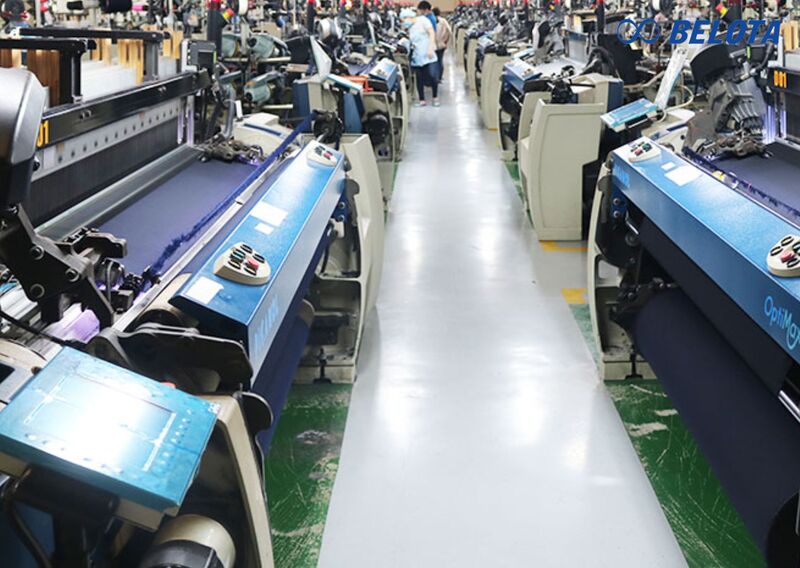
- IoT and production data systems: Used to optimize workflow efficiency and machine performance
Conclusion
Industrial garment production lines are the foundation of modern apparel manufacturing, helping businesses improve productivity, maintain consistent quality, and optimize operational efficiency. By combining scientific production processes, advanced technologies, and suitable conveyor systems, manufacturers can build highly efficient production environments capable of meeting the increasing demands of the global garment industry.