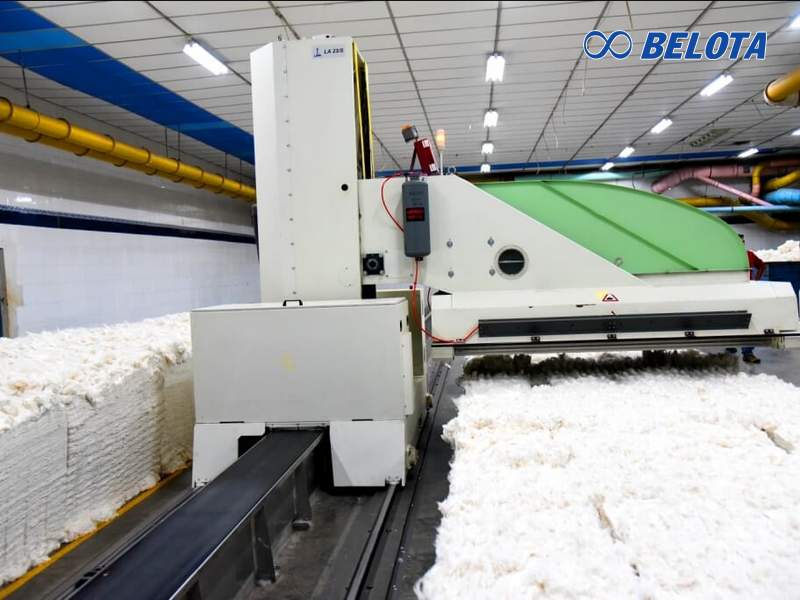
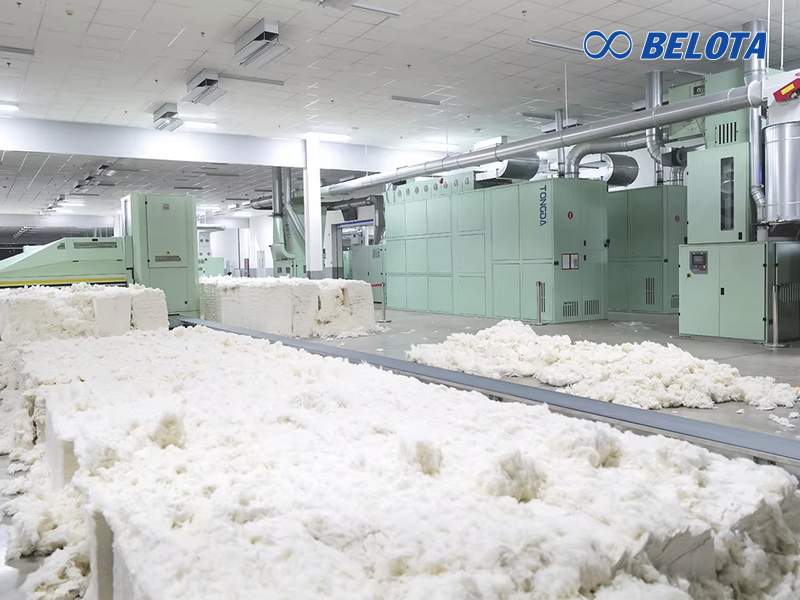
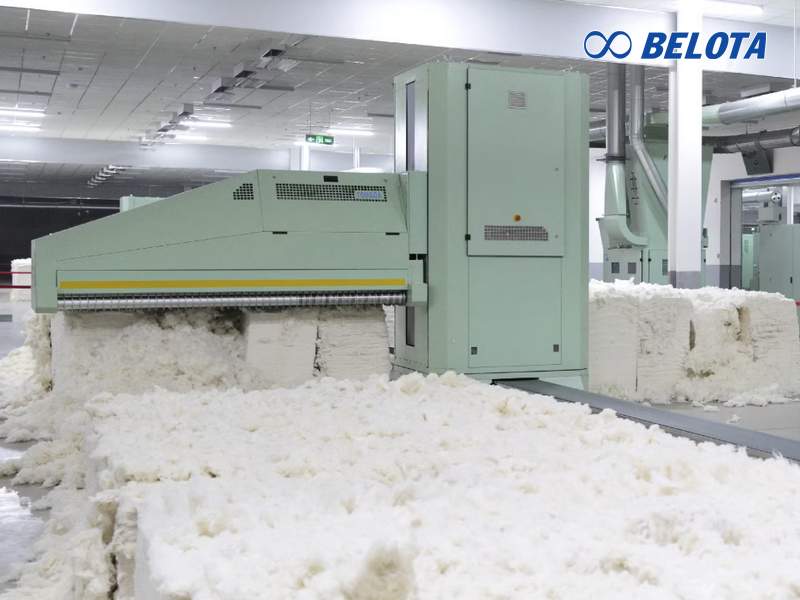
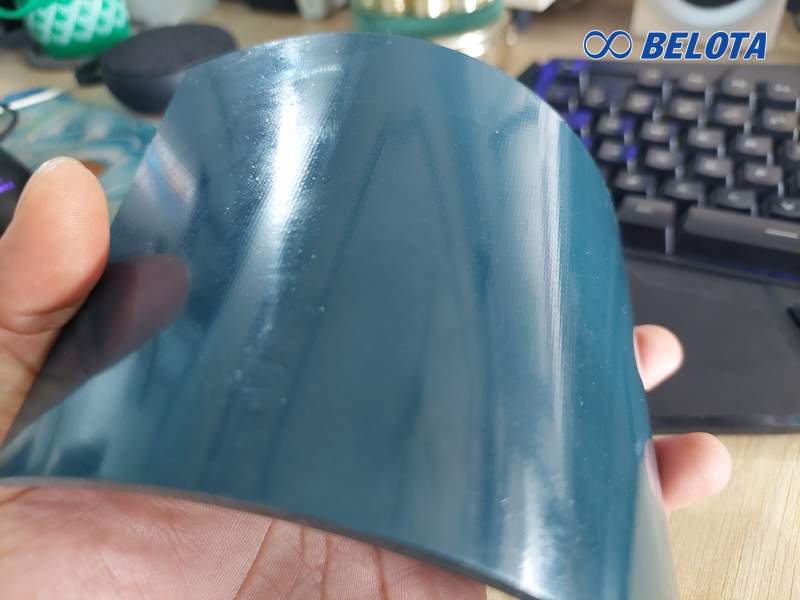

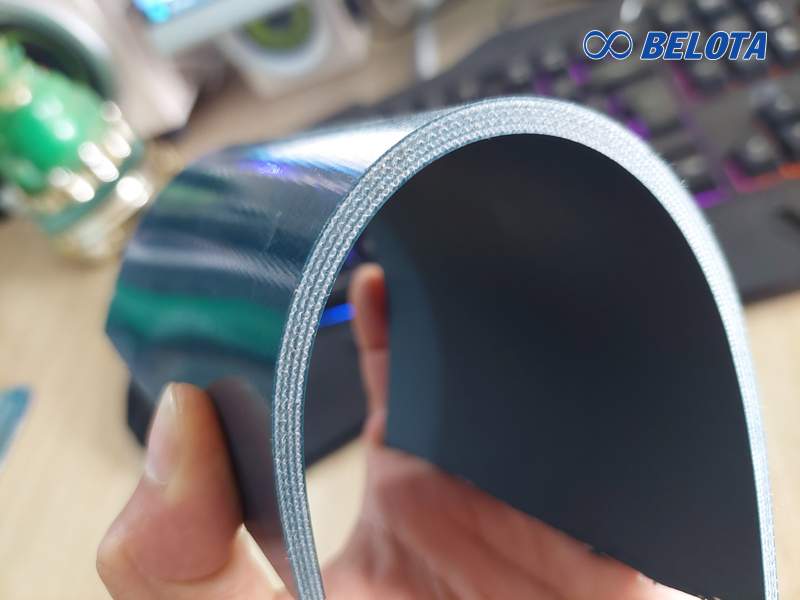
In a modern spinning line, the automatic bale opener is the first machine that determines the efficiency of the entire production process. To ensure consistent vacuum pressure and smooth fiber conveying, the Bale Opener Belt, also known as the Vacuum Slot Cover Belt or Zipper Belt, plays a vital role. This article explains its working principle, key features, material options, and compatible machine models.
Common Names & Primary Function
Common Names
- Bale Opener Belt
- Vacuum Slot Cover Belt
- Zipper Belt
- Vacuum Sealing Belt
Installation Position
The belt is installed along the vacuum slot running beneath the travel rail of the automatic bale opener.
How It Works
As the bale opener travels along the rail, it removes fibers from compressed cotton bales.
Beneath the machine is a continuous vacuum duct. Under normal operating conditions, the belt completely seals this slot to prevent air leakage.
When the machine head reaches a specific position, a mechanical lifting mechanism raises the belt, similar to opening a zipper, allowing the suction head to connect directly with the vacuum duct. Once the machine passes, the belt immediately closes again, restoring the airtight seal.
This unique operating principle enables the system to:
- Maintain stable vacuum pressure throughout the conveying system.
- Improve cotton fiber extraction efficiency.
- Minimize air leakage and energy loss.
- Prevent cotton dust from escaping into the production environment.
Working Principle of the Bale Opener Flat Belt
The flat belt serves as the primary power transmission component in the bale opening system, ensuring stable fiber opening and feeding throughout the process.
- Power Transmission: The flat belt transfers rotational power from the electric motor to the main opening shaft, delivering the torque required for continuous operation.
- Smooth Roller Rotation: As the belt rotates, it drives the opening rollers or blade shafts at a constant speed, ensuring uniform fiber opening without damaging the cotton.
- High Friction Grip: Its wide contact surface provides excellent friction against the pulleys, reducing slippage even under heavy operating loads.
- Shock Absorption: The belt's elasticity absorbs vibration and sudden load changes when processing densely compressed cotton bales, resulting in smoother machine operation.
- Stable Operating Speed: When motor loads fluctuate, the belt helps maintain a consistent shaft speed, allowing fibers to be opened evenly without clumping.
- Overload Protection: If excessive resistance occurs, the belt can slip slightly, acting as a built-in safety clutch that protects the motor, shafts, and transmission components from damage.
Key Features
Outstanding Wear Resistance
Designed for continuous industrial operation, the belt offers exceptional abrasion resistance, making it ideal for 24/7 spinning mills while minimizing maintenance downtime.
Excellent Crosswise Rigidity
The reinforced construction keeps the belt perfectly flat across its width.
Even on systems with travel lengths of 40–50 meters, the belt resists sagging and deformation, ensuring the vacuum slot remains tightly sealed.
Superior Vacuum Resistance
Built with high-strength reinforcement fabric, the belt withstands powerful negative pressure generated by central vacuum fans.
It maintains its shape without collapsing or shifting from the guide rail, ensuring reliable sealing performance and stable bale opening efficiency.
Belt Materials & Specifications
Different machine generations and vacuum capacities require different belt constructions.
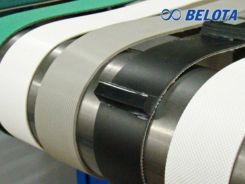
Heavy-Duty Rubber Belt
Manufactured with reinforced fabric coated in NBR or Chloroprene rubber.
Advantages
- Excellent sealing performance
- Outstanding durability
- High resistance to strong vacuum pressure
- Ideal for older machines or heavy-duty applications
PVC / PU Synthetic Belt
Constructed with high-rigidity polyester reinforcement coated with PVC or polyurethane.
Advantages
- Lightweight
- Smooth running surface
- Lower friction
- Cost-effective
- Commonly available in black or dark blue
Standard Dimensions
Belt Width
- 180 mm
- 220 mm
- 280 mm
- 300 mm
- 350 mm
- 380 mm
Belt Thickness
- 2.5 - 4.5 mm
Custom sizes are available upon request.
Compatible Machines & Typical Belt Sizes
The required belt dimensions depend on the machine model and rail length.
| Belt Size (Width × Length) | Typical Machine Application |
|---|---|
| 350 × 25,500 mm | Standard size for Jingwei JWF1009 and JWF1012 bale opener machines. |
| 380 × 26,000 mm | Commonly used in high-capacity spinning lines, where the wider belt helps maximize vacuum airflow. |
| 380 × 20,000 mm | Suitable for shorter production lines or as a replacement for older bale opener systems. |
| 300 × 42,000 mm | Designed for long-travel European bale opener systems, including Rieter Unifloc and Trützschler machines. |
The belts are also compatible with machines from:
- Marzoli (Super Blender)
- Crosrol
- Other automatic bale opening systems
Why the Bale Opener Belt Matters
Maintaining consistent vacuum pressure is critical to the bale opening process.
For this reason, the Bale Opener Belt should be regarded as a precision-engineered component rather than a standard consumable. A properly manufactured belt improves vacuum efficiency, reduces energy consumption, minimizes downtime, and extends the service life of the entire system.
Belota - Your Trusted Supplier of Bale Opener Belts
Belota supports textile manufacturers with reliable conveyor and transmission solutions tailored to demanding production environments.
Why Choose Belota?
- Precision dimensions for an exact machine fit
- Premium-quality materials
- Custom manufacturing to customer specifications
- Fast nationwide and international delivery
- Professional technical consultation
Contact Belota today for expert technical support and a competitive quotation.
- Hotline / Zalo: +84 917 657 946
- Website: belota.com.vn