Conveyor belts are essential components in industrial production lines. However, improper storage can cause belt materials to age, deform, or lose performance before they are even installed. Following the correct storage practices - including proper temperature, humidity, storage location, and handling methods—helps preserve belt quality, minimize damage, and reduce operating costs. In this guide, Belota Conveyor explains the recommended practices for storing conveyor belts to ensure maximum performance and long service life.
Why Is Proper Conveyor Belt Storage Important?
Conveyor belts are critical to the performance of virtually every material handling system. If they are not stored correctly before installation or during long-term warehousing, the belt may become deformed, lose elasticity, experience premature aging, or suffer reduced mechanical strength, all of which can negatively affect operating performance.
Environmental factors such as temperature, humidity, sunlight, chemicals, and improper storage methods can significantly shorten a belt's service life. By following the proper storage guidelines, businesses can preserve product quality, reduce unnecessary replacement costs, and ensure that all types of conveyor belts are ready to perform at their best when put into service.
Best Practices for Storing Conveyor Belts
To maintain belt quality and maximize service life during storage, follow these recommendations:
Store at the Proper Temperature and Humidity
Store conveyor belts in an environment with a temperature between 15°C and 25°C (59°F–77°F) and relative humidity between 40% and 65%. Excessive heat, freezing temperatures, or high humidity can accelerate material aging and reduce flexibility.
Choose a Suitable Storage Location
Keep conveyor belts in a clean, dry, well-ventilated warehouse. Avoid placing belt rolls directly on the floor. If outdoor storage is unavoidable, provide adequate shelter to protect the belts from rain, sunlight, and dust.
Protect from Direct Sunlight and UV Exposure
Prolonged exposure to sunlight and ultraviolet (UV) radiation can cause PVC, PU, and rubber conveyor belts to crack, harden, and deteriorate. Whenever possible, store belts indoors or cover them with suitable protective packaging.
Keep Away from Chemicals
Do not store conveyor belts near acids, alkalis, solvents, oils, or other corrosive chemicals. Chemical exposure can alter the belt material and reduce its performance and service life.
Avoid Ozone-Generating Equipment
Keep belts away from equipment that produces ozone, such as arc welding machines, UV lamps, and certain laser printers. Ozone accelerates rubber degradation and premature aging.
Store Belt Rolls Correctly
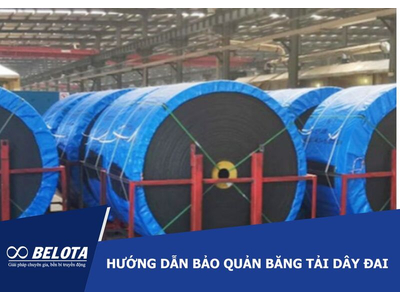
Roll conveyor belts around cores with an appropriate diameter. Never fold, crease, or sharply bend the belt. Large belt rolls should be placed on pallets or storage racks, and excessive stacking should be avoided to prevent deformation.
Keep Belts Clean and Dry
Before placing belts into storage, remove dirt, grease, and debris, and ensure the surface is completely dry. This helps prevent mold growth and material deterioration.
Use Proper Protective Packaging
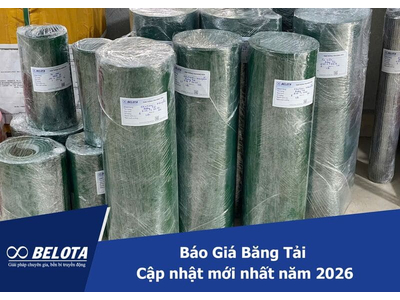
Whenever possible, keep the original manufacturer's packaging. Alternatively, use PE bags, PA bags, or anti-static protective films to shield the belts from dust, moisture, and environmental contaminants.
Apply the FIFO Inventory Method
For facilities storing large quantities of conveyor belts, implement the FIFO (First In, First Out) inventory management system to ensure older stock is used first and to minimize long-term storage.
Common Conveyor Belt Storage Mistakes
Improper storage practices can significantly reduce conveyor belt performance and lifespan. Avoid the following mistakes:
- Leaving conveyor belts outdoors for extended periods.
- Exposing belts directly to sunlight or UV radiation.
- Folding or sharply bending belt rolls during storage.
- Stacking too many belt rolls on top of one another.
- Storing belts near chemicals, solvents, or heat sources.
- Keeping belts in damp, dusty, or poorly ventilated environments.
- Failing to clean belts before long-term storage, allowing dirt and grease to remain on the surface.
Frequently Asked Questions
Can conveyor belts be stored outdoors?
No. Outdoor storage should only be considered if the belts are fully protected by a weatherproof shelter that prevents exposure to rain, sunlight, and dust.
What is the recommended storage temperature?
The ideal storage temperature is 15°C to 25°C (59°F to 77°F) with a relative humidity between 40% and 65%.
Should conveyor belts be folded during storage?
No. Conveyor belts should always be rolled around a properly sized core to prevent permanent deformation.
How often should stored conveyor belts be inspected?
Stored belts should be inspected every 1 to 3 months to check for moisture, deformation, contamination, or signs of material aging.
Conclusion
Proper conveyor belt storage plays a vital role in maintaining material quality, extending service life, and ensuring reliable performance once the belt is installed. Controlling storage temperature, humidity, environmental conditions, and following proper handling and packaging practices can significantly reduce the risk of premature aging, deformation, and unnecessary damage. Belota recommends implementing a standardized storage and inspection program for every conveyor belt type - including PVC, PU, rubber, and modular plastic conveyor belts - to maximize operational efficiency and reduce maintenance costs. If you need expert advice on selecting, storing, or replacing conveyor belts for your specific application, contact Belota. Our technical team is ready to provide professional support, fast response times, and cost-effective solutions.