In manufacturing plants, warehouses, and logistics distribution centers, parcel sorting conveyor systems help automate material handling, reduce manual labor, and minimize sorting errors when processing large volumes of orders. These systems can sort products by size, weight, shape, barcode, or specific operational requirements. In this article, Belota explains the design, working principle, and applications of these conveyor systems to help businesses select the right solution for their operations.
What Is a Parcel Sorting Conveyor System?
A parcel sorting conveyor system, also known as a conveyor sorting system, is a material handling solution designed to transport products to designated sorting lanes, collection points, or processing areas. Depending on the configuration, the system may use mechanical diverters or integrate sensors, controllers, and identification devices for automated sorting.
Common sorting criteria include size, weight, shape, color, barcode, QR code, and shipping destination. Once the product information is identified, the system directs each item to the appropriate chute, collection bin, branch conveyor, or designated handling area.
These systems are particularly suitable for high-volume warehouses, distribution centers, and manufacturing facilities that require continuous product sorting while reducing reliance on manual handling.
Main Components of a Warehouse Sorting Conveyor System
The configuration of a warehouse sorting conveyor system depends on the type of goods, sorting criteria, and required level of automation. A complete system may include the following components:
- Conveyor frame: Manufactured from painted steel, galvanized steel, stainless steel, or aluminum profiles, depending on load capacity, operating conditions, and hygiene requirements.
- Conveyor belt or rollers: Transport goods throughout the system. Common options include PVC, PU, rubber belts, modular plastic chains, metal chains, and conveyor rollers.
- Motor and drive system: Provide the necessary driving force and maintain conveyor speed according to the required throughput.
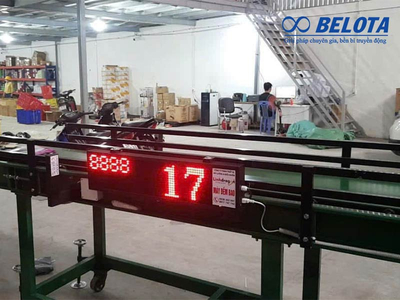
- Sensors and identification devices: May include photoelectric sensors, cameras, barcode scanners, and weighing equipment to collect product information.
- Central control system: Typically uses a programmable logic controller (PLC) and control software to process signals and execute sorting commands.
- Diverting mechanism: May consist of pushers, diverter arms, angled rollers, pop-up wheels, or transfer conveyors to direct products toward their assigned destinations.
- Electrical and safety system: Includes electrical control panels, emergency stop buttons, protective devices, and other safety components based on the system design.
Not every application requires all these components. Simple sorting operations may only need a conveyor with mechanical diverters, while more advanced automated sorting systems require suitable identification equipment and integrated controls.
How Does a Parcel Sorting Conveyor System Work?
A conveyor sorting system operates through the coordination of material handling equipment, product identification devices, and automated diverting mechanisms.
- Product infeed: Parcels or products enter the conveyor system from production lines, packing stations, or receiving areas.
- Product identification: Sensors, cameras, barcode scanners, or weighing devices collect information according to predefined sorting criteria.
- Data processing: The control system processes the collected information and determines the appropriate sorting destination.
- Product diversion: The sorting mechanism activates to transfer products onto branch conveyors, sorting chutes, or designated collection areas.
- Collection and handling: Sorted products are grouped for further packing, storage, inspection, or shipping.
Common Types of Warehouse Sorting Conveyors
Roller Conveyor Sorting Systems
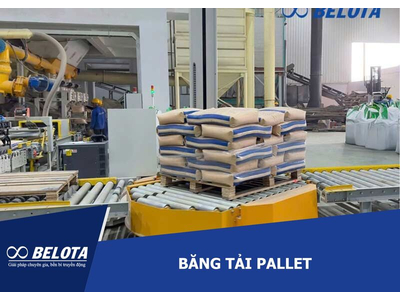
Roller conveyors use a series of closely spaced rollers to transport cartons, packages, and products with relatively flat, stable bottom surfaces. These systems can incorporate powered rollers, gravity rollers, or diverting mechanisms to distribute goods across different conveyor lines.
Roller conveyor sorting systems are widely used in warehouses, distribution centers, and packaging operations. When designing the system, factors such as package dimensions, load capacity, roller spacing, and transfer methods must be considered to ensure smooth and reliable product movement.
PVC/PU Belt Sorting Conveyors
PVC conveyor belts and PU conveyor belts provide a continuous conveying surface for transporting packaged goods, lightweight to medium-weight products, and items requiring inspection or sorting during production.
Depending on the application, businesses can choose smooth, textured, or cleated belt surfaces. For automated sorting, these conveyors can be integrated with sensors, cameras, pushers, or diverting mechanisms.
Chain Conveyor Sorting Systems
Chain conveyors use interconnected chain links to transport products along a designated path. Their robust construction makes them suitable for certain heavy-duty loads, industrial components, and products requiring a rigid conveying surface.
Depending on the chain type and system configuration, chain conveyors can incorporate transfer or diverting mechanisms to route products to different processing areas within a production facility.
Automated Sorting Conveyor Systems
Automated sorting conveyor systems combine product identification devices, control systems, and diverting mechanisms to sort goods according to predefined criteria. These systems may use barcodes, QR codes, product dimensions, weight measurements, or camera-based data to determine the correct destination for each item.
Automated sortation is commonly used in logistics, e-commerce fulfillment centers, parcel delivery hubs, and manufacturing facilities that require continuous, high-volume sorting. The system configuration should be selected based on the number of SKUs, sorting destinations, and required throughput.
Multi-Lane Sorting Conveyor Systems
Multi-lane sorting conveyors distribute products from a main conveyor line into multiple downstream lanes. Depending on the application, the system may use diverter arms, branch conveyors, roller transfers, or specialized sorting equipment.
This configuration allows businesses to organize multiple collection points within a single material handling system. It is particularly useful for packing areas, order consolidation, and distribution centers. The number of sorting lanes, diverting angles, and spacing between discharge points should be determined according to the available floor space and operational requirements.
Size and Weight Sorting Conveyors
- Size-based sorting conveyors may incorporate dimensioning sensors, cameras, or mechanical measuring devices to classify products according to their physical dimensions.
- For weight-based sorting, the system can integrate in-motion weighing equipment, checkweighers, or load cells, depending on the required accuracy and operating conditions.
- Once the measurements are collected, the controller assigns each product to a sorting category and activates the appropriate diverting mechanism.
- These systems are commonly used in packaging operations, agricultural product processing, quality inspection, and industrial manufacturing.
Advantages of Parcel Sorting Conveyor Systems
- Increased sorting productivity: Goods can be transported and sorted continuously, reducing processing time compared with manual sorting in suitable applications.
- Reduced sorting errors: Properly configured systems help direct products to their assigned categories or destinations with greater consistency.
- Lower labor requirements: Partial or full automation reduces repetitive manual sorting and material handling tasks.
- Optimized material flow: Integrated conveyor routes and collection points minimize unnecessary product movement within the facility.
- Easy production line integration: Sorting conveyors can connect with packing stations, checkweighers, labeling equipment, storage areas, and shipping operations.
- Flexible system configurations: Conveyor layouts can be customized according to the number of sorting lanes, load capacity, operating speed, and sorting requirements.
The return on investment depends on actual throughput, automation level, operating costs, and compatibility with existing equipment. Businesses should evaluate these factors before selecting a sorting conveyor solution.
How to Choose the Right Warehouse Sorting Conveyor System
To ensure efficient operation and cost-effective investment, businesses should clearly define their requirements before designing a warehouse sorting conveyor system.
- Product characteristics: Identify the size, shape, weight, surface properties, and packaging conditions of the goods being handled.
- Sorting criteria: Determine whether products need to be sorted by barcode, dimensions, weight, color, order information, or other specific requirements.
- Required throughput: Calculate the number of items to be processed per hour, conveyor speed, and minimum spacing between products.
- Number of sorting destinations: Define the required discharge points, collection areas, and product flow directions.
- Available floor space: Evaluate conveyor length, width, installation height, access aisles, and connections to existing equipment.
- Automation requirements: Consider whether a simple mechanical sorting system is sufficient or if the application requires sensors, cameras, PLC controls, and sorting software.
- Future expansion: Allow for potential increases in throughput or additional sorting lanes as operations grow.
- Maintenance and safety: Prioritize designs that provide easy access for inspection, component replacement, and appropriate safety protection.
Careful evaluation of these factors helps minimize unexpected issues during manufacturing, installation, and daily operation.
Conclusion
Parcel sorting conveyor systems help automate product transportation, routing, and distribution, improving operational efficiency while reducing manual handling requirements. Depending on product characteristics and sorting criteria, businesses can choose roller conveyors, PVC/PU belt conveyors, chain conveyors, or fully automated sorting systems equipped with sensors and control technology. Belota provides technical consultation and custom conveyor fabrication services tailored to each customer's facility layout, production workflow, and operational requirements. Our goal is to deliver practical material handling solutions that support efficient and reliable warehouse operations.