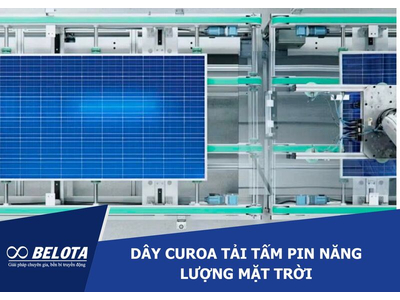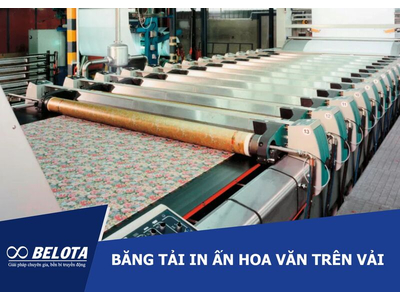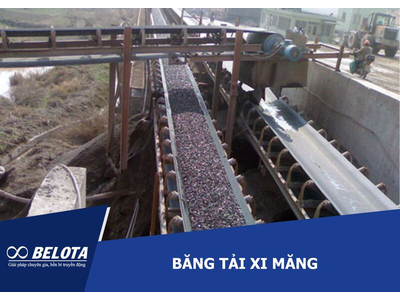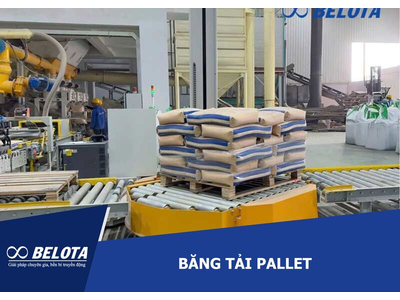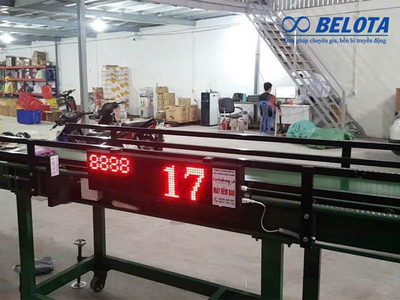
Carton box conveyor systems help optimize transport, sorting, and packaging in factories and warehouses, contributing to improved efficiency and reduced operating costs. In this article, Belota provides an overview of construction, classification, applications, and how to select the right system to help businesses evaluate and implement effectively.
What is a Carton Box Conveyor?
A carton box conveyor is an automated transport system used to move, package, sort, and handle carton boxes in factories, warehouses, or logistics centers continuously and stably. This solution replaces manual handling, optimizes processes, and improves operational efficiency.
The system is widely used in food, electronics, textile, pharmaceutical, and e-commerce industries, helping reduce labor dependency and increase production line synchronization.
System Construction
A complete carton box conveyor system consists of the following main components:
- Frame: Fabricated from powder-coated steel or stainless steel, ensuring rigidity and continuous load-bearing capacity.
- Conveying Surface: The part directly contacting carton boxes, selected according to product characteristics and operational requirements:
- PVC/PU belt: common, good grip, stable operation, easy to clean
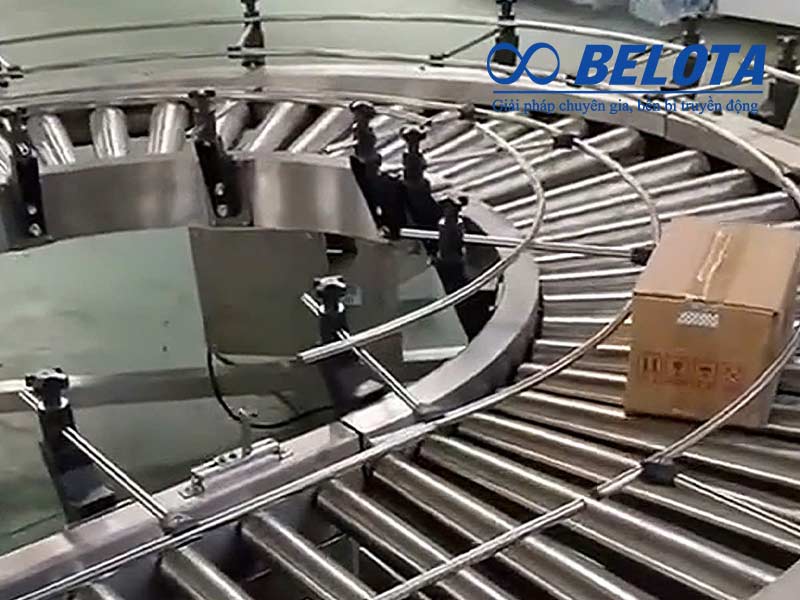
- Roller conveyor: suitable for flat-bottomed cartons, medium to heavy loads
- Modular plastic belt: high durability, good load resistance, suitable for humid environments or frequent cleaning
- Rubber belt: used when increased grip or inclined surface transport is needed
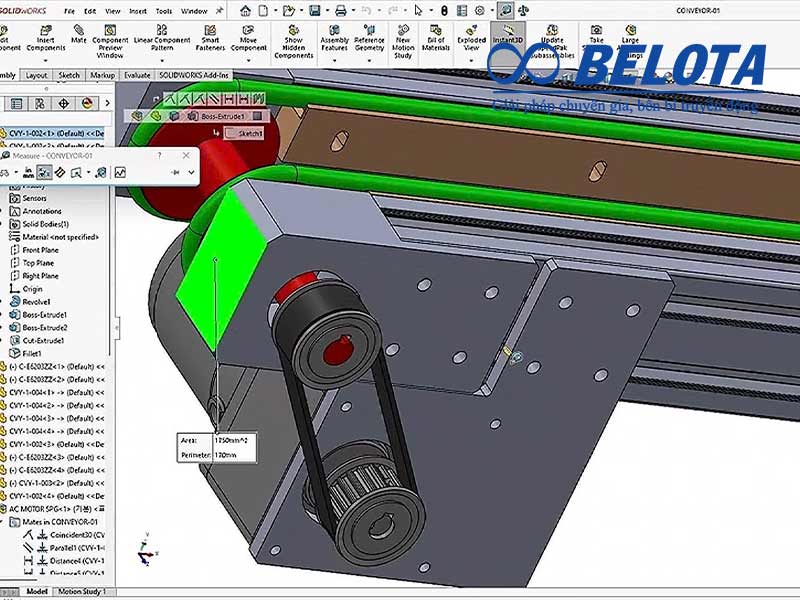
- Motor and Gearbox: Electric motor combined with gearbox to control speed, with optional inverter integration for flexible adjustment.
- Control System: PLC controller for automated operation, connected to sensors for speed control, obstacle detection, and safety assurance.
- Diverting and Lane Sorting System: Includes direction-change modules (90°, 180°) and lane dividers to coordinate cartons in multiple directions.
Benefits of Carton Box Conveyors
- Increased operational productivity: Continuous operation maintains stable product flow and increases output
- Optimized labor costs: Reduces dependence on manual handling labor for long-term cost savings
- Reduced cargo damage: Uniform transport minimizes impacts and reduces carton crushing rates
- Improved workplace safety: Reduces risks associated with manual lifting and moving of heavy goods
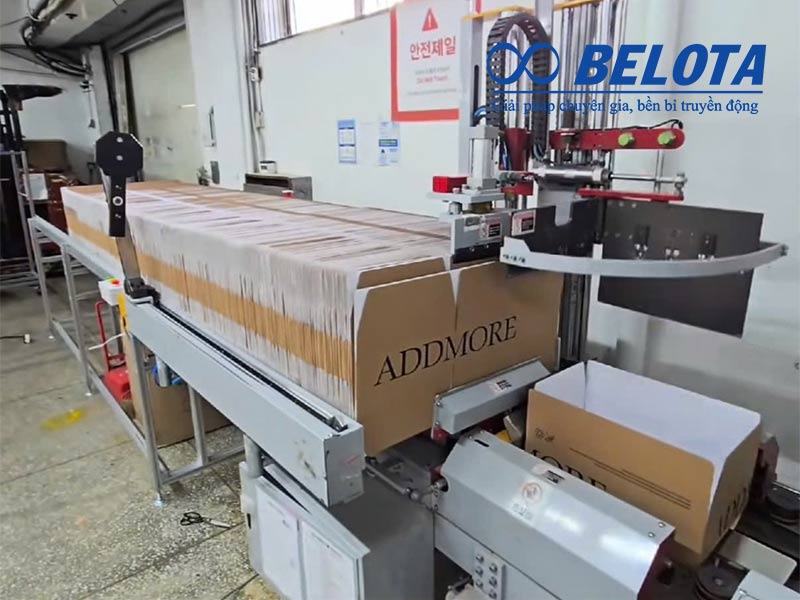
- Easy automation integration: Can connect with robots, warehouse management systems (WMS), labeling machines, and other line equipment
Technical Specifications
| Parameter | Description |
|---|---|
| Maximum load capacity | Maximum carton weight the conveyor can bear (kg/m) |
| Belt width | Should exceed carton width by 50–100mm for stable transport |
| Transport speed | Typically 10–60 m/min, adjustable via inverter |
| Belt length | Designed per workshop floor plan and production line layout |
| Motor power | Selected based on load capacity, conveyor length, and operating speed |
| Surface material | PVC/PU belt, roller conveyor, or plastic modular belt depending on the operating environment |
Classification of Industrial Conveyors for Cartons
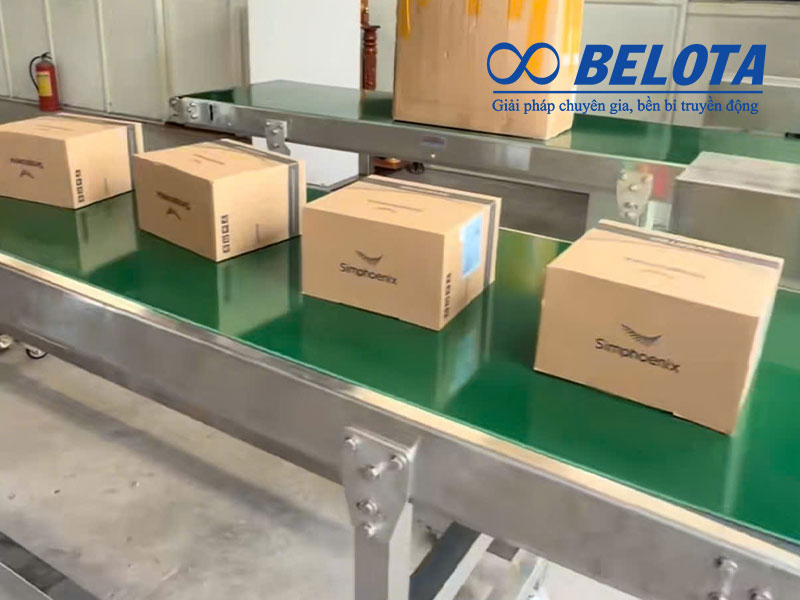
- Flat Conveyor: Horizontal transport, simple configuration, easy to deploy. Can use various surfaces including PVC/PU or rollers.
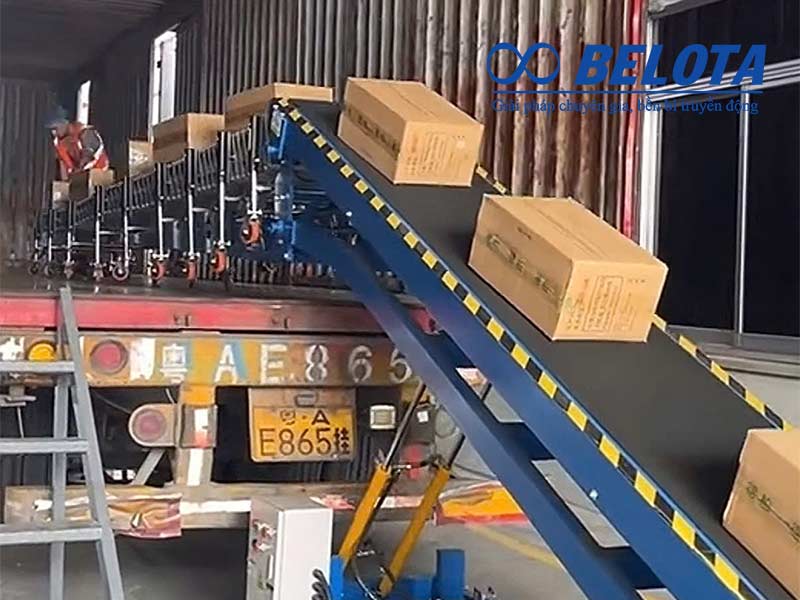
- Inclined Conveyor: Designed to transport cartons up or down between elevations. Typically uses grip surfaces like PVC or rubber to prevent slipping.
- Motorized Conveyor: Uses motors for automatic transport, suitable for lines requiring stable speed and continuous operation.
- Automated Sorting Conveyor: Equipped with sensors and control systems to divert cartons by size, weight, or identification code. Suitable for distribution centers and e-commerce warehouses.
- Spiral Conveyor: Space-saving vertical solution allowing continuous transport between multiple floors in limited spaces.
Applications
- Food & Beverage: Transporting cartons from packaging to storage, meeting hygiene and product stability requirements
- Electronics: Moving packaged components and finished goods between production, inspection, and shipping stages
- E-commerce & Logistics: Integrated with scanning and sorting systems, supporting high-volume order processing at high speed
- Pharmaceuticals: Transporting cartons in strictly controlled environments meeting manufacturing standards
- Textile & Footwear: Moving products through finishing, inspection, and packaging stages before warehouse exit
Selection Guide
- Step 1: Define transport requirements - Collect information on carton dimensions (L×W×H), average weight, and desired throughput (boxes/hour).
- Step 2: Survey installation site - Measure floor space, height, and identify start and end points of the line.
- Step 3: Evaluate working environment - Identify factors such as humidity, temperature, dust, or chemicals to select appropriate surface materials and frames.
- Step 4: Select a supplier - Prioritize suppliers with practical design and implementation experience, capable of providing solutions and post-installation technical support.
- Step 5: Request detailed quotation - Quotation should clearly show configuration, installation scope, operating instructions, and warranty policy.
Investment Costs
| System Type | Reference Price |
|---|---|
| Basic system (straight conveyor, standard configuration) | Approx. 30–80 million VND |
| Mid-range system (inverter, basic sensors integrated) | Approx. 100–300 million VND |
| High automation system (PLC, sorting, management system integration) | From 500 million VND and above |
Maintenance Notes
- Daily: Check belt tension, clean surfaces, monitor for abnormalities
- Weekly: Check bolts and nuts, lubricate friction points
- Monthly: Inspect electrical system, evaluate motor and gearbox condition
- Annually: Comprehensive system inspection, replace belts or deteriorating components
FAQ
PVC belt or roller conveyor for cartons?
PVC/PU belt is suitable for inclined transport or when a perfectly flat surface is needed for small, light boxes. Roller conveyors are appropriate for flat-bottomed, rigid cartons requiring mechanical stop or lane-diverting points.
How long does installation take at Belota?
Typically, from survey and design to complete handover takes 10–20 days depending on scale and complexity.
What is Belota's warranty policy?
All systems deployed by Belota come with a minimum 12-month manufacturer warranty, plus periodic maintenance services and 24/7 technical support.
Conclusion
Carton box conveyor systems play an important role in optimizing production and logistics operations, from transport and sorting to packaging. With practical implementation experience, Belota provides design and installation solutions tailored to each production and warehousing model. Contact Belota's technical team for detailed consultation and a suitable system proposal.