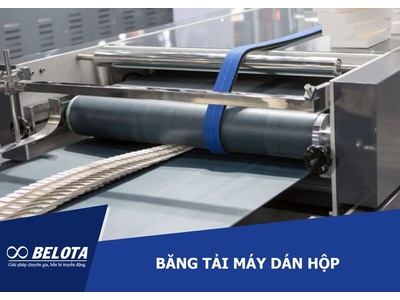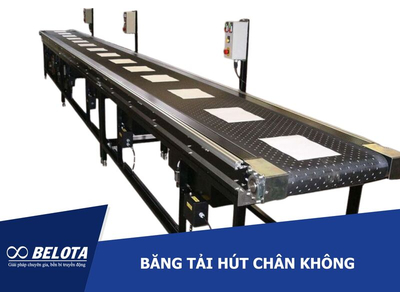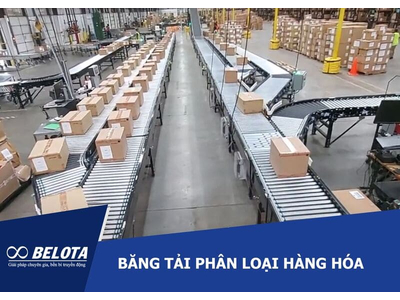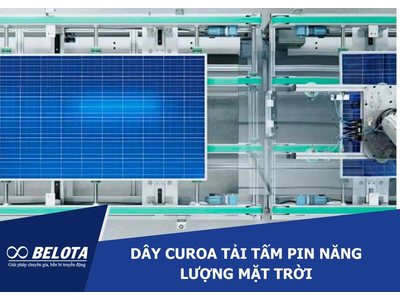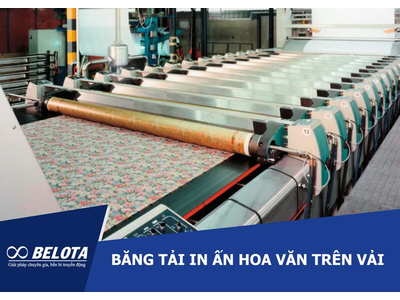
Battery manufacturing requires conveyor systems that operate continuously, reliably, and safely throughout every production stage. Conveyor systems for battery manufacturing help automate the transportation of raw materials, components, and finished products, reducing manual labor and improving productivity. Depending on the load capacity and operating environment of each production stage, manufacturers can select suitable stainless steel chains, plastic chains, felt conveyor belts, and rollers.
Overview of Conveyor Systems for Battery Manufacturing
A battery manufacturing conveyor system is a material handling system designed to transport raw materials, semi-finished products, and completed batteries throughout a factory. The system can operate independently or connect directly with machinery, robots, and other automation equipment.
In lead-acid battery production lines, conveyors can be used in areas for transporting battery plates, assembling electrode plates, casing, inspection, and packaging. Meanwhile, lithium-ion battery manufacturing often requires conveyor systems for transporting battery cells, modules, and product trays, with high requirements for precision, controlled movement, and impact prevention.
Depending on the production process, different conveyor types can be used, including stainless steel chain conveyors, plastic chain conveyors, modular belt conveyors, felt conveyor belts, timing belts, and roller conveyors.
Why Are Conveyor Systems Necessary in Battery Manufacturing?
During production, manually transporting products between stages not only increases labor costs but also extends waiting times, raises the risk of impact damage, and affects overall production efficiency. Specialized conveyor systems help address these issues through the following benefits:
- Increased production efficiency: Continuous transportation between production stages reduces transfer time and minimizes bottlenecks along the production line.
- Reduced manual labor: Minimizes manual handling, lifting, and moving of heavy batteries, reducing physical strain on workers.
- Improved product safety: Suitable conveying surfaces and guiding systems help prevent shaking, slipping, and impacts that could damage products.
- Optimized factory space: Straight, curved, inclined, or multi-level conveyor layouts can be designed to suit the available production floor space.
- Easy automation integration: Connects with assembly machines, inspection equipment, robotic pick-and-place systems, and packaging lines.
- Reduced operating costs: Selecting the right conveyor belts, chains, and drive components helps extend equipment service life and reduce downtime for repairs.
Types of Specialized Conveyors Used in Battery Manufacturing
Depending on product characteristics and production requirements, factories can use various conveyor types. Stainless steel chains, plastic chains, felt conveyor belts, and timing belts are among the components used in industrial material handling systems.
Stainless Steel Chain Conveyors
Stainless steel chain conveyors use interlinked stainless steel chain components combined with drive sprockets to transport products. Their robust construction makes them suitable for applications requiring load capacity and continuous operation. In battery manufacturing lines, stainless steel chains can be used in product transfer areas, tray handling systems, and the transportation of relatively heavy components.
Some stainless steel chain models to consider include:
- SS812 stainless steel chain: Suitable for industrial chain conveyor systems requiring robust construction and stable material handling.
- SS815 stainless steel chain
- SS802 stainless steel chain
The advantages of stainless steel chains include good mechanical strength, corrosion resistance in many operating conditions, and easy cleaning. However, in environments involving direct contact with sulfuric acid or specialized chemicals used in battery manufacturing, the stainless steel grade and material must be selected after evaluating the chemical concentration, temperature, and exposure duration.
Plastic Chain Conveyors 820-K400, 820-K450, and Other Models
Plastic chain conveyors use interconnected polymer modules to form a continuous conveying surface. Their lightweight construction, relatively quiet operation, and resistance to corrosion in many chemical environments make them suitable for assembly and product transfer lines.
The 820-K400 plastic chain is one option for industrial conveyor systems, provided that its dimensions and construction meet the equipment requirements.
Key advantages include:
- Lightweight construction, reducing the load on the drive system.
- Relatively quiet operation with reduced noise.
- Easy-to-clean plastic surfaces that do not rust.
- Compatibility with corresponding sprockets and guide systems.
- Suitable for production lines handling products with appropriate dimensions and load capacities.
In battery manufacturing, plastic chains can be used to transport battery casings, component trays, or products during assembly and packaging. Plastic materials such as POM, PP, or other suitable polymers should be selected according to actual temperature and chemical exposure conditions.
Grey Felt Conveyor Belts
Grey felt conveyor belts feature a soft surface with relatively good friction properties, allowing gentle contact with products. They are suitable for production stages where scratch prevention, impact reduction, or surface protection is required.
In battery manufacturing lines, grey felt belts can be used to transfer components, transport products with surfaces that require protection, or integrate with feeding and sorting equipment.
Key advantages of grey felt conveyor belts include:
- Soft surfaces that help prevent product scratches.
- Good friction properties to keep products stable during transportation.
- Smooth operation with reduced noise.
- Customizable width and length to meet specific requirements.
- Suitable for conveyor systems requiring gentle product contact.
When selecting a felt conveyor belt, it is important to determine the operating temperature, load capacity, speed, and potential exposure to oil, grease, or chemicals to ensure the correct material construction is selected.
Hongs Belt 100B-HD Modular Plastic Conveyor Belt
The Hongs Belt 100B-HD modular plastic conveyor belt features an interlocking modular design with a robust construction for stable operation in industrial production lines. It can be used to transport trays, components, and product assemblies in battery manufacturing plants.
Its modular design allows individual sections to be easily removed and replaced during maintenance. It also facilitates integration with curved conveyor systems and directional transfer lines.
PVC Conveyor Belts - 2 mm, 3 mm, and 5 mm
PVC conveyor belts are commonly used in various transportation and assembly processes in battery manufacturing plants. Their surfaces provide suitable friction for conveying battery casings, components, and products with light to medium loads.
Key advantages of PVC conveyor belts include easy customization, smooth operation, reasonable costs, and convenient replacement during maintenance.
Roller Conveyors
Roller conveyors use a series of rollers mounted on a supporting frame to transport products. Depending on the design, they can operate by gravity or through a motor-driven system.
In battery manufacturing plants, roller conveyors are commonly used in inspection, sorting, transfer, and finished battery packaging areas.
Their advantages include simple construction, good load-bearing capacity, and convenient integration with pallet handling systems or packaging lines.
Drive and Conveying Belts
Timing belts and other power transmission belts are used in machinery drive systems, feeding conveyors, and automation equipment in battery manufacturing plants. In addition to timing belts and V-belts, certain PU belt types can also be used for power transmission and product conveying, depending on the machine design.
Applications of Conveyor Systems in Battery Manufacturing Processes
Depending on the manufacturing technology, conveyor systems are installed at various locations throughout the factory.
- Raw material and electrode plate transportation: Moves electrode plates, storage trays, and semi-finished products between processing areas.
- Assembly operations: Supplies battery casings, electrode plates, and components to assembly stations in the correct production sequence.
- Charging and inspection processes: Transports products or trays between charging, testing, and sorting stations.
- Finishing processes: Moves batteries through cleaning, labeling, and visual inspection areas.
- Packaging processes: Transfers finished products to carton packing, palletizing, and storage areas.
For lithium-ion battery production lines, conveyor systems can also be designed to transport battery cells, modules, and battery packs between assembly, inspection, and packaging stages. Requirements for positioning accuracy, electrostatic discharge (ESD) protection, and operational safety should be considered according to the characteristics of each process.
Requirements for Selecting Conveyor Systems for Battery Manufacturing
- Material selection: Choose materials suitable for exposure to chemicals, acids, and operating temperatures.
- Load capacity: Determine the required capacity based on the weight and dimensions of the products being transported.
- Conveyor speed: Ensure that conveyor operation is synchronized with other production stages.
- Safety requirements: Equip systems with sensors, emergency stop buttons, and protective guards.
- Supplier selection: Prioritize suppliers with experience in consulting and providing customized conveyor solutions.
Supplier of Conveyor Belts and Industrial Components for Battery Manufacturing
In battery manufacturing, selecting the right conveyor systems and power transmission components helps ensure continuous production, minimize equipment failures, and optimize maintenance costs.
Belota supplies conveyor belts, industrial chains, and timing belts for material handling and power transmission applications in manufacturing plants. Its product range supports various requirements of battery production lines, including:
- Stainless steel chains: SS812, K750, SS815, SS802, and other models.
- Plastic chains: 820-K400, 820-K450.
- Grey felt conveyor belts.
- Drive and conveying belts: T5, T10, AT10, ATG10, ATK10, and other profiles.
- Roller conveyors and customized industrial components.
Depending on machine construction and operating conditions, manufacturers can select products with suitable dimensions, materials, load capacities, and resistance to the working environment.
With a focus on providing industrial conveying and power transmission solutions, Belota aims to help customers select suitable products, ensure compatibility with existing systems, and improve production efficiency.
Conclusion
Conveyor systems for battery manufacturing play an important role in factory automation by enabling fast and stable transportation of raw materials and finished products between production stages. Depending on load capacity, operating environments, and product characteristics, manufacturers can choose stainless steel chains, plastic chains, grey felt conveyor belts, timing belts, or roller conveyors.
Selecting the right conveyor systems and components not only improves productivity but also helps reduce machine downtime and maintenance costs. Belota supplies a wide range of conveyor products and industrial components to support material handling requirements in battery manufacturing lines.