In the aluminum extrusion industry, heat-resistant felt conveyor belts play a critical role in transporting, cooling, and protecting aluminum profiles after the extrusion process. With the ability to withstand temperatures up to 600°C, seamless endless construction, and specialized materials such as PBO, Kevlar, Nomex, and Polyester, these conveyor belts help optimize extrusion line efficiency, reduce surface defects, and improve final product quality.
What is an Aluminum Extrusion Conveyor Belt?
An aluminum extrusion conveyor belt is a specialized belt used in extrusion lines to transport aluminum profiles after they exit the die. Made from heat-resistant felt materials, it protects the aluminum surface from scratches and ensures high-quality output.
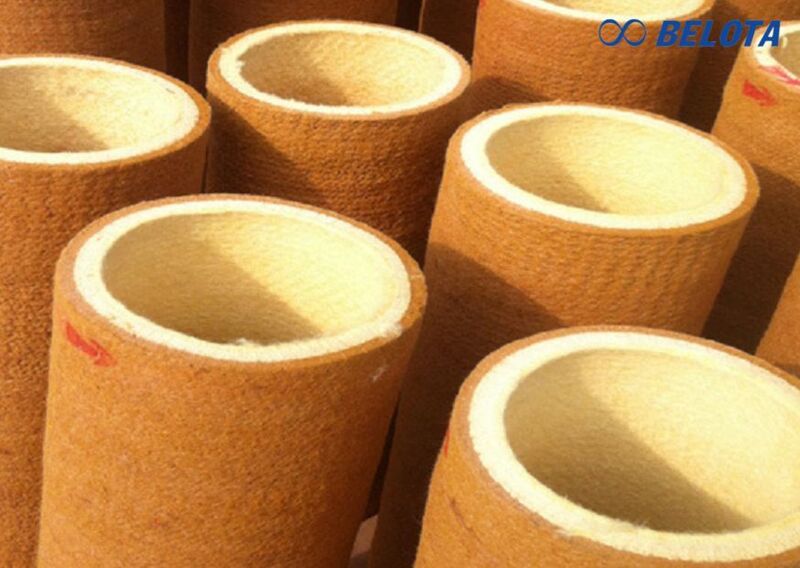
In practice, these belts are installed at key positions such as:
- Runout table
- Cooling table
- Handling table
- Stretcher
- Saw table
After billets are heated (~450–500°C) and extruded, hot aluminum profiles pass through the felt conveyor system to:
- Gradually cool down (cooling process)
- Stabilize profile shape
- Prevent surface scratches
- Prepare for downstream processes such as stretching, cutting, anodizing, and powder coating
Structure of Heat-Resistant Felt Conveyor Belts
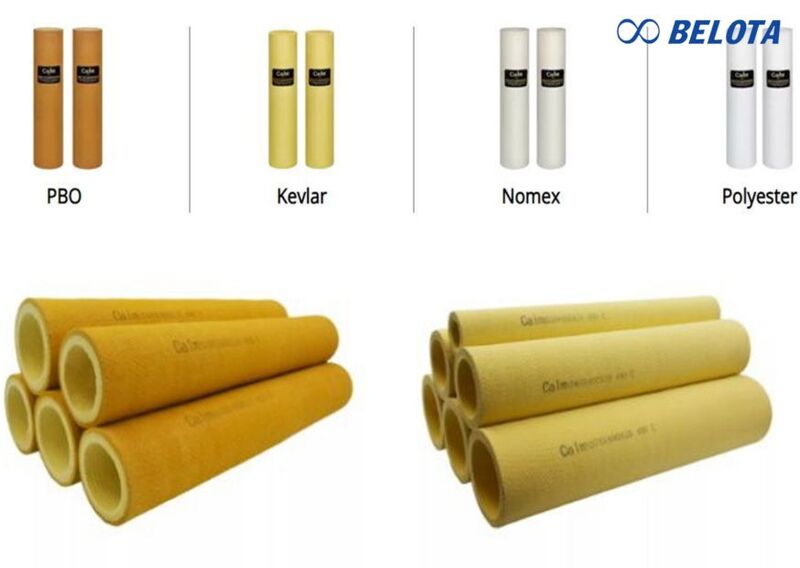
Heat-Resistant Layer
Made from specialized fibers:
- PBO (Polybenzoxazole): Ultra-high temperature resistance
- Kevlar (Para-Aramid): Heat and abrasion resistance
- Nomex (Meta-Aramid): Medium temperature stability
- Polyester: Used in lower temperature zones
Reinforcement Layer
- Enhances load-bearing capacity
- Prevents belt elongation during continuous operation
Manufacturing Technology
- Needle-punched fiber bonding
- Seamless endless construction
This is a critical factor in extrusion, as it prevents marks on aluminum surfaces and ensures smooth, stable transport.
Classification by Temperature Zones
In a standard extrusion line, temperature decreases along the process. Each zone requires a specific type of belt:
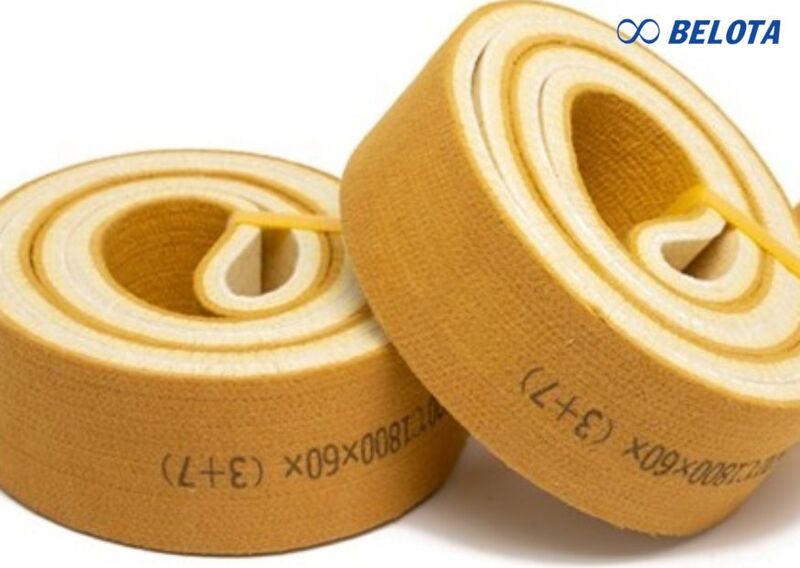
PBO + Kevlar Belt – High Temperature Zone
- Structure: 3mm PBO + 7mm Kevlar
- Temperature:
- Short-term: up to 600°C
- Continuous: up to 550°C
Applications:
- Immediately after the extrusion die
- Initial runout table
- High-capacity presses (>2000T)
Features:
- Excellent thermal shock resistance
- No fiber burning when contacting hot profiles
- Suitable for large and complex aluminum shapes
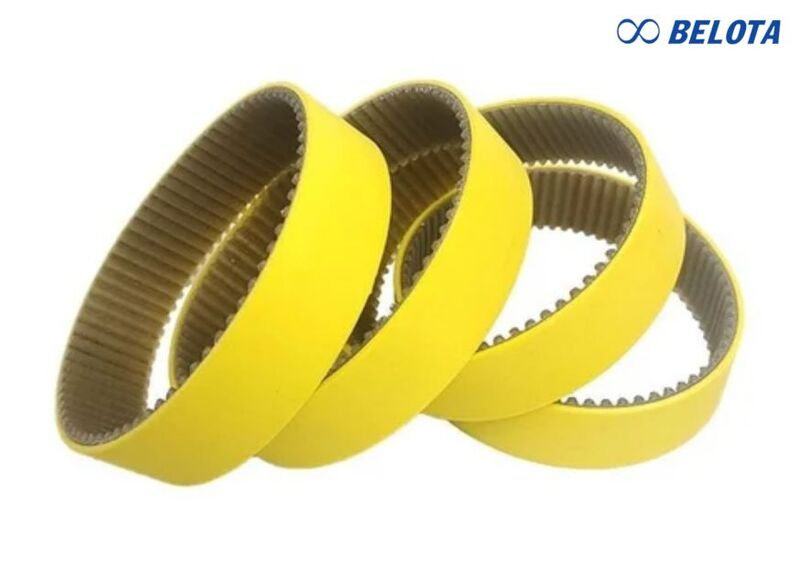
Kevlar Belt – Primary Cooling Zone
- Material: 100% Kevlar
- Temperature:
- Short-term: 480°C
- Continuous: 200°C
Applications:
- First and second cooling tables
- Handling/transfer tables
Advantages:
- Superior abrasion resistance
- Non-stick surface
- Maintains stable extrusion speed
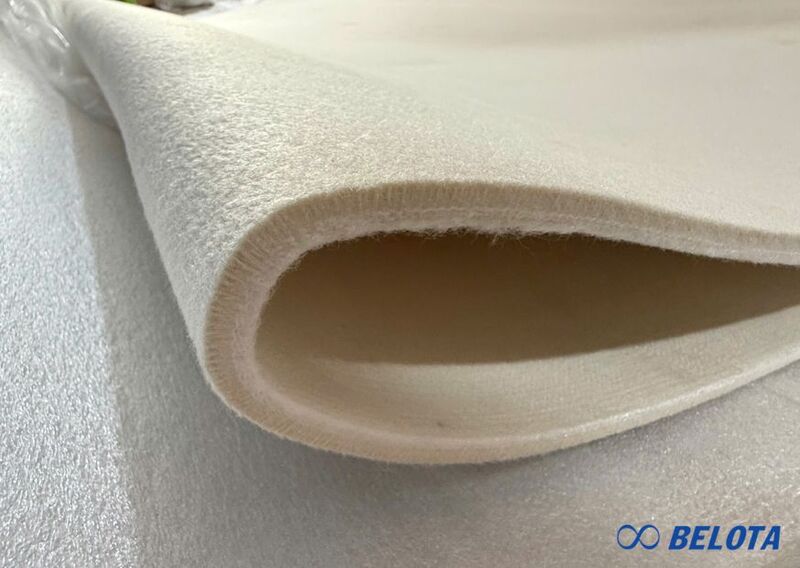
Nomex Belt – Medium Temperature Zone
Operating temperature: ~280°C
Applications:
- After stretcher
- Output tables
- Pre-cutting transfer
Features:
- Good thermal stability
- Cost-effective
- Suitable for most standard extrusion lines
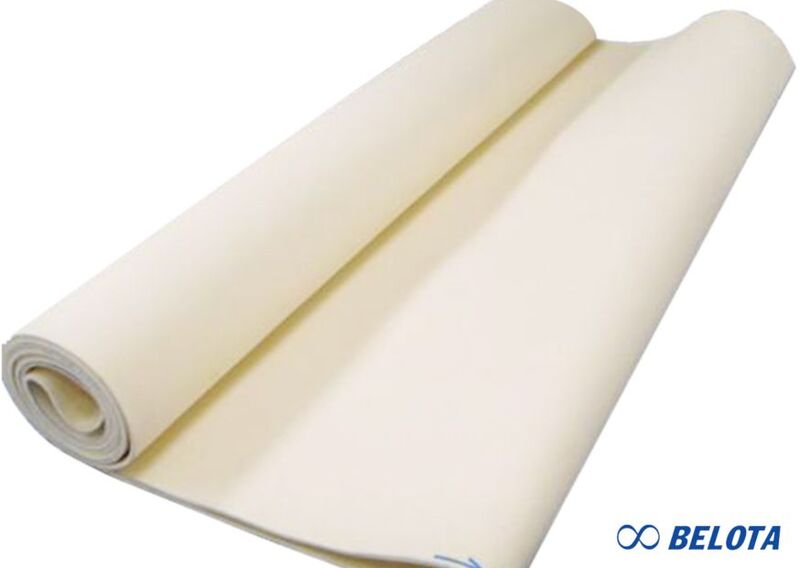
Polyester Belt – Low Temperature Zone
Operating temperature: ~180°C
Applications:
- Saw table
- Storage/stacking areas
- Anodizing and powder coating lines
Advantages:
- Low cost
- Easy replacement
- Ideal for final stages
Key Technical Advantages
- Ultra-smooth surface: Protects aluminum profiles from scratches
- No fiber shedding: Ensures clean production
- No delamination: Maintains structural integrity
- No surface marks: Critical for anodized, coated, and polished aluminum
- Seamless endless construction:
- Eliminates weak points
- Reduces vibration at high speed
- Extends belt lifespan
- High heat and wear resistance:
- Stable operation in continuous high-temperature environments
- Withstands friction from hot aluminum profiles
- Contamination-free:
- 100% pure fibers
- No dust adhesion or aluminum sticking
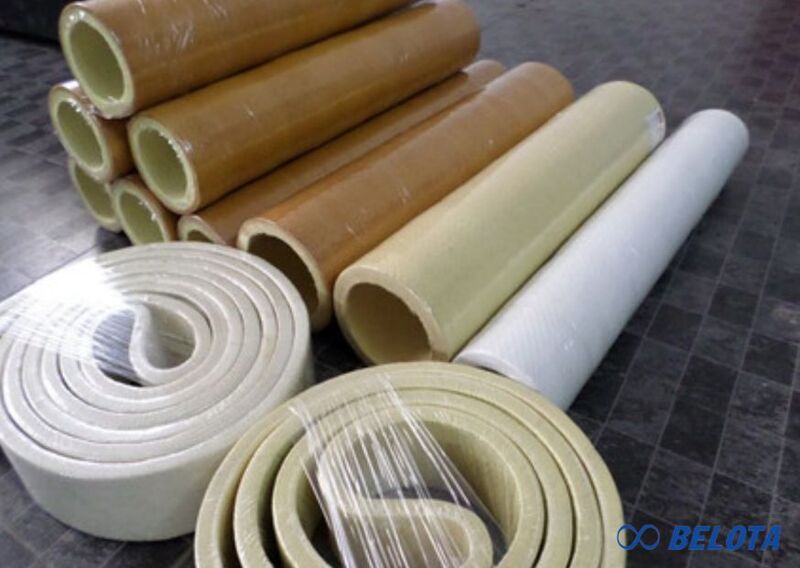
Standard Technical Specifications
- Type: Felt Conveyor Belt
- Technology: Needle-punched
- Density: 430 – 450 g/m²/mm
- Width: 60 – 100 mm
- Length: 1.8 – 40 m
- Load capacity: < 2000T
- Customization: Available based on specific machines and requirements
Role in Optimizing Extrusion Lines
Selecting the right belt for each stage helps:
- Reduce surface defects
- Extend die lifespan
- Stabilize extrusion speed
- Minimize downtime and maintenance costs
- Improve overall product quality
Trusted Supplier – Belota
Belota specializes in supplying heat-resistant felt conveyor belts for the aluminum industry, offering complete and optimized solutions for extrusion lines:
- Wide material range: PBO, Kevlar, Nomex, Polyester
- Application-based consultation: Runout, Cooling, Stretcher, Saw
- Custom manufacturing: Tailored to each extrusion line
- On-site technical support: Fast installation and replacement
- Belota delivers not just products, but comprehensive technical solutions to enhance performance and extend system lifespan.
Conclusion
Aluminum extrusion conveyor belts are essential components in modern extrusion lines. Choosing the right belt for each temperature zone not only protects aluminum surfaces but also optimizes production efficiency, reduces operating costs, and enhances product quality.