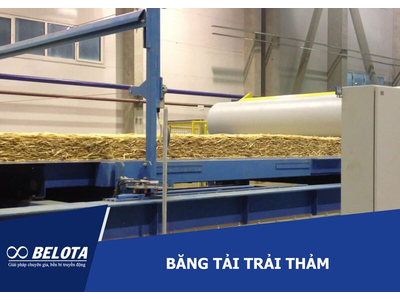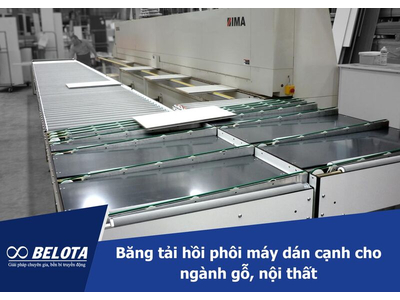
The woodworking and furniture manufacturing industry is increasingly adopting automation to improve productivity, reduce labor costs, and optimize production processes. In this system, wood industry conveyors play an important role in transporting logs, wood chips, panels, and finished products between production stages.
From log handling, debarking, wood chipping, MDF/HDF production to PVC lamination and packaging, each process requires specialized conveyor systems suitable for different materials and working environments.
The Role of Conveyors in the Wood Industry
Wood industry conveyor systems help automate production lines, reduce manual labor, improve transportation efficiency, and maintain continuous operation in factories.
Conveyors are widely used in MDF, HDF, plywood, particle board, and furniture production plants for:
- Log feeding
- Wood chip transportation
- Material feeding for hot presses
- Finished product transfer and packaging
These systems are designed with:
- Heavy-duty structures
- High load capacity
- Wear resistance
- Stable operation in dusty environments
Common Types of Wood Industry Conveyors
- Log Chain Conveyor: Used for transporting logs into sawmills or debarking machines. The system is durable, heavy-duty, and suitable for large wood processing plants.
- Bark Conveyor: Chevron or troughed conveyors transport bark after debarking, helping reduce material spillage and maintain continuous operation.
- Timber Feeding Conveyor: Rough-top and patterned belts are used for feeding wood into cutting and sanding machines with excellent grip and stable movement.
- Troughed Belt Conveyor for Wood Chips: Commonly used in MDF and HDF production lines for transporting wood chips, sawdust, and wood powder in large volumes.
- Wood Grinder Feeding Conveyor: Transfers wood chips into grinding systems while ensuring stable and continuous material feeding.
- Veneer and Wood Drying Conveyor: Heat-resistant Teflon or stainless-steel mesh conveyors are used in drying chambers for veneer and wood boards.
- MDF & HDF Production Conveyors: Rubber conveyors, screw conveyors, and heat-resistant belts are used to transport fibers, powder, and pressed boards.
- Forming Belt Conveyor: Used in PB, MDF, HDF, and OSB production lines with anti-static and wear-resistant surfaces.
- ZipLink® Conveyor Belt: Designed for woodworking factories requiring quick belt replacement and high wear resistance.
- Plywood Conveyor System: Roller, PVC, and chain conveyors are used for veneer transfer, hot press feeding, and automatic return systems.
- PVC Lamination & Veneer Press Conveyor: Widely used in furniture manufacturing for PVC coating, veneer pressing, and acrylic lamination.
- Finished Product & Packaging Conveyor: Roller and inclined conveyors help transport finished boards and support palletizing and packaging processes.
Automation Trends in the Wood Industry
Modern woodworking factories are moving toward smart automation systems with:
- Anti-static conveyors (ATEX)
- Heat-resistant conveyor systems
- Quick-replacement ZipLink® belts
- Smart conveyors with integrated sensors
These technologies help improve productivity, reduce downtime, and optimize factory operations.
Conclusion
Wood industry conveyor systems are essential components in modern woodworking production lines. Choosing the right conveyor solution helps businesses improve productivity, reduce maintenance costs, minimize downtime, and enhance product quality while supporting long-term automation and sustainable growth.